Categories
Uncategorized

How We Maintain Competitive Prices for Bulk Orders

How We Maintain Competitive Prices for Bulk Orders
At the heart of our business is a commitment to providing customers with the best value, especially when it comes to bulk orders. In today’s fast-paced market, finding a supplier that offers both high-quality products and competitive pricing can be a challenge. However, we believe that maintaining affordable prices doesn’t have to mean sacrificing quality. Here’s how we consistently keep our prices competitive without cutting corners.
Our first and most important strategy is our strong relationships with suppliers. Over the years, we’ve built a network of trusted suppliers who share our commitment to quality and value. By negotiating long-term partnerships and bulk purchase agreements, we’re able to secure products at lower prices. These savings are passed directly to our customers. Instead of acting as a middleman, we work directly with manufacturers, which cuts down on extra costs and ensures that we can offer you the best possible price on large orders.
Efficiency is another key factor in how we maintain our competitive pricing. We continuously optimize our supply chain and production processes to reduce waste and improve productivity. Whether it’s through streamlining inventory management, using advanced software to track demand, or improving shipping logistics, we are always looking for ways to cut costs without sacrificing the quality or reliability of our service. This constant drive for efficiency means we can keep prices lower while maintaining the same high standards of product and customer service that our clients expect.
We also understand the importance of flexibility. Bulk orders can vary greatly in size, timing, and specific requirements, which means a one-size-fits-all approach to pricing just doesn’t work. We offer personalized quotes and customized pricing based on the unique needs of each customer. Our team works closely with clients to understand their purchasing goals and can adjust terms to suit their budget, whether they need a one-time order or are setting up a recurring supply agreement. This flexibility not only ensures competitive pricing but also strengthens our relationships with clients by providing tailored solutions.
In addition to the operational side, we leverage technology to keep our prices in check. By investing in the latest tools and software, we gain real-time insights into market trends and fluctuations in raw material prices. This data allows us to adjust our pricing strategies accordingly, ensuring that we’re always offering fair and competitive rates, even when the market is volatile. Our investment in technology also helps us stay ahead of the curve, anticipating changes in demand or potential supply chain disruptions that could impact prices.
How We Maintain Competitive Prices for Bulk Orders
One of the most important aspects of keeping our prices competitive is our volume-based discount structure. The more you order, the better the price we can offer. This is a win-win situation for both parties: you save money with bulk orders, and we benefit from higher order volumes, which allows us to negotiate even better rates with our suppliers. For our regular customers, we offer loyalty programs and exclusive discounts that further enhance the value of ordering in bulk. This helps businesses and organizations of all sizes save more and stretch their budgets further.
Our commitment to competitive pricing is not just about numbers—it’s about building long-term partnerships with our clients. We understand that businesses need reliable, cost-effective solutions to thrive, and we work tirelessly to ensure that we are always offering the best possible prices for bulk orders. Our customers know that when they choose us, they are getting not only great products but also exceptional value and service.
Of course, we never compromise on quality to achieve low prices. Each product we sell goes through a rigorous quality control process, ensuring that it meets our high standards. We understand that when you purchase in bulk, you expect consistency and reliability, and we pride ourselves on delivering that, every time. Maintaining quality while keeping costs low requires careful planning and attention to detail, and it’s something we take seriously.
How We Maintain Competitive Prices for Bulk Orders
Ultimately, our goal is to create lasting relationships with our clients by providing outstanding value through competitive pricing. Whether you’re looking to place a small order or a large one, you can rest assured that we are always working behind the scenes to offer you the best possible prices without compromising on quality or service. It’s this dedication to excellence and value that has earned us the trust of businesses across a variety of industries, and we look forward to continuing to serve you with the same commitment to competitive pricing and exceptional customer care.

How We Maintain Competitive Prices for Bulk Orders

Categories
Uncategorized

Achieving Precise Polishing for Architectural Stone Details

Achieving Precise Polishing for Architectural Stone Details
In the world of architecture, the beauty of stone is timeless. From grand facades to intricate details, stone has been a symbol of strength and elegance for centuries. But to achieve the perfect finish that highlights its natural beauty and craftsmanship, precise polishing is essential. Whether it’s a sleek modern design or a classical masterpiece, the art of stone polishing plays a crucial role in elevating the overall aesthetic and longevity of architectural features. So, what makes a perfect stone polish, and how do architects and craftsmen achieve such a high level of precision?
First, it’s important to understand that stone, in its raw form, is rarely suited for the refined beauty that we often associate with polished surfaces. Granite, marble, limestone, and other types of stone may have the inherent qualities to shine, but to reveal their true luster, a detailed polishing process is necessary. A polished stone surface can showcase its rich texture, depth of color, and intricate veins, adding a touch of sophistication to any building or interior.

Achieving Precise Polishing for Architectural Stone Details
But achieving precision in polishing requires more than just the right tools—it demands skill, experience, and an understanding of the stone’s unique properties. The natural variations in texture, color, and hardness of different stones can make the polishing process more challenging than it appears. For example, marble, with its soft surface, requires careful handling to avoid scratches, while granite, being much harder, demands specialized equipment and techniques to achieve a smooth, reflective finish. Each type of stone requires a tailored approach to bring out the best in its appearance.
Achieving Precise Polishing for Architectural Stone Details
One of the most critical aspects of stone polishing is selecting the right abrasives and polishing compounds. In the early stages, coarse abrasives are used to remove any rough edges, imperfections, or stains on the stone’s surface. As the process progresses, finer abrasives are introduced to smooth the surface further, gradually bringing out the stone’s inherent gloss. Polishing compounds, often in the form of powders or pastes, are then applied to enhance the stone’s sheen. This step is where the true magic happens—when the stone transforms from a dull, unpolished state into a shining, mirror-like surface.
The process is not only about achieving aesthetic beauty but also about functionality. A finely polished stone surface resists dirt, moisture, and other environmental factors that can cause damage over time. This durability ensures that the stone maintains its visual appeal and structural integrity for years to come. In high-traffic areas, such as public buildings or commercial spaces, precision polishing is especially important, as the stone needs to withstand constant wear while retaining its pristine appearance.
In recent years, advancements in technology have significantly improved the precision of stone polishing. Automated machinery, for example, allows for more consistent results across large surfaces, and laser-guided equipment ensures an even finish, even on intricate details. However, while technology has enhanced the speed and efficiency of the process, human craftsmanship remains at the core of achieving the perfect finish. Skilled artisans still play a pivotal role in ensuring the stone is polished to perfection, particularly when dealing with custom or intricate architectural details.
When it comes to architectural stone details—whether it’s a carved column, a decorative arch, or a finely detailed mosaic—the precision of polishing is even more crucial. These elements require meticulous attention to detail, as they often involve complex shapes and intricate designs. The polishing process needs to be carried out in a way that enhances the sculptural aspects of the stone while maintaining the integrity of the design. The polishing must highlight the unique features of the stone without overpowering the craftsmanship or losing the texture that makes each piece distinct.
The use of precise polishing extends beyond the aesthetics of the stone. It plays a vital role in preserving the stone for generations. Stone, being a natural material, is susceptible to weathering, discoloration, and erosion over time. A well-polished surface acts as a protective barrier, shielding the stone from the elements and reducing the wear and tear that can result from exposure to sunlight, moisture, or pollutants.
Achieving Precise Polishing for Architectural Stone Details
Architectural stone details often become the focal points of a building or space, drawing the eyes of visitors and leaving a lasting impression. When polished with precision, these details not only serve as decorative elements but also as testaments to the skill and dedication of the craftsmen who worked on them. The beauty of architectural stone polishing lies not only in its visual appeal but in the timelessness it imparts to the structure, transforming simple stone into a work of art that will be admired for years, if not centuries.
As the demand for custom and intricate stonework continues to rise in the field of architecture, the art of precise polishing will only grow in importance. It’s a process that combines tradition with innovation, allowing for the creation of architectural masterpieces that stand the test of time. The next time you admire a stunning stone detail on a building, remember that it’s not just the design that makes it exceptional—it’s the craftsmanship and precision of the polishing process that brings it to life.

Categories
Uncategorized

Why Flexible Diamond Polishing Pads Are Preferred in Stone Polishing

Why Flexible Diamond Polishing Pads Are Preferred in Stone Polishing
When it comes to achieving a perfect, mirror-like finish on stone surfaces, flexibility is key. Flexible diamond polishing pads have quickly become the preferred choice for stone polishing due to their unique properties that make them stand out from traditional polishing options. These pads offer exceptional performance, versatility, and long-lasting results, making them a must-have tool in the stone industry.

Why Flexible Diamond Polishing Pads Are Preferred in Stone Polishing
One of the main reasons flexible diamond polishing pads are favored is their ability to conform to the contours of different stone surfaces. Stones come in a variety of shapes and textures, and a rigid pad often struggles to adapt to these variations. In contrast, the flexibility of diamond polishing pads ensures that they can smoothly follow the stone’s natural contours, resulting in an even and consistent finish without leaving any unsightly marks or uneven spots. This adaptability is especially valuable when working with intricate designs or uneven surfaces.
Another key advantage of flexible diamond polishing pads is their superior cutting ability. These pads are embedded with diamond particles, which are renowned for their hardness and durability. The diamond grit efficiently grinds away imperfections on stone surfaces, helping to restore and enhance their natural beauty. The flexibility of the pad ensures that the diamonds maintain contact with the surface at all times, delivering optimal results without unnecessary wear on the stone.
Why Flexible Diamond Polishing Pads Are Preferred in Stone Polishing
Durability and longevity are also crucial factors when choosing polishing pads, and flexible diamond pads excel in this area. Their robust design allows them to withstand the high pressures and rigorous conditions typically encountered in stone polishing processes. Unlike traditional pads that may degrade quickly under heavy use, these flexible pads are built to last, providing consistent performance over time and offering great value for money.
Beyond performance, flexible diamond polishing pads offer greater convenience for the user. Their lightweight nature and ease of use make them ideal for both professional stone finishers and DIY enthusiasts alike. Whether polishing granite, marble, or concrete, these pads provide an efficient, user-friendly solution that reduces fatigue and increases productivity.
The versatility of flexible diamond polishing pads extends to various polishing methods as well. Whether used wet or dry, these pads deliver exceptional results. Their ability to work in different environments adds to their appeal, ensuring they are effective in a variety of stone polishing applications.
For stone professionals looking to achieve smooth, high-quality finishes while maximizing efficiency and minimizing time spent on each project, flexible diamond polishing pads are the ultimate tool. Their combination of adaptability, cutting power, durability, and convenience makes them an essential investment for anyone working with stone surfaces.

Why Flexible Diamond Polishing Pads Are Preferred in Stone Polishing

Categories
Uncategorized

New Buffing Pads for High-Gloss Stone Polishing

New Buffing Pads for High-Gloss Stone Polishing
Achieving a mirror-like shine on stone surfaces, whether granite, marble, or concrete, has always been a challenge for professionals and DIY enthusiasts alike. The secret to that perfect finish lies in the tools you use, particularly the buffing pads. With the introduction of new buffing pads specifically designed for high-gloss stone polishing, achieving a flawless, brilliant shine has never been easier or more efficient.
Stone polishing, particularly for high-gloss finishes, requires precision. It’s not just about making the stone look shiny; it’s about enhancing its natural beauty, depth, and texture. The right buffing pad can make all the difference in creating a finish that truly stands out. Traditional buffing methods sometimes leave streaks, haze, or uneven gloss, which can be frustrating for professionals who demand perfection. But the latest generation of buffing pads promises to eliminate these issues and deliver exceptional results every time.

New Buffing Pads for High-Gloss Stone Polishing
These new pads are crafted with advanced materials designed to achieve superior performance. Unlike older, more abrasive pads that could wear down quickly or cause damage to the stone surface, the new buffing pads use softer, more durable materials. This helps to preserve the integrity of the stone while still providing a high level of polishing power. The innovative design features a unique combination of foam layers and micro-abrasive particles, enabling a more even and consistent gloss without compromising the stone’s quality.
One of the key advantages of these pads is their versatility. While many traditional pads were suited to a specific type of stone or surface, modern buffing pads can be used across a range of materials, from polished marble to rougher granite surfaces. They’re optimized for different polishing stages, meaning they can be used in everything from light surface refinement to deep, high-gloss finishing. The ability to switch between different pads and work at different stages of polishing makes them ideal for both professional use and DIY projects at home.
The new buffing pads also introduce a level of efficiency that previous models lacked. With improved pad technology, users can achieve a high-gloss finish in less time, reducing the need for multiple passes. This is especially beneficial for large-scale projects or commercial applications where time and labor costs are significant considerations. The design also minimizes heat buildup, reducing the risk of damaging sensitive stone surfaces due to overheating.
New Buffing Pads for High-Gloss Stone Polishing
For those concerned about environmental impact, the latest buffing pads are also designed with sustainability in mind. Many of the pads are made from recyclable materials and are engineered to last longer than their predecessors, making them a more eco-friendly option for polishing professionals. These longer-lasting pads reduce waste and the need for frequent replacements, aligning with broader industry trends towards more sustainable practices.
Another important feature is their compatibility with a wide range of polishing machines. Whether you’re using a handheld polisher for smaller projects or a heavy-duty floor machine for large commercial spaces, these new pads are designed to fit seamlessly with a variety of tools. The secure attachment system ensures that the pad stays in place during use, allowing for smooth operation and consistent results.
The science behind these new pads isn’t just about material innovation but also about ergonomics. Professionals who spend hours polishing stone surfaces will appreciate the thoughtful design that reduces user fatigue. The pads are lightweight, easy to handle, and flexible enough to contour to different surface shapes, ensuring an even application of pressure for the best results.
In addition to all these technical advancements, users of the new buffing pads have reported significant improvements in the final look of their stone surfaces. The finish is not only highly reflective but also smoother to the touch, with a depth that makes the stone’s natural colors pop. Whether you’re polishing a countertop, floor, or decorative stone feature, the results are nothing short of spectacular.
For anyone in the stone care industry, or anyone who simply wants to improve the look of their stone surfaces at home, these new buffing pads are a game changer. The combination of advanced materials, efficient design, and sustainable manufacturing practices makes them a must-have tool for achieving high-gloss finishes quickly and easily. As technology in stone care continues to evolve, these buffing pads stand at the forefront, offering a glimpse into the future of stone polishing.
In conclusion, if you’re looking to take your stone polishing game to the next level, investing in these new high-gloss buffing pads is a step in the right direction. With superior results, enhanced efficiency, and a smoother, more durable finish, these pads offer everything you need to make your stone surfaces shine like never before. Whether you’re a professional in need of reliable tools or a DIY enthusiast seeking a flawless finish, these innovative buffing pads will help you achieve the perfect high-gloss polish with ease.

New Buffing Pads for High-Gloss Stone Polishing

Categories
Uncategorized

Premium Diamond Pads for Professional Stone Fabrication

Premium Diamond Pads for Professional Stone Fabrication
When it comes to the meticulous art of stone fabrication, achieving a flawless finish is non-negotiable. Whether you’re working with marble, granite, or quartz, every detail matters. That’s where premium diamond pads come into play, revolutionizing the way professionals approach stone polishing and finishing. These high-quality tools aren’t just a luxury—they are an essential component for anyone striving for excellence in stonework.

Premium Diamond Pads for Professional Stone Fabrication
The main advantage of diamond pads is their unparalleled durability. Unlike traditional abrasive pads, which wear down quickly and lose effectiveness, diamond pads are designed to last much longer. The use of industrial-grade diamond abrasives means they can handle even the toughest stone surfaces, giving fabricators the reliability they need on every job. This longevity is particularly important in commercial settings where productivity is key, and downtime for tool replacement can be costly.
Diamond pads excel in their ability to create a smooth, consistent finish, whether you’re polishing countertops, floors, or intricate stone pieces. The diamond grit allows for an even distribution of pressure, ensuring that each pass is uniform and efficient. As a result, fabricators are able to achieve a level of shine and clarity that is difficult to match with other polishing tools. This not only elevates the final appearance of the stone but also enhances the overall quality of the work, making it more desirable to clients.
Another significant benefit of premium diamond pads is their versatility. These pads are available in a wide range of grits, from coarse to ultra-fine, allowing fabricators to choose the perfect pad for every stage of the fabrication process. Whether you’re working on heavy grinding, medium polishing, or fine finishing, there’s a diamond pad suited to each task. The versatility of these pads extends to different types of stone surfaces, making them an ideal choice for diverse projects. From large slabs of granite to delicate marble tiles, diamond pads can tackle various materials with ease.
Premium Diamond Pads for Professional Stone Fabrication
Stone fabricators also appreciate the speed at which diamond pads get the job done. Time is money, and with premium diamond pads, professionals can move through their tasks faster while still achieving exceptional results. The efficiency of these pads comes from their aggressive cutting action, which quickly removes material without sacrificing the quality of the finish. This is particularly advantageous when working on high-volume projects or when dealing with large surfaces that require significant time to complete.
The innovation behind diamond pads has transformed the way stone is worked, making it possible to achieve intricate, high-end results without the need for multiple tools. Rather than switching between different abrasives or using a range of polishing machines, fabricators can use a single set of diamond pads to perform multiple tasks, which simplifies workflow and reduces equipment costs. In addition, the ease of use and minimal maintenance of diamond pads make them a cost-effective investment in the long run.
When selecting diamond pads for stone fabrication, it’s essential to consider the quality of the product. Cheap, low-grade diamond pads may not only wear out quickly but could also leave behind unwanted marks or inconsistencies on the stone surface. Investing in premium pads ensures that fabricators are using the best tools available to achieve flawless results. These high-quality pads often feature better bonding technology, providing superior adhesion of the diamond particles to the backing material, which leads to better performance and extended lifespan.
Premium Diamond Pads for Professional Stone Fabrication
Premium diamond pads are not just about functionality—they also contribute to a safer working environment. The quality construction of these pads reduces the risk of tool slippage and ensures that the work is completed with more control. Given the heavy-duty nature of stone fabrication, safety is always a top concern, and the enhanced grip and stability of high-quality diamond pads can make a noticeable difference in reducing accidents and improving precision.
Furthermore, the cleaner, dust-free polishing provided by premium diamond pads improves both the health of the worker and the cleanliness of the workspace. Traditional abrasive pads can create significant dust clouds, but the superior dust management of diamond pads minimizes these particles, creating a more pleasant environment for fabricators and reducing the need for extensive cleanup.
In the competitive world of stone fabrication, where the quality of work speaks volumes, investing in premium diamond pads is more than just a practical decision—it’s a commitment to craftsmanship. Whether you’re a seasoned professional or just starting out in the industry, using high-quality diamond pads can elevate the precision and beauty of your work, leading to satisfied clients and a solid reputation.
With their durability, efficiency, and exceptional results, premium diamond pads are indispensable tools for any professional stone fabricator who demands the best. By choosing these pads, fabricators can be confident that they are using the finest products available, designed to meet the exacting standards of stone fabrication. The right tools can make all the difference, and when it comes to creating beautiful, polished stone surfaces, diamond pads are the clear choice.

Categories
Uncategorized

Our Most Durable Diamond Polishing Pads for Granite

Our Most Durable Diamond Polishing Pads for Granite

Our Most Durable Diamond Polishing Pads for Granite
When it comes to polishing granite, there’s no room for compromise. Granite surfaces, whether they are countertops, floors, or walls, are heavy-duty and require tools that can stand up to the task. The key to achieving that glossy, mirror-like finish lies in choosing the right polishing pads. Not all diamond polishing pads are created equal. Some wear out after just a few uses, while others can go the distance and maintain their performance for hundreds of jobs. For those who want nothing less than the best, our diamond polishing pads offer the durability and effectiveness that professionals demand.
Granite is a dense, tough material, making it one of the hardest stones to work with. This means that not only do you need powerful tools to smooth and shine it, but also pads that are specifically designed to withstand the abrasion of such a challenging surface. Our diamond polishing pads are engineered with superior materials and a precision design to handle granite like no other pad on the market.
Our Most Durable Diamond Polishing Pads for Granite
What sets our diamond polishing pads apart from the rest? First, the composition. We use high-quality industrial-grade diamonds embedded into a flexible, resilient resin matrix. These diamonds are crucial for achieving an ultra-smooth finish, as they continuously sharpen and refresh themselves throughout the polishing process. Unlike other pads that lose their effectiveness after just a few uses, our pads retain their cutting power for longer, ensuring a consistently high-quality result over time.
Our Most Durable Diamond Polishing Pads for Granite
Another standout feature is the construction of our pads. Granite surfaces require not only strength but also a level of flexibility to conform to the natural contours of the stone. Our pads are designed with this in mind, offering a perfect balance between aggressive cutting and smooth polishing. Whether you’re dealing with rough surfaces that need heavy grinding or finer finishes that require delicate polishing, our pads adapt to the job at hand without sacrificing performance.
Durability is, without a doubt, the most important factor when choosing polishing pads for granite. Our pads are built to last, even under the most demanding conditions. With their robust structure, they provide exceptional wear resistance, meaning they can be used for longer periods of time without degrading. This makes them a fantastic investment for both professionals and DIY enthusiasts alike, as they reduce the need for frequent replacements, saving you time and money.
In addition to durability, efficiency is another key consideration. We understand that time is money, especially when working with commercial or large-scale projects. That’s why our diamond polishing pads are designed to work faster and more efficiently than conventional pads. Thanks to their superior diamond content, these pads cut through granite with ease, reducing the amount of time it takes to achieve a flawless finish. This allows you to take on more projects, improve productivity, and increase profitability—all while maintaining a high standard of quality.
One of the biggest challenges when polishing granite is achieving an even, consistent shine. Some pads tend to leave streaks, swirls, or uneven gloss, making the entire surface look unprofessional. Our pads, however, are engineered to provide a uniform finish, no matter the surface area. Whether you’re polishing a small countertop or an entire floor, you can count on our pads to deliver a consistent, high-gloss shine across the board.
Another advantage of our diamond polishing pads is their versatility. Available in various grit sizes, from coarse to fine, they allow you to tackle a wide range of granite surfaces. Whether you’re starting with a rough, uneven surface or simply maintaining an already polished one, you’ll find the perfect pad for every step of the process. Our pads can also be used with both wet and dry methods, depending on your preferences and the job requirements.
Maintaining your granite surfaces is easy with our pads. After finishing a project, cleaning the pads is simple, and they can be reused time and time again. This is another way we help professionals maximize their investment. The longevity and reliability of our diamond polishing pads mean less downtime for pad replacement and more time focusing on your craft.
Granite may be tough, but so are our diamond polishing pads. Whether you’re a seasoned stone fabricator or a DIY enthusiast looking to enhance your home’s stone surfaces, our pads will exceed your expectations. Designed for durability, efficiency, and precision, they are the perfect tool to bring out the best in your granite countertops, floors, and other surfaces. If you’re serious about granite polishing, invest in the most durable diamond polishing pads on the market today—and let your work shine with the brilliance it deserves.

Categories
Uncategorized

Frequently Asked Questions About Diamond Polishing Pads

Frequently Asked Questions About Diamond Polishing Pads
Diamond polishing pads are a must-have for anyone working with stone, concrete, or any other hard surfaces that need a smooth, glossy finish. Whether you’re a professional stone fabricator or a DIY enthusiast, these pads offer unmatched efficiency and results. However, the world of diamond polishing pads can be a bit overwhelming, with various types, grits, and uses to consider. If you’re new to the game or just looking for some clarification, here are answers to some of the most frequently asked questions about diamond polishing pads.
What Are Diamond Polishing Pads Made Of?
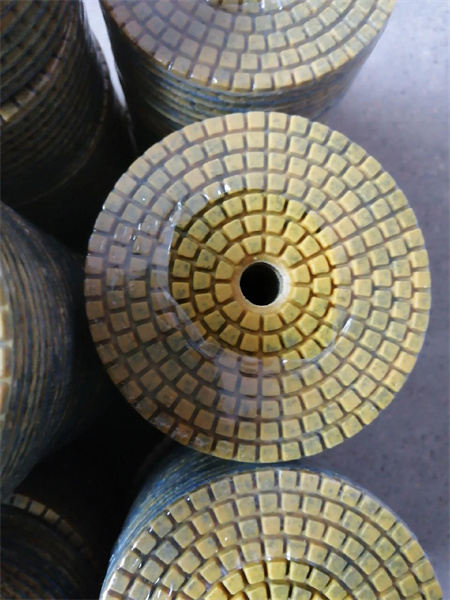
As the name suggests, diamond polishing pads are infused with industrial-grade diamonds. These diamonds are set within a resin matrix, which makes them incredibly durable and effective at grinding and polishing hard materials. The diamonds on the surface of the pad help to slowly remove layers of the material, gradually creating a smoother and more reflective finish. Depending on the quality and concentration of diamonds, the pads can last a long time while providing excellent performance.
How Do Diamond Polishing Pads Work?
Diamond pads work by using the abrasive action of the diamond particles to wear away at the surface of a material. As you move the pad across the surface, the diamonds scrape away microscopic layers, creating a smoother and more even surface. The grit of the pad determines how much material is removed; lower grit pads remove more material quickly, while higher grit pads polish the surface to a finer, glossy finish. This multi-stage process ensures that the surface becomes progressively smoother and shinier.

Frequently Asked Questions About Diamond Polishing Pads
What Types of Surfaces Can Diamond Polishing Pads Be Used On?
Diamond polishing pads are versatile tools that can be used on a wide range of surfaces, including granite, marble, concrete, terrazzo, and quartz. They’re also effective on surfaces like engineered stone and even glass in some cases. However, the key is choosing the right type of pad for the material you’re working with. While some pads are designed specifically for natural stone, others are better suited for harder materials like concrete. Always check the manufacturer’s guidelines to ensure you’re using the correct pad for the job.
What Grits Should I Use for Different Stages of Polishing?
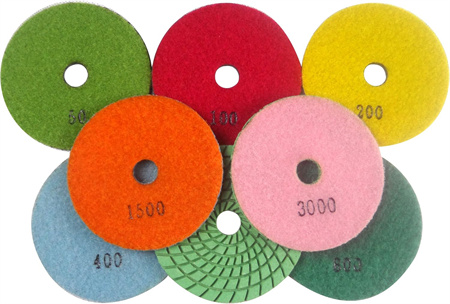
The grit of a diamond polishing pad plays a crucial role in determining the end result. Generally, polishing involves using a range of grits in a gradual process:
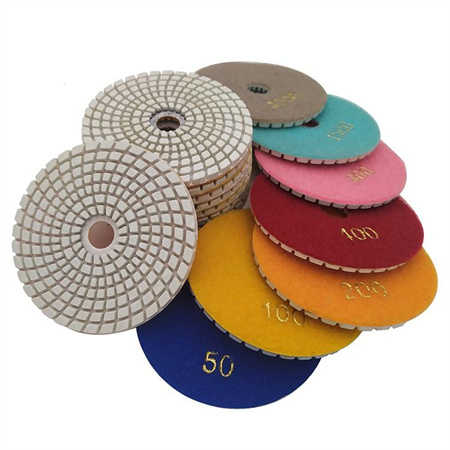
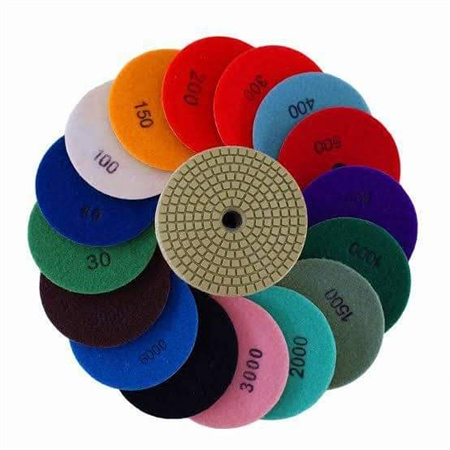
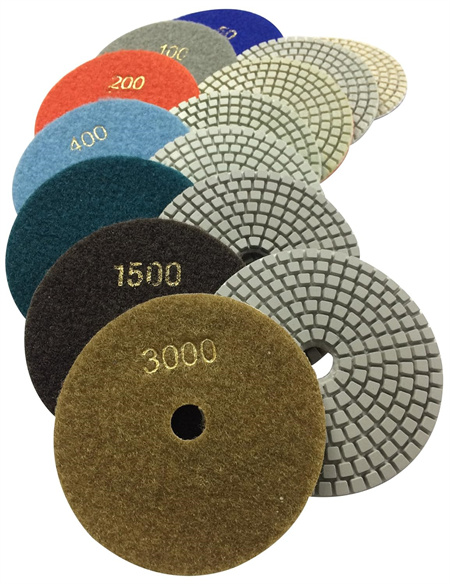
1. Coarse Grit Pads (50-200 grit): These are used for initial grinding, removing scratches, rough spots, and imperfections. They’re perfect for leveling or reshaping the surface.

2. Medium Grit Pads (200-400 grit): After the coarse grit pads have done their job, medium grit pads refine the surface, reducing visible marks and smoothing things out.
3. Fine Grit Pads (800-1500 grit): These pads are used to start polishing the surface, preparing it for the final, mirror-like finish. At this stage, the surface begins to shine.
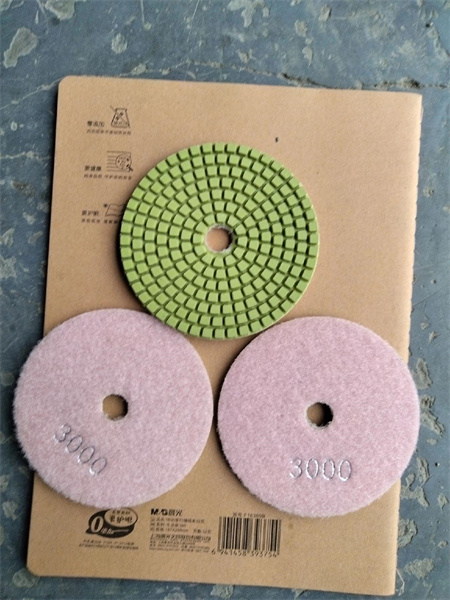
4. Polishing Pads (3000-8000 grit): These high-grit pads are used for achieving that flawless, glass-like finish. The higher the grit, the smoother and shinier the surface will become.
A well-rounded polishing job often involves using a combination of these different grits, with each stage bringing the surface closer to its final, glossy appearance.
Can I Use Diamond Polishing Pads on Wet Surfaces?
Yes, diamond polishing pads can be used wet or dry, but wet polishing is often preferred, especially when working with stone. Wet polishing helps to cool the pad and the surface, preventing overheating, which can damage both the pad and the material being worked on. Additionally, using water reduces the dust produced during polishing, making the process cleaner and more comfortable to work with.
How Long Do Diamond Polishing Pads Last?
The lifespan of diamond polishing pads depends on a few factors, including the quality of the pad, the material you’re polishing, and the intensity of use. A good-quality diamond pad can last for several months or even years if used properly. However, pads used on harder materials or under heavy workloads may wear out more quickly. Always check the pads for signs of wear, such as the loss of diamond particles or visible damage, and replace them when necessary.

Frequently Asked Questions About Diamond Polishing Pads
Are There Different Types of Diamond Polishing Pads?
Yes, diamond polishing pads come in several types, each suited for different tasks. Some of the most common include:
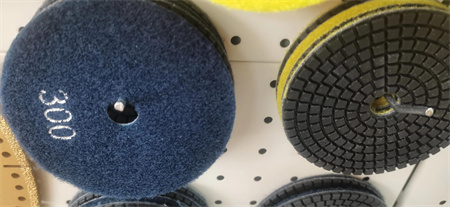
– Wet Pads: As mentioned earlier, wet pads are used with water to keep the surface cool and reduce dust. These are ideal for stone and marble polishing.

– Dry Pads: Dry pads can be used without water and are often preferred for smaller, more portable tasks or when water use is impractical.

– Turbo Pads: Turbo diamond pads are designed for heavy-duty grinding and polishing. They have a more aggressive design and are ideal for removing large amounts of material quickly.
– Hook and Loop Pads: These pads feature a hook-and-loop backing that makes them easy to change out and fit onto different polishing machines.
Can I Use Diamond Polishing Pads on Concrete?
Absolutely! Diamond polishing pads are commonly used for concrete polishing, whether for floors, countertops, or other surfaces. When polishing concrete, it’s important to start with a coarser grit pad to remove imperfections and gradually move to finer grits to achieve the desired shine. Concrete polishing is often a multi-step process, requiring patience and the right tools, but the results can be stunning with the right technique.
What Should I Look for When Buying Diamond Polishing Pads?

Frequently Asked Questions About Diamond Polishing Pads
When choosing diamond polishing pads, consider factors like the material you’ll be polishing, the grit range needed, and whether you need wet or dry pads. The quality of the pad and its diamond concentration are also important. Higher quality pads may cost more initially, but they often deliver better results and last longer, saving you money in the long run.
Diamond polishing pads are indispensable tools for anyone looking to achieve a high-quality, smooth, and glossy finish on hard surfaces. With the right tools and a bit of knowledge, you can transform rough surfaces into beautiful works of art. Whether you’re polishing stone, concrete, or even glass, diamond pads provide the precision and power needed to get the job done right.

Categories
Uncategorized

Using Diamond Pads for Multi-Surface Polishing in One Job

Using Diamond Pads for Multi-Surface Polishing in One Job
When it comes to achieving a flawless, smooth finish on various surfaces, diamond polishing pads have become an indispensable tool for both professionals and DIY enthusiasts. These pads are a game-changer for anyone looking to tackle multiple surfaces with efficiency and precision, whether it’s marble, concrete, granite, or even terrazzo. The versatility and durability of diamond pads allow for a high-quality, polished finish across different materials, all with a single set of tools.
In the world of surface polishing, the right equipment can make all the difference. Diamond pads stand out for their exceptional performance, and here’s why they’re gaining popularity among those who demand perfection in their work.
The Power of Diamond Abrasives
At the heart of diamond polishing pads is, of course, the diamond itself. Known for its unmatched hardness, diamond allows these pads to handle even the most difficult surfaces with ease. Whether you’re working with soft stones like marble or harder materials like granite, the diamond abrasives provide a consistent, scratch-free finish without excessive wear on the pad itself.
What makes diamond pads particularly appealing is their ability to handle multiple surface types in one job. Many polishing projects involve a variety of materials, which can be time-consuming and costly if different tools and abrasives are required for each. Diamond pads eliminate the need for swapping out tools by offering a one-size-fits-all solution for different surfaces. This translates into significant time and cost savings for professionals who often deal with diverse projects.
Versatility Across Materials
A single diamond polishing pad can be used across a range of surfaces, including natural stones like granite, marble, and limestone, as well as man-made materials like terrazzo and concrete. This multi-surface capability is not only a matter of convenience but also of consistency. Many traditional polishing pads require specialized pads for each material, which can result in uneven results, especially when transitioning from one surface to another. With diamond pads, however, the process remains smooth and uniform, ensuring that all materials receive the same high-quality finish.
For instance, when polishing concrete floors, diamond pads efficiently remove surface imperfections, honing the concrete to a glossy sheen without leaving behind visible scratches. The same pad can be used to bring out the deep shine of a marble countertop or smooth out the rough surface of granite. This flexibility allows users to achieve a professional-grade polish across different surfaces with a single tool, cutting down on the number of pads and steps required for the job.

Using Diamond Pads for Multi-Surface Polishing in One Job
Efficiency and Time-Saving
In the past, polishing different surfaces often meant changing between multiple types of abrasives or pads—each suited to a particular material. This time-consuming process not only increased labor costs but also slowed down the overall project timeline. By using diamond pads that are designed for use on a variety of surfaces, professionals can dramatically reduce the time spent switching between tools.
Using Diamond Pads for Multi-Surface Polishing in One Job
The multi-surface functionality of diamond pads means that a single job can be completed faster, and with fewer interruptions for maintenance or tool changes. This is especially beneficial in commercial and industrial settings, where time is of the essence, and efficiency is key to profitability.
Long-Lasting Performance
Diamond polishing pads are built to last. Unlike traditional sandpaper or polishing pads, which degrade quickly under pressure, diamond pads maintain their shape and effectiveness even after extensive use. The durability of these pads makes them a wise investment for anyone involved in surface polishing.
Additionally, the uniformity of the abrasive particles embedded within the pad means that the polishing action remains consistent throughout the pad’s lifespan. This ensures that each surface receives the same high-quality finish from the start of the job to the finish, making the process more predictable and reliable.
How to Get the Best Results with Diamond Pads
While diamond pads are incredibly versatile, it’s essential to use them correctly to maximize their effectiveness. First, ensure you’re using the right grit for the job—coarse grits are ideal for aggressive grinding and removing heavy imperfections, while finer grits will provide that mirror-like finish. Additionally, always use the pads with the appropriate equipment, such as polishing machines or angle grinders, to ensure optimal results.
Using Diamond Pads for Multi-Surface Polishing in One Job
Proper cleaning and maintenance of the pads are also key. After each use, wipe the pads clean to remove any debris or material build-up. This will help maintain their efficiency and extend their lifespan. Regularly inspect the pads for wear and tear, replacing them when necessary to ensure they continue performing at their best.
The Bottom Line
Diamond pads have revolutionized the way we approach multi-surface polishing. With their ability to work across different materials without sacrificing quality or consistency, they offer unmatched versatility, efficiency, and durability. Whether you’re a professional contractor, a stone fabricator, or simply someone who enjoys DIY projects, investing in diamond polishing pads will not only save you time and money but also help you achieve that perfect, glossy finish on a variety of surfaces. If you’re looking for a way to streamline your polishing process and improve your results, diamond pads are definitely the way to go.

Categories
Uncategorized

How to Compare Polishing Pads Across Different Brands

How to Compare Polishing Pads Across Different Brands
When it comes to achieving that perfect, mirror-like finish on your vehicle, the right polishing pad can make all the difference. However, with so many brands and types on the market, choosing the best one can feel overwhelming. Whether you’re a professional detailer or a DIY enthusiast, understanding the nuances between different polishing pads is essential. Here’s a guide to help you navigate the world of polishing pads, and make a well-informed decision about which one works best for your needs.
The Material Makes a Difference
The first factor to consider when comparing polishing pads across brands is the material. Polishing pads come in a variety of materials, each with its own advantages and drawbacks. Foam pads are the most common, but you’ll also find microfiber, wool, and hybrid options.
– Foam Pads: Generally, foam pads are the go-to for most detailing projects. They’re versatile, come in different levels of softness and firmness, and are designed for both polishing and compounding. You’ll find pads with different cell structures, such as open-cell (better for applying polishes) and closed-cell (ideal for cutting and reducing defects).
– Microfiber Pads: Microfiber pads are gaining popularity for their ability to cut through paint imperfections faster. They work well with both cutting and polishing compounds, offering a smooth finish while leaving less residue behind. The key advantage of microfiber is its higher abrasion rate, which can help when dealing with heavy imperfections, though they can be harsher on delicate surfaces if used incorrectly.
– Wool Pads: Wool pads are typically used for heavy cutting jobs. If your car’s paint has deep swirl marks or scratches, wool is often the material of choice. These pads are aggressive and help to quickly remove defects, but they can leave micro-marring, so they require careful handling and a more experienced touch.
– Hybrid Pads: Hybrid pads combine the benefits of both foam and microfiber. These offer the versatility of foam with the cutting power of microfiber, making them a good option for both enthusiasts and professionals who need a balance between performance and safety.
The Pad’s Density and Firmness
Another key factor is the pad’s density and firmness. Pads can vary from soft to firm, with each type serving a different purpose.
– Soft Pads: Soft pads are used primarily for polishing and finishing. They help create a smooth, glossy surface without causing damage to the paint. They’re perfect for delicate surfaces or after the cutting phase to remove light imperfections and create a swirl-free shine.
– Firm Pads: These are great for more aggressive work. If you’re dealing with heavy oxidation, deep swirl marks, or significant defects in the paint, you’ll want to reach for a firmer pad. Firm pads provide more pressure and can work faster, but they may also introduce micro-marring if not used carefully.
Choosing the right firmness depends on the condition of your car’s paint. For a light polish on a relatively new car, a soft pad might be the best choice. For older vehicles with more wear and tear, a firmer pad might be necessary to correct imperfections effectively.
Durability and Quality
Durability is another aspect worth considering. A high-quality pad will not only last longer but will also maintain its performance throughout the polishing process. Cheap pads often wear down quickly or degrade in performance after just a few uses. Top-tier brands invest in higher-quality materials that resist heat buildup and excessive wear.

How to Compare Polishing Pads Across Different Brands
When comparing pads, make sure to look for those made from durable materials that can withstand the pressure and heat generated by machine polishing. Higher-end brands may cost more upfront, but they often save you money in the long run by offering better performance and longevity.
Brand Reputation and Customer Reviews
Brand reputation is crucial when evaluating polishing pads. Some brands have built a name for themselves based on their consistent quality, while others are still building their reputations. When you’re shopping around, take the time to read customer reviews and expert opinions. Reviews can provide valuable insights into a product’s performance, durability, and effectiveness.
Popular brands like Meguiar’s, Chemical Guys, and Rupes have a proven track record in the detailing world, while newer brands might offer competitive products at lower price points. It’s important to weigh the pros and cons, and not just focus on price, but also consider the overall performance and user satisfaction.
How to Compare Polishing Pads Across Different Brands
Compatibility with Your Polishing Machine
Not all pads are compatible with every polishing machine, so it’s essential to match your pad to your tool. Some brands design their pads specifically to work with certain types of machines, whether it’s a dual-action polisher or a rotary machine. Make sure that the pad you choose is the right size and shape for your machine to avoid unnecessary vibration or an uneven application.
Price and Value
Price is always an important consideration, but it’s not the only factor that should determine your choice. Some high-end pads may seem expensive upfront, but their performance and durability can justify the investment. On the other hand, cheaper pads may require frequent replacements, resulting in a higher cost over time.
How to Compare Polishing Pads Across Different Brands
While shopping for polishing pads, keep in mind that a slightly higher price for a premium pad can often be the best value in the long run, especially if you’re looking for professional-level results or planning to use your pads frequently.
Conclusion
Choosing the right polishing pad is more than just picking the cheapest option. It’s about understanding the material, firmness, durability, and compatibility with your machine. By considering these factors and comparing products from various brands, you can select the perfect pad for your needs. Whether you’re trying to remove swirls, restore shine, or perform a full paint correction, the right polishing pad can take your detailing efforts to the next level, providing results that speak for themselves.

Categories
Uncategorized

Key Considerations When Selecting Polishing Pads for Construction

Key Considerations When Selecting Polishing Pads for Construction
When it comes to construction, the importance of the finishing touches cannot be overstated. A smooth, polished surface can transform the aesthetic of any project, from concrete floors to stone countertops. But achieving that perfect, high-quality finish is not as simple as just choosing the right tools. The polishing pad you select plays a critical role in the overall outcome, affecting both the speed of the process and the quality of the result. So, how do you make the best choice when selecting polishing pads for your construction projects?
The first thing to keep in mind is the type of material you’re working with. Different surfaces, whether they are concrete, marble, granite, or terrazzo, have unique characteristics that require specific pad types. For example, concrete is a much harder surface compared to marble, so you’ll need a pad designed to handle tougher materials. On the flip side, if you’re polishing softer materials, you might opt for pads that are gentler but still effective in producing a smooth, even finish. It’s crucial to match the pad to the material, as using the wrong type can cause inefficiencies, poor results, or even damage to the surface you’re working on.
Another essential consideration is the grit size of the pad. Polishing pads come in various grit sizes, ranging from coarse to ultra-fine. Coarse pads are ideal for removing deep scratches or imperfections, while finer pads are used for the final stages of the polishing process, helping to create that mirror-like finish. A key thing to remember is that it’s generally recommended to start with a coarser pad and gradually work your way to finer grits to achieve the best results. Skipping steps in this progression can result in an uneven finish or even cause additional damage to the surface. Depending on the project, you might need to use multiple pads of varying grits to achieve the desired effect.

Key Considerations When Selecting Polishing Pads for Construction
The material of the polishing pad itself is another important factor to consider. Polishing pads are typically made from either resin, rubber, or foam. Resin pads are great for aggressive polishing jobs, particularly when working on tougher surfaces. They are durable, can withstand high pressures, and are commonly used for concrete and granite polishing. Rubber pads, on the other hand, are more flexible and suited for polishing curved or irregular surfaces. Foam pads are often the go-to choice for achieving a fine, glossy finish on softer materials like marble or stone. Each material has its pros and cons, so understanding the specific needs of your project will help you choose the right pad for the job.
Key Considerations When Selecting Polishing Pads for Construction
The durability of the pad is also something to consider. Construction projects can be demanding, and you need a polishing pad that can handle both the intensity of the work and the time required to finish the job. A pad with high durability will not only deliver consistent results throughout the entire project but also save you money in the long run. It’s worth investing in pads that are designed to last, especially if you’re working on large-scale projects or multiple surfaces. High-quality pads might come with a higher upfront cost, but their longevity can make a significant difference when it comes to overall cost-effectiveness.
Another factor that can’t be ignored is the pad’s compatibility with your polishing machine. Not all pads are universally compatible with every polishing tool, and mismatches between the two can lead to subpar results or even equipment failure. Make sure to check the specifications of both the pad and your machine before purchasing to ensure they are compatible. A poorly fitted pad can cause unnecessary wear and tear on both the pad and the machine, which will ultimately lead to more maintenance and downtime.
Consider the level of dust control as well. Polishing concrete or stone can generate significant dust, which can not only be harmful to your health but also create a mess on the job site. Some polishing pads are designed with dust control in mind, offering integrated mechanisms to reduce the amount of dust released into the air. These pads can be particularly beneficial for indoor projects, as they help to maintain a cleaner, healthier work environment.
The versatility of the polishing pad is another aspect to consider, especially if you plan to work on multiple types of surfaces during a single project. Some pads are designed to handle a range of materials, allowing for greater flexibility in your work. This can be a time-saver, as you won’t need to constantly switch out pads as you move from one material to another.
In conclusion, selecting the right polishing pad for your construction project requires careful consideration of several factors, including the material you’re working on, the grit size, the pad material, durability, machine compatibility, and dust control. By understanding the specific needs of your project and choosing the right pad, you’ll be able to achieve a flawless finish every time, making your construction work not only more efficient but also more impressive. Whether you’re working on a small home renovation or a large commercial project, the right polishing pad can make all the difference in the quality of the final product.
Key Considerations When Selecting Polishing Pads for Construction