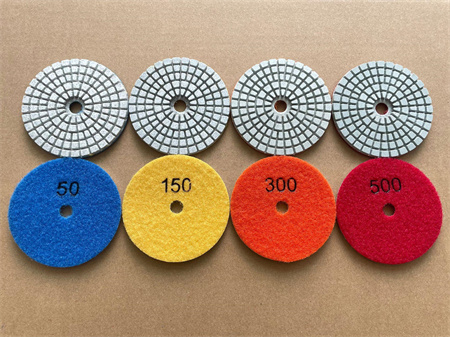
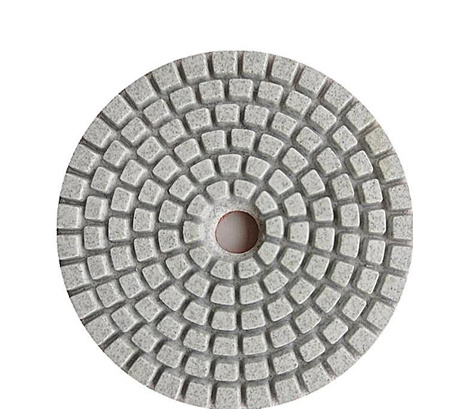
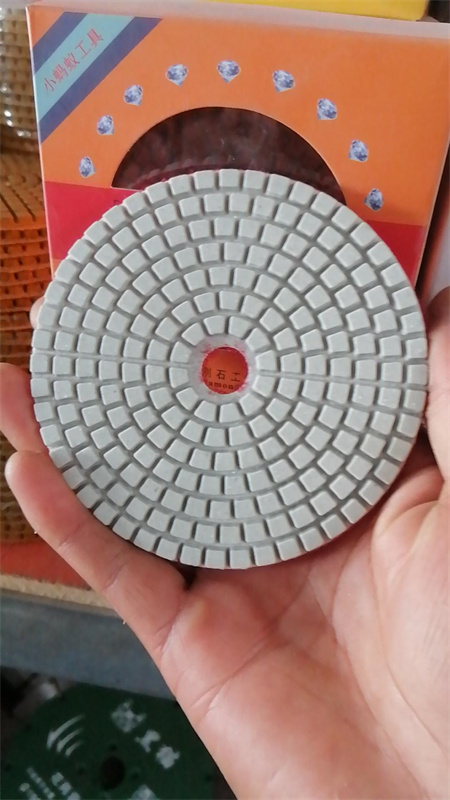
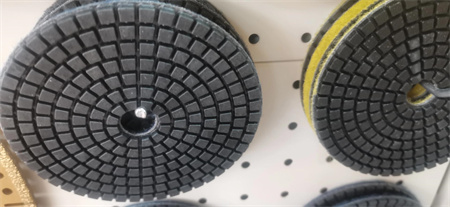
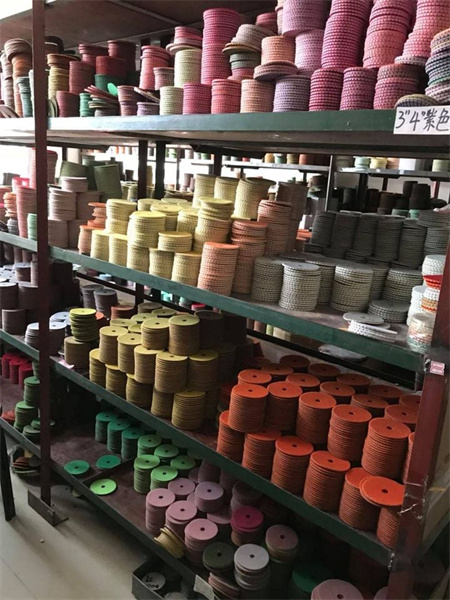
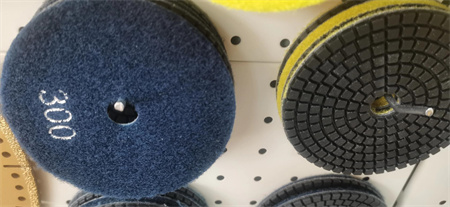
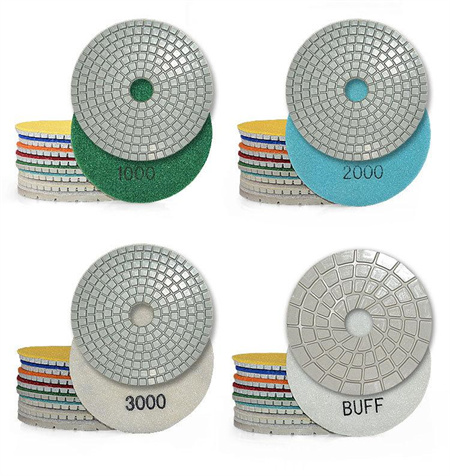
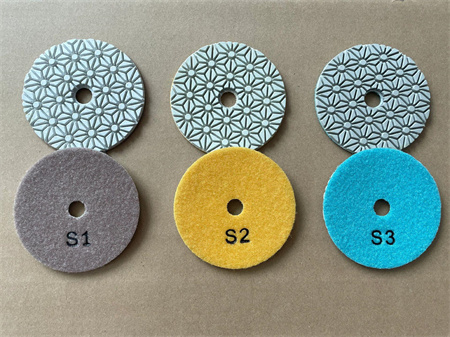
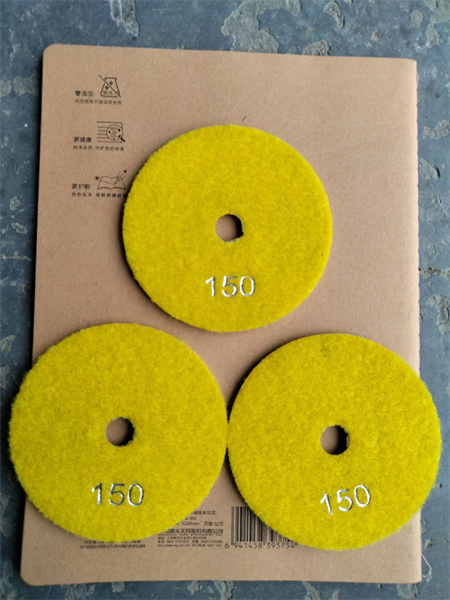
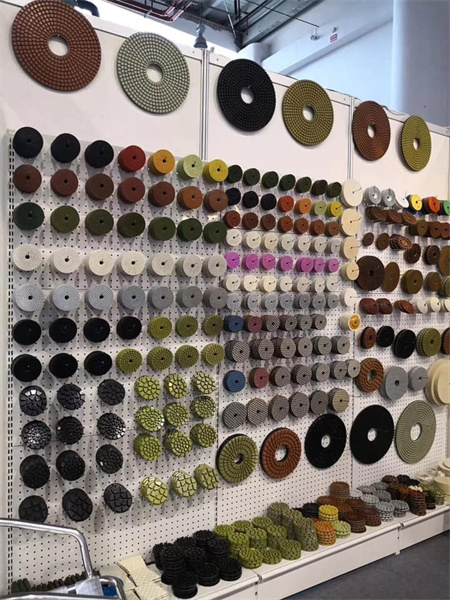
As a manufacturer with over 30 years of experience supplying diamond polishing pads to international markets, I have observed how material selection, manufacturing processes, and quality control determine tool performance when used on high-speed machines in the stone fabrication industry. Buyers of diamond polishing pads, stone polishing tools, and supplies for granite polishing, marble finishing, and concrete polishing need pads engineered for both aggressive removal and consistent surface gloss at elevated spindle speeds.
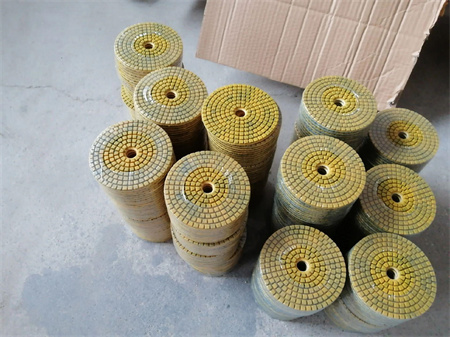
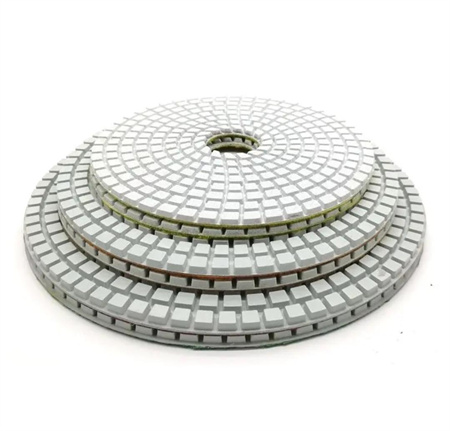
Bond type remains the primary determinant of performance. Resin bond pads provide flexibility and fast gloss development for later-stage polishing on granite and marble, while metal bond pads offer superior cutting speed and wear resistance for initial grinding on hard materials. Hybrid bond formulations combine metal and resin properties to maintain cutting efficiency while improving user-friendly finishing characteristics on concrete and engineered stone. Decades of formula development experience allow control of bond hardness and thermal stability to suit high RPM applications.
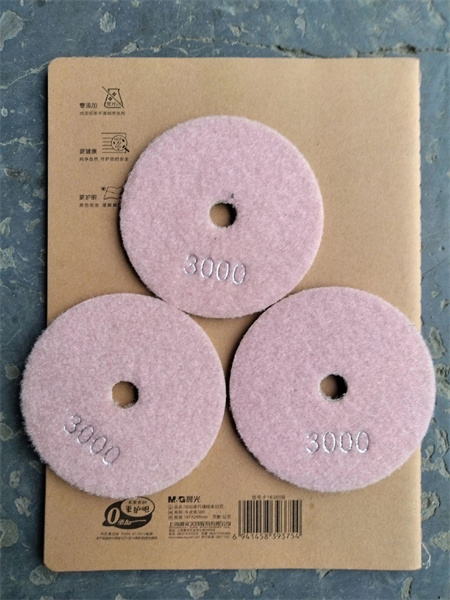
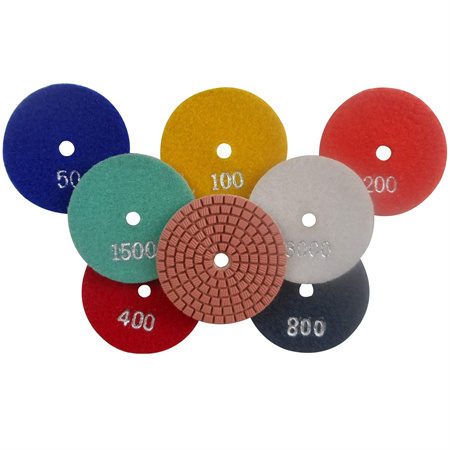
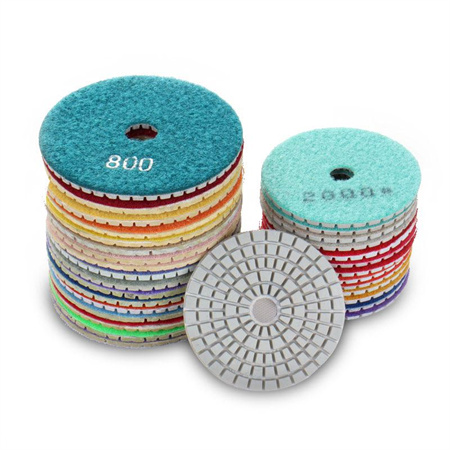
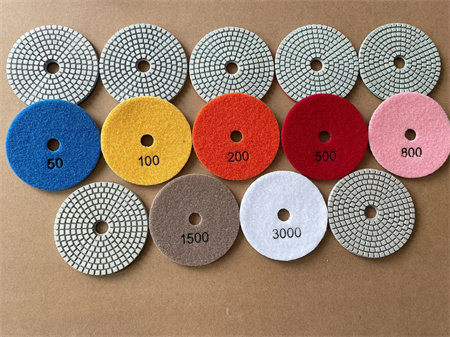
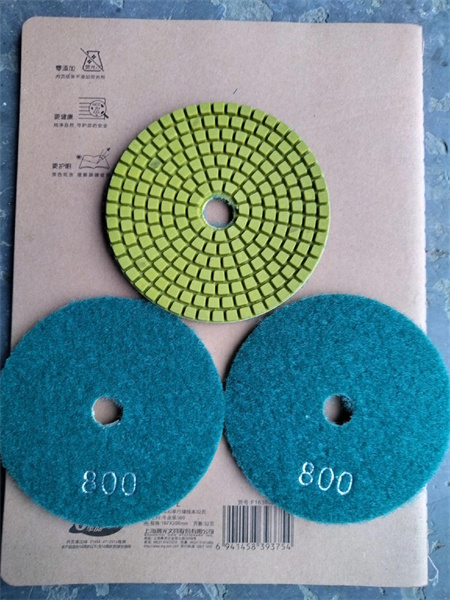
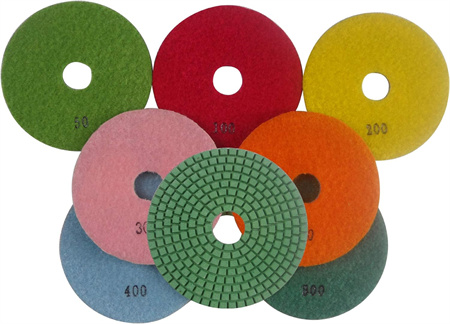
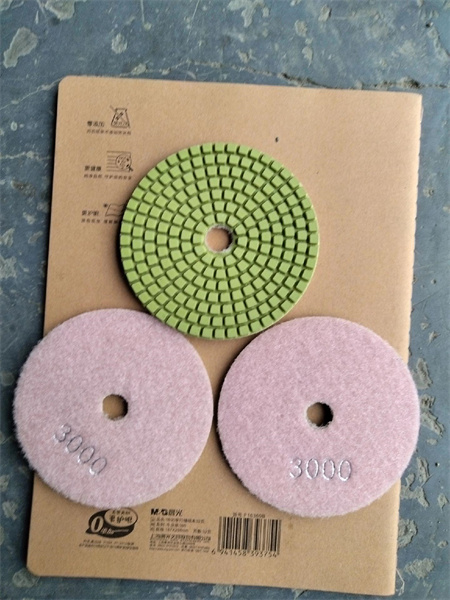
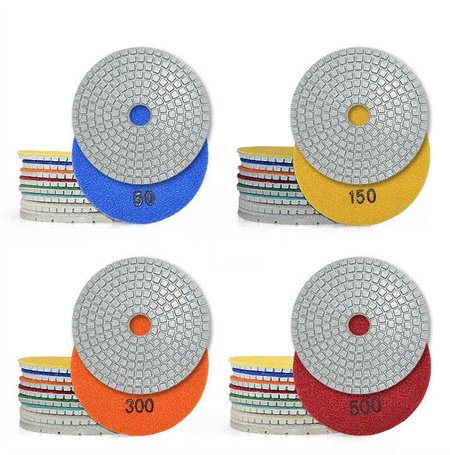
Synthetic diamond quality and grit systems also play critical roles. Industrial synthetic diamonds graded by micron size and crystal quality influence cut rate and lifespan. Coarser grits (e.g., 50–200 grit) remove material quickly, medium grits (200–800) refine scratches, and fine grits (800–3000) develop final gloss. Consistent micron distribution and low impurity content reduce premature fracture at high speeds, maintaining predictable cutting speed and longer pad life—important for distributors and fabrication shops managing tool inventories.
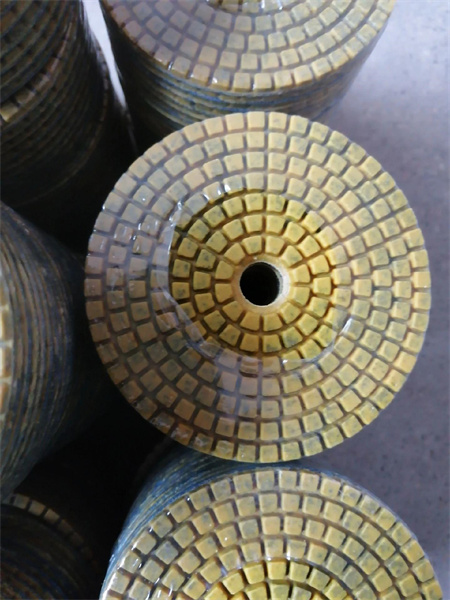
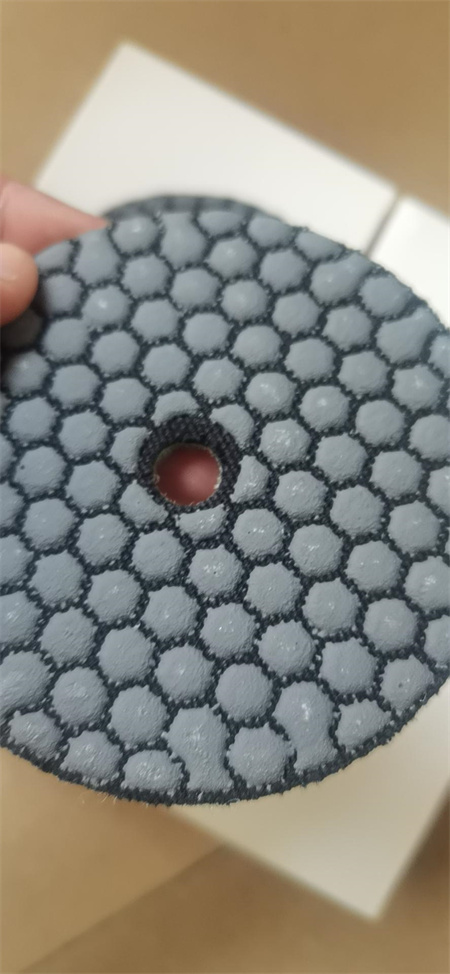
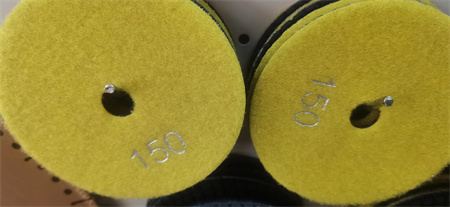
Production processes are tailored to end-use and bond chemistry. For resin and hybrid pads, hot pressing or cold pressing is followed by controlled thermal curing to achieve uniform bond density and consistent porosity. Metal bond systems often require sintering or electroplating methods to anchor diamond particles firmly. Strict control over pressing pressure, cure temperature profiles, and dwell times ensures repeatable performance across batches. Backing systems such as Velcro or hook and loop are integrated during manufacturing to ensure secure attachment, easy pad changes, and concentric balance critical for high-speed machines.
Performance factors operators will notice include cutting speed, gloss level, lifespan, and heat resistance. Cutting speed is governed by diamond grit, concentration, and bond hardness; gloss level depends on final grit and bond polishability; lifespan is linked to diamond retention and bond toughness; heat resistance is a function of bond formulation and thermal conductivity. For high-speed machining, managing heat generation through bond design and appropriate coolant or dry-polishing strategies prevents glazing or premature wear.
Quality control standards support export customers who demand batch consistency. Incoming inspection of synthetic diamond grain size, chemical analysis of bond materials, in-process monitoring of pressing and curing parameters, and finished-product testing—such as wear testing, dimensional checks, and gloss measurements—are essential. Lot numbering, sample retention, and statistical process control reduce variability so stone tool distributors and wholesalers can rely on predictable performance across shipments.
Packaging for international export follows practices that protect product integrity. Pads are separated with interleaving, desiccants may be included, and cartons are palletized with corner protection and shrink wrap to withstand long transit. Clear labeling and compliance documentation facilitate customs clearance and integrate with buyers’ inventory systems.
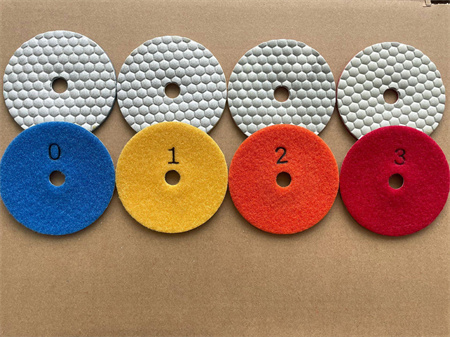
For buyers in fabrication workshops, construction contracting, and building material supply, understanding how bond systems, synthetic diamond quality, grit selection, and disciplined production processes interact will help select the right diamond polishing pads for high-speed applications. Reliable QC and export packaging further ensure tools arrive ready for consistent performance on the shop floor.