Categories
Uncategorized

How Our Pads Stand Out in Durability Tests

How Our Pads Stand Out in Durability Tests
When it comes to choosing the right pad for your needs, durability is a non-negotiable factor. Whether you’re relying on them for heavy-duty tasks, long hours, or challenging environments, the last thing you want is to have your pads wear out too soon. That’s where we come in. Our pads are engineered not only for comfort and performance but also for unmatched durability. We put them through rigorous tests to ensure they stand the test of time, and here’s why they excel in ways others simply can’t match.
First off, our testing process is anything but ordinary. We push our pads to their absolute limits, simulating real-world conditions to see how they perform. From extreme heat to intense pressure, from high-impact scenarios to constant abrasion, our pads are subjected to conditions that mimic the harshest environments. We don’t just hope they will survive; we make sure they do. And the results? Our pads consistently outperform others in these critical durability tests.
How Our Pads Stand Out in Durability Tests
One key factor that sets our pads apart is the material technology we use. Our team of engineers has spent years researching and sourcing high-quality materials that resist wear and tear without compromising on comfort. The core of our pads is built with advanced composite fibers that offer remarkable strength. These materials are designed to absorb shocks and distribute pressure evenly, which not only enhances the pad’s performance but also ensures it can withstand long-term use. This makes our pads the perfect choice for industries and activities where reliability is paramount.
The surface of our pads is another area where we don’t cut corners. We use a high-density layer that resists abrasions, ensuring that no matter how much friction your pad encounters, it won’t break down or lose its integrity. Whether you’re walking, kneeling, or enduring prolonged pressure, the surface layer is built to stay intact, offering lasting protection without losing comfort. This is a major advantage over pads that tend to wear out quickly with everyday use.
How Our Pads Stand Out in Durability Tests
Another feature that stands out is our pads’ resistance to moisture and environmental factors. Many pads on the market begin to degrade when exposed to moisture, humidity, or extreme weather conditions. Not ours. Through extensive testing, we’ve ensured that our pads can withstand water, sweat, and other environmental factors that would cause most others to lose shape or become less effective. This resistance not only extends the life of the pad but also ensures that it remains as comfortable and reliable on day one as it is after months of use.
In terms of pressure resistance, our pads don’t buckle under heavy loads. Whether you’re using them for construction, industrial applications, or sports, our pads retain their structural integrity even when exposed to intense pressure for extended periods. Unlike pads that flatten out or lose their cushioning effect, ours maintain their original shape, offering the kind of consistent comfort and protection you need to get the job done.
Testing for durability isn’t just about strength; it’s also about performance over time. That’s why we don’t just subject our pads to a few short tests. We put them through long-term stress tests, simulating years of use. This helps us understand how our pads hold up under continuous wear and tear, ensuring that they don’t deteriorate quickly or lose their effectiveness after extended use. The result is a product you can count on, day after day, year after year.
Customer feedback plays a crucial role in refining our durability standards. We constantly hear from users who rely on our pads in demanding environments, and their experiences help us improve our designs even further. It’s through this ongoing dialogue with our community that we’re able to stay ahead of the curve, continually evolving to meet the toughest demands.
How Our Pads Stand Out in Durability Tests
But what really sets us apart isn’t just our testing methods or the materials we use; it’s our commitment to quality. We don’t cut corners, and we don’t settle for “good enough.” We strive for excellence, ensuring that every pad we produce meets the highest standards of durability and performance. Our dedication to quality control and constant innovation means you can trust that our pads will continue to outperform the competition, even when faced with the harshest conditions.
So, whether you’re looking for a pad for personal use, industrial applications, or high-impact activities, you can rest assured that our products have been engineered to stand the test of time. After all, durability isn’t just a feature—it’s the foundation of everything we do.
Categories
Uncategorized

Optimal Operating Speeds for Diamond Polishing Pads

Optimal Operating Speeds for Diamond Polishing Pads
When it comes to achieving a flawless finish on stone, concrete, or any other material, diamond polishing pads are indispensable. These tools are renowned for their efficiency and precision, capable of transforming rough surfaces into smooth, glossy ones with minimal effort. However, the key to maximizing the performance of these pads lies in understanding and controlling their operating speeds. The right speed can make all the difference between a surface that shines with a mirror-like finish and one that looks dull and uneven.
Operating a diamond polishing pad at the optimal speed isn’t as simple as pushing the machine to its maximum RPM. The speed needs to be matched with factors like the type of material you’re polishing, the specific diamond grit size, and even the environmental conditions. It’s all about balance—too fast, and you risk damaging both the pad and the surface; too slow, and you’ll find the job taking much longer than necessary. So, what’s the sweet spot?

Optimal Operating Speeds for Diamond Polishing Pads
Material Matters: Adjusting Speed for Surface Types
Optimal Operating Speeds for Diamond Polishing Pads
Different materials respond to different polishing speeds. For example, polishing concrete with diamond pads typically requires slower speeds, as concrete is more abrasive and resilient. Too high of a speed can cause unnecessary wear on both the pad and the machine, and it can even lead to surface gouging. In contrast, softer materials like marble or granite can be polished at higher speeds, which helps the diamonds to perform at their best and achieve a glossy finish more quickly.
For concrete, the ideal speed range is typically between 600 and 1500 RPM, depending on the hardness of the concrete and the type of grit being used. For softer stones, speeds around 2000-3000 RPM can help achieve a high-quality finish without damaging the material. Of course, understanding the surface you’re working with and knowing how it reacts under different speeds is crucial to getting the best results.
Diamond Grit Size and Its Influence on Speed
The size of the diamond grit on the polishing pad also plays a significant role in determining the optimal operating speed. Finer grits—such as those used in the later stages of polishing—require slower speeds to avoid creating heat that could cause the diamonds to lose their sharpness. On the other hand, coarser grits used for the initial stages of polishing may perform better at higher speeds, as the larger diamonds require more force to break through the rough surface.
As a general rule of thumb, coarser grits (like 30 or 50) are used at speeds of 1500-2000 RPM for an efficient cut, while finer grits (like 800 or 1500) should be used at slower speeds of around 1000-1500 RPM to ensure that the surface receives an even finish without overheating the pad.
Surface Finish Goals: Speed Versus Quality
Another important consideration is the type of finish you are aiming for. If you’re looking to achieve a high-gloss shine, you will need to dial back the speed during the final stages of polishing. Excessive speed at this point can result in an uneven finish or burnishing the surface to the point where it appears too shiny, but with noticeable inconsistencies. For those looking to achieve a smooth, uniform high-gloss finish, maintaining a moderate speed of 1000-1500 RPM often yields the best results. Slower speeds allow for a better control over the pad and help prevent the creation of micro scratches.
In contrast, if you’re not focused on a glossy finish but simply need to smooth out the surface or prepare it for a subsequent step, higher speeds will likely work better. For such tasks, speeds of 1500-2000 RPM are typically sufficient to remove scratches or inconsistencies without the need for a highly polished surface.
Temperature Control: Avoiding Overheating
A crucial aspect of working with diamond polishing pads at high speeds is managing the heat generated during the process. The faster the speed, the more friction is created, which leads to higher temperatures. This can be particularly detrimental when polishing harder surfaces, as overheating can cause the diamonds to wear down prematurely or even cause the resin that binds the diamonds to melt, resulting in a loss of effectiveness.
To prevent overheating, it’s vital to use the right amount of water or cooling agent during polishing. This not only helps in maintaining the pad’s lifespan but also ensures that you’re achieving the best possible finish without compromising the integrity of the material.
Conclusion
Finding the optimal operating speed for diamond polishing pads requires a careful balance of various factors, including material type, grit size, surface finish goals, and heat management. There’s no one-size-fits-all solution, but by paying close attention to these elements, you can significantly enhance the performance of your diamond pads and achieve superior results every time. Whether you’re working with concrete, marble, granite, or any other surface, the right speed ensures that you maximize the longevity of your tools, save time, and get a flawless, high-quality finish that will stand the test of time.

Optimal Operating Speeds for Diamond Polishing Pads

Categories
Uncategorized

Best Diamond Pads for High-Volume Stone Projects

Best Diamond Pads for High-Volume Stone Projects
When it comes to high-volume stone projects, whether you’re working with granite, marble, or any other stone material, having the right tools can make all the difference. Among the most essential tools for these kinds of projects are diamond pads. These pads are the unsung heroes that provide the polishing, grinding, and finishing needed to bring out the true beauty of stone surfaces. But with so many options out there, how do you choose the best diamond pads for your specific needs? Let’s dive into what makes a great diamond pad and highlight some top choices for your high-volume stone projects.
Why Diamond Pads Matter in High-Volume Projects

Best Diamond Pads for High-Volume Stone Projects
Diamond pads are the key to achieving a professional-grade finish on stone surfaces. They are specifically designed to handle the demanding work of polishing and grinding, making them perfect for high-volume applications where speed and consistency are paramount. Whether you’re working on countertops, flooring, or other stone surfaces, diamond pads help remove scratches, imperfections, and rough spots, leaving behind a flawless, smooth finish. Unlike traditional abrasives, diamond pads are tougher, more durable, and provide a more consistent result over time.
Key Features to Look For
When selecting diamond pads for high-volume stone projects, there are several factors to consider that will affect both the performance and longevity of the pads:
1. Durability – For high-volume work, durability is non-negotiable. Diamond pads should be able to withstand the repetitive use required in large-scale projects without degrading too quickly. Look for pads with higher diamond content and a solid bond matrix to ensure they stand up to heavy workloads.
2. Size and Compatibility – Depending on your machine and the type of stone you’re working with, the size of the diamond pad matters. Standard sizes range from 4-inch to 8-inch pads, but it’s essential to choose pads that are compatible with your grinder or polisher.
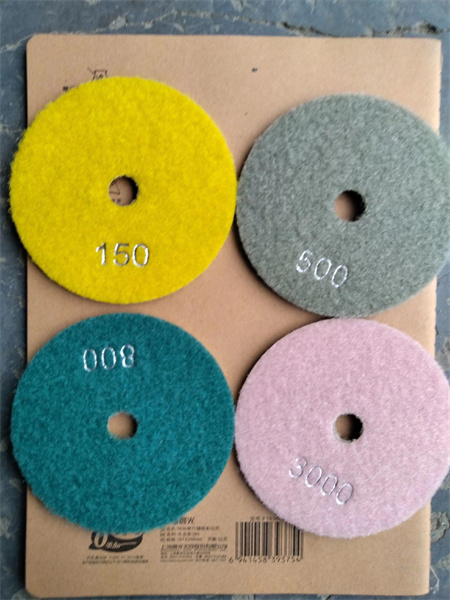
3. Grit Range – Diamond pads come in various grit ranges, typically starting from coarse (30 grit) to ultra-fine (3,000 grit). For high-volume stone projects, you’ll need a range of grits to perform rough grinding, medium polishing, and fine finishing. Having a versatile set of pads can help you seamlessly transition from one stage of your project to the next.
4. Wet vs. Dry Use – Some diamond pads are designed for wet use, which can help with cooling and dust control, making them ideal for smoother, finer finishes. Others are made for dry use, which is great for more aggressive grinding. For high-volume projects, it’s important to choose pads that match your workflow—whether you’re working in a wet environment or need the convenience of dry pads.
5. Aggressiveness – For projects that require quick results, aggressive pads that can grind away stone efficiently are necessary. However, if you’re working on a delicate or high-end stone, a less aggressive pad might be better to avoid damaging the surface.
Top Diamond Pads for High-Volume Stone Projects
Now that we know what to look for, here are some of the best diamond pads that stand out in the market for high-volume stone projects:
1. Makita 5-Inch Diamond Polishing Pads
Makita is known for producing high-quality power tools, and their diamond polishing pads are no exception. These pads come with a strong bond that can handle continuous use, making them perfect for large-scale stone polishing projects. With a variety of grits available, these pads are ideal for both wet and dry use, and their aggressive nature ensures that they work quickly without compromising the finish.
2. Alpha Professional Tools 4-Inch Diamond Pads
Alpha’s diamond pads are widely praised for their versatility and consistent performance. Whether you’re polishing marble, granite, or concrete, these pads give a smooth, high-quality finish. They are designed for wet use, which helps with cooling and dust reduction. The pads’ superior flexibility and durability make them a great option for high-volume projects.
3. Diamond Vantage Wet/Dry Polishing Pads
Best Diamond Pads for High-Volume Stone Projects
For those who need both wet and dry options, Diamond Vantage offers some of the best. These pads feature a unique bond matrix that holds up well under high stress and can be used on a variety of surfaces. With their long lifespan, they’re an excellent choice for those handling a large volume of stone work. The pads also deliver a smooth, glossy finish without the need for extra steps in the polishing process.
4. Genie 4-Inch Dry Polishing Pads
Genie’s 4-inch dry polishing pads are a favorite among contractors working with granite and quartz. These pads are known for their efficiency and aggressive grinding capabilities, which makes them ideal for projects where time is of the essence. With a range of grit sizes available, you can easily transition from rough grinding to fine finishing. Plus, their long-lasting durability means you won’t need to replace them frequently, making them a cost-effective choice for high-volume work.
Best Diamond Pads for High-Volume Stone Projects
5. CNC Tools 7-Inch Diamond Pads
If you’re working with larger stones or expansive surfaces, the CNC Tools 7-inch diamond pads are a great option. These pads are ideal for both wet and dry use and offer exceptional performance in high-pressure situations. The larger diameter ensures that you cover more surface area in less time, making them a perfect fit for contractors managing large-scale stone projects.
Final Thoughts
Choosing the best diamond pads for your high-volume stone project comes down to understanding your specific needs—whether it’s durability, compatibility, or the type of finish you’re aiming for. By selecting high-quality diamond pads tailored to your project’s requirements, you’ll ensure that you not only complete the job efficiently but also deliver a polished, professional result every time. The right tools can elevate your work, and diamond pads are no exception—they’ll keep your stone projects looking spectacular, even under the toughest of conditions.

Categories
Uncategorized

Effective Polishing of Onyx Surfaces with Diamond Pads

Effective Polishing of Onyx Surfaces with Diamond Pads
Onyx, with its striking, translucent appearance and unique veining, is a favorite choice for luxury countertops, wall cladding, and decorative features. However, its beauty can quickly be overshadowed by dullness, scratches, or uneven surfaces. To restore the brilliance of onyx, polishing plays a pivotal role. When it comes to achieving a smooth, high-gloss finish, diamond pads are considered the best tool for the job. These pads are not only effective but also offer a precise approach to caring for onyx surfaces. Here’s how to polish onyx with diamond pads for a long-lasting, immaculate shine.
Onyx is a soft and relatively delicate stone, more prone to scratching and dullness compared to harder materials like granite or quartz. For this reason, polishing onyx requires a gentle yet effective method. Diamond polishing pads, often used in the stone industry, provide the ideal solution. These pads are designed to remove scratches, imperfections, and roughness without damaging the stone, thanks to their hardness and fine grit.
The process begins with selecting the right diamond pad. Diamond pads come in various grits, from coarse to ultra-fine. The choice of grit will depend on the surface condition of the onyx. For surfaces that are heavily scratched or rough, start with a coarser grit, such as 50 or 100. These coarser pads are effective in leveling out deep scratches and rough surfaces, preparing the onyx for the finer polishing stages. If the surface is already relatively smooth but lacks shine, start with a medium grit and work your way up to finer options.
Once the right diamond pad is chosen, it’s important to consider the right equipment. While hand-held tools can work, a polishing machine is often the most effective choice, especially for larger surfaces. These machines provide consistent pressure and speed, making the polishing process much faster and more uniform. Attach the diamond pad to the machine and ensure it is securely fitted before starting. Additionally, it’s important to keep the surface wet while polishing. A light mist of water helps reduce friction, prevents heat buildup, and minimizes the chances of surface damage.
Polishing onyx with diamond pads is a delicate balance between pressure and technique. Start by working in small sections, moving the machine slowly in a circular or back-and-forth motion. Avoid pressing too hard on the surface; the diamond pads should do the work without added force. Too much pressure can cause the onyx to crack or chip, so light, even pressure is key. Keep the surface wet throughout the process to ensure smooth, consistent results.
As you progress through the polishing stages, it’s important to gradually switch to finer grits. Moving from coarse to fine pads ensures that any imperfections or scratches left behind by the previous grit are removed, leaving a flawless finish. The finer the grit, the higher the gloss. Pads with grits ranging from 3000 to 8000 are typically used for the final stages of polishing, resulting in a mirror-like shine that enhances the onyx’s natural beauty.

Effective Polishing of Onyx Surfaces with Diamond Pads
Patience is essential. Polishing onyx takes time, especially when aiming for a high-gloss finish. Rushing through the process can lead to uneven surfaces or unsatisfactory results. Each pass with the diamond pad should be done with care, ensuring all areas are worked evenly.
Once the polishing is complete, it’s a good idea to clean the surface thoroughly to remove any residue from the diamond pads. A soft cloth or microfiber towel works best to wipe down the surface and bring out the full shine. Regular maintenance, such as gentle cleaning with a mild stone cleaner and avoiding abrasive scrubbing tools, will help preserve the polished finish for years to come.
Effective Polishing of Onyx Surfaces with Diamond Pads
While diamond pads are effective, it’s important to remember that onyx requires ongoing care. Avoid exposing the surface to harsh chemicals, extreme heat, or sharp objects, as these can damage the surface and diminish the shine. A well-maintained onyx surface, polished with diamond pads, can continue to dazzle for decades, retaining its elegance and luxurious appeal.
In conclusion, polishing onyx with diamond pads is a straightforward process that yields remarkable results. By choosing the right grit, using proper technique, and applying consistent care, you can restore the natural beauty of onyx surfaces. Whether you are working with a small decorative piece or a large countertop, diamond pads ensure that your onyx will retain its lustrous shine, adding an unmistakable touch of luxury to any space.
Effective Polishing of Onyx Surfaces with Diamond Pads

Categories
Uncategorized

How to Order Customized Diamond Pads from Us

How to Order Customized Diamond Pads from Us
When it comes to finding the perfect diamond pads for your specific needs, customization is key. Whether you’re working in the automotive, construction, or polishing industries, having the right tools can make all the difference in efficiency and finish quality. If you’re looking for diamond pads that are tailored to your unique requirements, you’re in the right place. Here’s how to place an order with us and get exactly what you need.
Our team has years of experience working with a wide range of customers, and we understand that no two projects are the same. This is why we offer customized diamond pads that cater to your specific demands. From size and shape to grit and bonding material, we work closely with each client to ensure that every detail of the pad matches their precise needs.

How to Order Customized Diamond Pads from Us
Start by getting in touch with us. Whether you prefer to reach out through our website, email, or over the phone, we are ready to help you. Our customer service team is highly skilled in guiding you through the ordering process, answering any questions you might have, and making sure all your requirements are met.
How to Order Customized Diamond Pads from Us
Once you’ve made contact, we’ll ask for some basic information to understand your project and the type of diamond pad you’re looking for. Details such as the surface material you’re working on, the level of abrasiveness needed, and the specific use case (polishing, grinding, etc.) are all important for us to know. We can provide suggestions based on our extensive product knowledge, or you can specify the exact features you need.
The next step is choosing the right specifications for your custom pads. The first thing to consider is the size and shape of the diamond pads. Whether you need them to be circular, square, or any other form, we can manufacture pads that fit your equipment or machinery perfectly. We also offer pads in a range of diameters and thicknesses, depending on the depth of the surface material you’re working with and the kind of pressure your project requires.
Grit selection is another crucial element. Diamond pads are available in various grits, ranging from very coarse to ultra-fine. If you’re preparing a surface for heavy-duty grinding or smoothing it out with a fine finish, selecting the right grit is essential. Our experts will walk you through your options, ensuring you choose the grit that delivers the best results for your project. Custom grits are also available if you have very specific polishing or cutting needs.
We understand that the bond strength of the diamonds to the pad itself is a critical factor in its durability and performance. Depending on whether your work involves dry or wet conditions, we’ll help you choose the right bonding material. From metal-bonded pads to resin-bonded ones, we offer a variety of options that are designed to withstand your unique working conditions. Resin bonds, for instance, are perfect for finer finishes and can withstand high-pressure polishing, while metal bonds are ideal for more aggressive grinding.
Once all the details have been finalized, we’ll move on to production. Our team uses advanced manufacturing techniques to ensure your customized diamond pads meet the highest standards. We take pride in delivering products that not only perform well but also stand the test of time, even under tough working conditions.
Upon completion of the production, we’ll send your custom diamond pads to you in a timely manner. We offer flexible shipping options to ensure you receive your order as quickly as possible, and our dedicated customer service team will provide tracking details so you can keep an eye on the status of your shipment.
How to Order Customized Diamond Pads from Us
Before your pads arrive, we recommend reviewing the specifications one last time to ensure everything is exactly as you requested. However, if there are any issues or adjustments needed, we’re happy to work with you to resolve them promptly. Your satisfaction is our priority, and we’re committed to delivering products that help your business or project succeed.
Ordering customized diamond pads from us is a straightforward and reliable process. With our expertise and commitment to quality, you can rest assured that you’re getting the best tools for your specific needs. So, if you’re ready to take the next step in enhancing your operations, get in touch with us today and let’s start crafting the perfect diamond pads for you.

Categories
Uncategorized

How Asian Contractors Choose Diamond Polishing Tools

How Asian Contractors Choose Diamond Polishing Tools

How Asian Contractors Choose Diamond Polishing Tools
In the world of construction and stonework, diamond polishing tools are essential for achieving high-quality finishes on surfaces like granite, marble, and concrete. For contractors in Asia, selecting the right diamond polishing tools is not just a matter of preference; it’s a decision driven by the demands of the job, local market trends, and the unique materials commonly used in the region. Asian contractors have a distinct approach when it comes to choosing these tools, balancing quality, efficiency, and cost-effectiveness.
One of the most important factors that contractors in Asia consider is the type of material they are working with. Different materials require different types of diamond polishing tools to achieve the best finish. For instance, granite, one of the most popular materials for countertops and flooring, demands a polishing tool that can handle its hardness and durability. Asian contractors often rely on diamond pads or discs that are specifically designed for stone polishing, ensuring they achieve a glossy, smooth finish without damaging the material.
How Asian Contractors Choose Diamond Polishing Tools
Marble, another common material in Asia, presents its own set of challenges. It is softer than granite but much more prone to scratching and staining. For marble, contractors often choose diamond polishing tools with a finer grit and specialized coatings. These tools are designed to polish the surface without causing discoloration, a crucial factor for high-end residential and commercial projects. As the demand for marble continues to grow in places like China, India, and Southeast Asia, selecting the right tools for marble polishing becomes even more critical.
How Asian Contractors Choose Diamond Polishing Tools
In addition to material-specific requirements, Asian contractors are also heavily influenced by regional market conditions. Price sensitivity is a common feature in many Asian countries, and contractors often seek tools that offer the best value for money. The cost of diamond polishing tools can vary greatly, and while many contractors would love to invest in top-tier, high-end tools, the reality is that budget constraints often come into play. As a result, many contractors opt for mid-range products that balance performance and price. In recent years, the growing presence of Chinese and Indian manufacturers has further driven down costs, making high-quality diamond polishing tools more accessible to a wider range of contractors.
However, affordability doesn’t mean sacrificing quality. Contractors often look for tools that offer a high level of performance, even at a lower price point. Durability is one of the most important factors in this regard. Diamond polishing tools are an investment, and contractors need tools that can withstand the heavy wear and tear of continuous use. Products that offer longer lifespans and faster cutting or polishing times are particularly sought after, as they help contractors save time and reduce costs in the long run.
When it comes to selecting diamond polishing tools, contractors in Asia are also highly influenced by technology and innovation. Advances in diamond bonding technology, for example, have made a significant impact on the way polishing tools perform. Many contractors now choose tools that feature advanced laser-welding technology or electroplated coatings, which ensure that the diamond particles remain intact for longer periods. These innovations not only enhance the tool’s performance but also improve its consistency, making it easier for contractors to achieve uniform results across multiple jobs.
Another factor that plays a significant role in tool selection is the type of machinery the contractor uses. In many cases, contractors prefer diamond polishing tools that are compatible with the machines they already own. This compatibility can make a huge difference in both the performance and cost-efficiency of the polishing process. Whether it’s a handheld polisher for smaller projects or a floor grinding machine for larger, commercial-scale jobs, the right tool needs to integrate seamlessly with the contractor’s equipment. Compatibility with variable speed machines, for example, is often a key consideration, as it allows contractors to adjust the speed depending on the material being polished.
Beyond the technical aspects, contractors in Asia often rely on word-of-mouth recommendations and peer reviews when selecting diamond polishing tools. Local supplier relationships are incredibly important, and trusted suppliers who offer good customer service and post-purchase support can make all the difference. Many contractors also attend trade shows and industry events to learn about the latest products and to test new tools in person. These events provide an opportunity for contractors to make informed decisions about the tools they purchase, ensuring they select products that will help them deliver the best results on the job.
In a region as diverse and rapidly developing as Asia, the selection of diamond polishing tools is influenced by a combination of technical, economic, and cultural factors. Contractors need tools that can handle a variety of materials, work within budget constraints, and keep up with the latest technological advancements. As the construction industry continues to grow and evolve across Asia, the demand for high-quality, efficient, and cost-effective diamond polishing tools is only set to rise. For contractors, choosing the right tools is not just about achieving a perfect finish; it’s about staying competitive and ensuring that every project meets the highest standards of quality and durability.

Categories
Uncategorized

Crafting a Value Proposition for Diamond Pad Buyers

Crafting a Value Proposition for Diamond Pad Buyers
In the competitive world of diamond pad sales, distinguishing your product from the rest can be challenging. Whether you’re targeting manufacturers in the semiconductor industry or artisans polishing fine jewelry, your value proposition is the key to winning over customers. So, how do you effectively communicate why your diamond pads stand out? It’s all about showcasing the unique benefits, performance reliability, and tailored solutions that your product offers.

Crafting a Value Proposition for Diamond Pad Buyers
First, it’s important to recognize the diverse needs of your customers. Diamond pads aren’t just a generic tool—they’re a specialized product used for precision grinding, polishing, and finishing. For those in the semiconductor industry, a high-quality diamond pad can make the difference between flawless wafers and defective chips. For jewelers, the right diamond pad can transform a piece of raw stone into a stunning masterpiece. Understanding these distinct needs is the first step in crafting a compelling value proposition.
What makes your diamond pad superior? The answer lies in performance. Quality materials, consistency in grit size, and long-lasting durability are all key factors. Buyers want tools that not only meet their immediate needs but also deliver lasting results without requiring frequent replacements. A diamond pad that provides superior efficiency in material removal or precision finishing will naturally be highly valued. Make sure to highlight these features, focusing on how your product optimizes performance, reduces downtime, and ensures high-quality outcomes.
Another crucial element in your value proposition is reliability. In industries where precision is paramount, downtime or inconsistent results are simply not an option. Demonstrating that your diamond pads are designed to perform under the most demanding conditions will resonate with customers who rely on their equipment to meet stringent standards. Testimonials, case studies, or data-backed claims can effectively validate these qualities. Buyers need to trust that your product won’t fail them mid-project, and your value proposition should reassure them that your pads deliver on their promises consistently.
But a value proposition isn’t just about the product itself. It also encompasses customer experience. Think about the full journey—from initial research to purchase, and through to support after the sale. Are your diamond pads easy to use? Is there guidance available for first-time buyers, especially those who may not be familiar with the specifics of polishing or grinding? A solid after-sale service, including support for troubleshooting, and clear instructions for optimal use, can make a big difference. Your customers want peace of mind knowing they can rely on your expertise throughout the life of the product.
Price is another important consideration, but it’s not the sole deciding factor for most buyers, especially in niche markets. Instead, customers are looking for value—the combination of cost, performance, and longevity. Offering competitive pricing that reflects the high quality and benefits of your diamond pads can tip the scale in your favor. Highlighting how your pads save time, reduce material waste, and enhance efficiency will justify their cost, making them a worthwhile investment for buyers who understand the true value of high-performance tools.
Finally, don’t underestimate the power of differentiation. Many buyers have multiple options when it comes to diamond pads, so finding ways to highlight what makes your product unique is critical. Whether it’s a specific feature like a specialized coating or a proprietary manufacturing process, these differentiators can help your product stand out in a crowded market. Show customers why your diamond pads are the ultimate solution for their needs, and they’ll be more likely to choose your brand over the competition.
Crafting a Value Proposition for Diamond Pad Buyers
Crafting a strong value proposition for diamond pad buyers is about more than just listing features; it’s about understanding their challenges and showing how your product can meet those challenges better than anything else on the market. Whether it’s the unmatched performance, reliability, or exceptional customer support, make sure your message resonates with the ultimate goals of your target audience. When done right, your value proposition will not only attract attention but build long-term loyalty among your customers.
Crafting a Value Proposition for Diamond Pad Buyers

Categories
Uncategorized

How We Ensure High Quality in Every Polishing Pad

How We Ensure High Quality in Every Polishing Pad

How We Ensure High Quality in Every Polishing Pad
At the heart of every perfectly polished surface is a polishing pad that performs flawlessly. Whether you’re a professional detailer or a car enthusiast, the quality of the pad you use can make all the difference in achieving that immaculate finish. But what exactly goes into ensuring that each polishing pad we produce meets the highest standards of quality? It’s a process that blends craftsmanship, technology, and an unwavering commitment to excellence.
From the very beginning, quality control starts with selecting the best materials. We don’t compromise on the raw components that form the foundation of our pads. The foam, which serves as the core material, is sourced from top-tier suppliers who meet stringent specifications. It’s not just about the softness or density; it’s about the consistency. Each batch of foam is thoroughly tested to ensure it delivers the right amount of pressure and flexibility needed for effective polishing. The foam must be resilient enough to handle high temperatures and pressure, yet soft enough to maintain a gentle touch on delicate surfaces. This balance is critical for achieving the perfect finish without damaging the underlying paint or surface.
Once the raw materials are sourced, we turn to the manufacturing process. But here, the real magic happens. We don’t rely on mass production alone. Every pad is made using advanced techniques and machinery, but still, each one is carefully crafted with attention to detail. Our experienced team oversees the production from start to finish, ensuring that no step is overlooked. Each polishing pad is precisely cut, shaped, and calibrated to meet our exacting standards. We use a combination of computer-controlled systems and hands-on inspection to ensure that each pad has the correct shape, size, and consistency.
One of the biggest challenges in making high-quality polishing pads is creating a surface that is both durable and effective. That’s why we’ve invested in cutting-edge technology to develop specialized textures on our pads. These textures are not just for aesthetics; they play a key role in the pad’s performance. Whether it’s a cross-cut pattern for efficient heat dissipation or a soft, smooth surface for ultra-fine polishing, each texture is designed to optimize performance for specific tasks. We continuously test and refine these patterns to ensure they deliver the best results, whether you’re working on a high-end sports car, a classic vehicle, or a boat.
In addition to the structural integrity of the pad, we also consider the durability of the backing. The backing of the pad is what connects it to the machine, and it needs to be strong enough to withstand the rigors of continuous use. We use reinforced materials that prevent the pad from warping or detaching during intense polishing sessions. This guarantees that the pad remains securely in place, allowing for smooth, consistent polishing without interruptions.
Testing plays a pivotal role in our commitment to quality. Each batch of polishing pads undergoes rigorous quality assurance tests before it ever reaches the market. We simulate real-world conditions, using machines that replicate the friction, heat, and pressure the pads will encounter during use. Only those pads that pass these extreme tests are approved for sale. But our testing doesn’t stop there. We also perform in-field tests, where professional detailers and enthusiasts use our pads in a variety of conditions. The feedback from these tests is invaluable in making any adjustments or improvements to our products.
Sustainability is also an important consideration in the creation of our polishing pads. We understand the environmental impact that manufacturing can have, and we take steps to minimize it. From using eco-friendly materials to reducing waste during production, we strive to create products that are not only high-performing but also environmentally responsible. This is part of our broader commitment to quality — not just in the products we make, but in how we make them.
How We Ensure High Quality in Every Polishing Pad
Quality assurance doesn’t end once the polishing pad is in your hands. We continue to offer support and guidance to our customers, ensuring they get the most out of each product. Whether it’s providing detailed care instructions or offering advice on how to match the right pad with the right compound, we’re here to help our customers achieve the best results possible.
In the world of detailing, where perfection is the goal, the quality of the tools you use is crucial. That’s why we leave nothing to chance in the making of our polishing pads. From the careful selection of materials to the precision manufacturing process, to the thorough testing and ongoing support, every step we take is designed to ensure that our customers receive a product they can trust — one that consistently delivers high performance and exceptional results. Quality isn’t just a promise; it’s the foundation of everything we do.
How We Ensure High Quality in Every Polishing Pad

Categories
Uncategorized

How Consumer Feedback Improves Diamond Tool Design

How Consumer Feedback Improves Diamond Tool Design

How Consumer Feedback Improves Diamond Tool Design
When it comes to the precision and performance of diamond tools, consumer feedback plays a critical role in shaping the designs and innovations that drive the industry forward. The importance of listening to those who actually use these tools cannot be overstated. It’s the end-user who can provide invaluable insights into the strengths, weaknesses, and hidden potential of any tool, and by integrating this feedback into the design process, manufacturers can create products that are more efficient, durable, and tailored to meet the specific needs of the market.
How Consumer Feedback Improves Diamond Tool Design
Diamond tools, known for their incredible durability and cutting power, are used in a variety of industries, from construction and manufacturing to jewelry making and stone cutting. Given the specialized nature of these tools, consumer feedback offers a unique perspective that extends far beyond the specifications and technical features outlined in a product brochure. It’s this real-world, hands-on experience that ultimately drives improvement and innovation.
One of the most obvious ways that consumer feedback influences diamond tool design is in the enhancement of cutting performance. For example, users in the stone cutting industry might point out that certain diamond blades lose sharpness too quickly when working with harder materials. This kind of feedback pushes manufacturers to experiment with different types of bonding agents or to adjust the concentration of diamond particles used in the blade. By carefully considering these suggestions, designers can make subtle yet impactful adjustments to improve the tool’s cutting power and longevity.
Similarly, feedback from contractors working with diamond core drills often highlights issues such as overheating or inconsistent drilling speeds. These types of concerns, though not immediately apparent to engineers or designers, can be extremely important in day-to-day operations. With consumer feedback in mind, manufacturers may develop improved cooling systems or adjust the drill’s speed control mechanisms, which can significantly improve user experience and efficiency on the job site.
User feedback also helps diamond tool manufacturers address comfort and usability issues. While a tool may perform excellently in terms of its cutting capabilities, it might not always be user-friendly. Heavy, poorly balanced tools can lead to user fatigue, while awkward grips or poorly designed safety features can pose risks. By listening to customers who use the tools day in and day out, manufacturers can redesign handles, improve ergonomics, and make tools easier to handle, ultimately increasing both safety and productivity.
Another aspect where consumer feedback drives innovation is in the development of more sustainable and eco-friendly tools. Environmental concerns are becoming increasingly important in industries across the globe, and diamond tool manufacturers are no exception. Through customer input, many manufacturers are exploring ways to reduce the environmental impact of their products. For example, some consumers have raised concerns about the waste produced by diamond blades as they wear down. As a result, designers are now exploring ways to make these tools more durable or even recyclable, contributing to a more sustainable future for the industry.
How Consumer Feedback Improves Diamond Tool Design
In addition to product performance and usability, consumer feedback helps manufacturers stay ahead of trends and anticipate the needs of their target markets. As the demands of industries evolve, so too must the tools that support them. For instance, with the growing interest in sustainable construction and the shift toward greener building materials, diamond tool manufacturers must adapt their products to meet these new challenges. Feedback from architects, builders, and contractors who are working with these materials on a daily basis can provide invaluable insight into how tools need to evolve to keep up with changing industry standards.
The relationship between consumers and manufacturers is increasingly becoming a two-way street. Many companies have embraced direct communication channels, such as online surveys, customer support forums, and social media platforms, to gather feedback in real-time. This kind of ongoing dialogue allows designers to make iterative improvements based on consumer needs, rather than relying solely on traditional development cycles. Furthermore, many manufacturers now actively collaborate with their most loyal customers and industry professionals, forming partnerships that lead to co-developed solutions and innovative products that might never have been possible without this deep level of consumer engagement.
Incorporating consumer feedback into diamond tool design is not just about improving a product’s immediate performance—it’s about anticipating future needs and continuously evolving to meet them. By staying in tune with the challenges and desires of the people who rely on these tools daily, manufacturers can ensure that their products remain relevant, high-performing, and ahead of the curve.
Ultimately, consumer feedback serves as both a mirror and a guide for diamond tool manufacturers. It reflects the true demands and expectations of the market, while also providing the direction needed to push the boundaries of what these tools can achieve. When manufacturers make a concerted effort to listen, innovate, and act on this feedback, the result is a win-win situation: a better product for the consumer and a more competitive position in the marketplace for the manufacturer.

Categories
Uncategorized

A Day in the Life of a Stone Polishing Professional

A Day in the Life of a Stone Polishing Professional

A Day in the Life of a Stone Polishing Professional
Every day is a little different for a stone polishing professional, but one thing remains constant: the satisfaction of transforming rough, dull stones into beautiful, gleaming surfaces that leave a lasting impression. For those who choose this trade, the work is both an art and a science, requiring precision, skill, and an eye for detail. It’s a craft that connects the past with the present, as ancient methods meet modern technology to bring out the natural beauty of stone.
The morning starts early, often before sunrise. The workshop hums with the quiet anticipation of the day ahead. Tools are checked, equipment set up, and the stone slabs are laid out. Each piece of stone tells its own story, with textures, colors, and imperfections that add character. Some of these stones might come from local quarries, while others could be sourced from across the globe. Marble from Italy, granite from Brazil, or limestone from a nearby mountain range—all have their own unique qualities and require different techniques to polish.
A Day in the Life of a Stone Polishing Professional
After a quick briefing with the team, it’s time to dive into the day’s first project. The process starts with a detailed inspection of the stone. Is the surface flat? Are there cracks or fissures that need addressing? A good stone polisher knows that the key to a perfect finish lies in the preparation. Some stones require heavy grinding to even out rough spots, while others just need a light touch. But no matter the type, the goal is always the same: to reveal the stone’s hidden potential.
Grinding is the first real step. A powerful grinding machine, equipped with abrasive pads or diamond discs, is used to smooth the surface. It’s a noisy, dusty job, but it’s one that requires focus. The dust coats everything, from the worker’s clothes to the surrounding equipment. But there’s something satisfying about seeing the surface gradually transform, from dull and uneven to a smooth, polished canvas. At this stage, the stone starts to show its true colors. What was once a rough surface now gleams with potential.
Once the stone is evened out, the polishing process begins. This is where the magic happens. With a mixture of fine abrasives and polishing compounds, the stone is worked over again, but this time, the goal is to bring out a high-gloss finish. Each stroke of the machine is a step closer to perfection, as the stone’s natural veins and patterns begin to shine. Whether it’s a countertop for a luxury kitchen or a floor for a high-end building, the polishing process is what makes the stone stand out. It’s about making sure that every inch of the surface reflects light and shows off the stone’s inherent beauty.
A Day in the Life of a Stone Polishing Professional
Throughout the day, the stone polishing professional works with a variety of tools—different pads, machines, and even hand tools for the more intricate details. Precision is key. Whether it’s a custom-cut piece or a large slab that needs attention, each stone is treated with care. There are times when a small detail, like a stubborn scratch or uneven edge, requires a bit more attention. It’s moments like these that truly test a professional’s skill and patience.
The workday is filled with movement and sound—the hum of machines, the scrape of metal against stone, the soft thud of a polishing wheel on a surface. It’s physical work, requiring strength, stamina, and a steady hand. But there’s also an art to it. Knowing when to stop, how much pressure to apply, and understanding the characteristics of each stone are all part of the job. The goal is never just to polish a stone but to bring out its soul.
By the time the sun begins to set, the workshop is quieter. The day’s projects are nearly done. The stones, now shining and smooth, are ready for their next journey—whether they’ll be installed in a new home or sent off to a showroom, waiting to be admired by clients. It’s the kind of work that leaves you with a sense of pride, knowing that your hands have helped create something truly extraordinary.
The day may end, but the sense of fulfillment remains. In the world of stone polishing, there’s always another project waiting, another stone to reveal its beauty. For those who love working with their hands and have an eye for detail, there’s no greater satisfaction than seeing a raw stone turned into something that shines. The life of a stone polishing professional is one of hard work, creativity, and the endless pursuit of perfection. It’s a job where every day is a new opportunity to craft something that will stand the test of time.