Categories
Uncategorized

How to Avoid Contamination When Using Diamond Pads

Title: How to Avoid Contamination When Using Diamond Pads
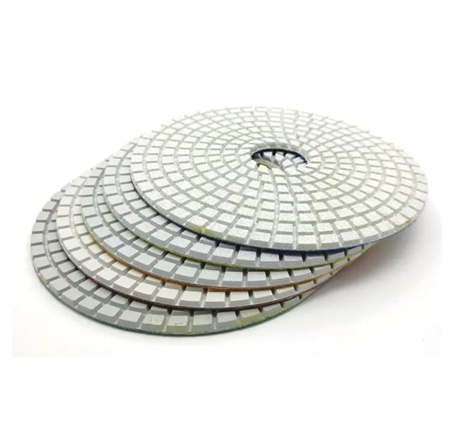
When using diamond polishing pads, avoiding contamination is crucial to maintaining the ultimate performance and longevity of your tools. As a leading diamond polishing pad manufacturer from China, we understand the importance of clean and effective polishing. Here are some key practices to ensure your diamond pads remain in top condition.

How to Avoid Contamination When Using Diamond Pads
1. Clean Your Pads Regularly: Just like you wouldn’t leave your kitchen utensils dirty, your diamond pads need regular cleaning. Dust, debris, and residue can clog the diamond particles, reducing their efficiency. Rinse your pads thoroughly with water after each use and let them dry completely before storing them.
2. Use Appropriate Cleaning Agents: For stubborn residue, use a mild cleaning solution specifically designed for diamond pads. Avoid harsh chemicals that can damage the pad or interfere with its performance. A gentle brush can help remove particles that water alone might not reach.
3. Store Pads Properly: Proper storage is essential. Keep your diamond pads in a clean, dry place away from contaminants. Avoid stacking them directly on top of each other to prevent any potential transfer of debris. Use a designated storage container if possible.
4. Monitor Pad Condition: Regularly inspect your pads for signs of wear and tear. Contaminated or damaged pads can negatively impact the polishing process and the quality of the finish. Replace any pads showing significant signs of degradation to maintain optimal performance.
How to Avoid Contamination When Using Diamond Pads
5. Avoid Cross-Contamination: When using multiple pads for different applications or surfaces, ensure they are not cross-contaminated. Use separate pads for different tasks and clean them thoroughly between uses. This practice prevents residue from one task affecting the quality of another.
6. Train Your Team: Educate anyone using the diamond pads on best practices for cleaning and handling. Proper training helps in maintaining consistency and ensuring that all team members follow the same high standards of care.
7. Use Quality Pads: Invest in high-quality diamond pads from reputable manufacturers. Quality pads are less likely to shed particles or degrade rapidly, which helps in reducing the risk of contamination. As a manufacturer, we take pride in producing pads that meet the highest standards.
By following these guidelines, you can ensure your diamond polishing pads remain effective and reliable. For those in the industry, from wholesalers and importers to retail stores, maintaining the cleanliness and quality of your diamond pads is crucial for delivering superior results. Incorporate these practices into your routine to keep your diamond pads performing at their best and avoid contamination issues.
How to Avoid Contamination When Using Diamond Pads
For more tips and to explore our range of diamond polishing pads, please visit our website. We offer a variety of products tailored to meet your specific needs, whether you’re looking for pads for granite, concrete, or other surfaces. As your trusted diamond polishing pad supplier, we are committed to providing you with the best tools and support for your polishing needs.

Categories
Uncategorized

Diamond Pads Buying Guide for First-Time Buyers

Diamond Pads Buying Guide for First-Time Buyers
Welcome to the world of diamond polishing pads! If you’re a first-time buyer, you might feel overwhelmed by the array of options available. Fear not, as we will guide you through the essentials to make an informed decision that best suits your needs.
Understanding Diamond Polishing Pads
Diamond polishing pads are indispensable tools used for grinding and polishing surfaces, especially in the stone and concrete industries. These pads are embedded with industrial-grade diamonds, which make them highly effective for achieving a high-quality finish. Their applications range from polishing granite, marble, and concrete to other hard surfaces.

Diamond Pads Buying Guide for First-Time Buyers
Types of Diamond Polishing Pads
1. Wet vs. Dry Pads: Wet pads are used with water and are ideal for polishing stone surfaces, as the water helps to cool the pad and reduce dust. Dry pads, on the other hand, are used without water and are suitable for surfaces where water is not desirable or practical.
2. Flexibility: Polishing pads come in various flexibility levels. Flexible pads are great for uneven surfaces and intricate work, while rigid pads are ideal for flat, even surfaces.
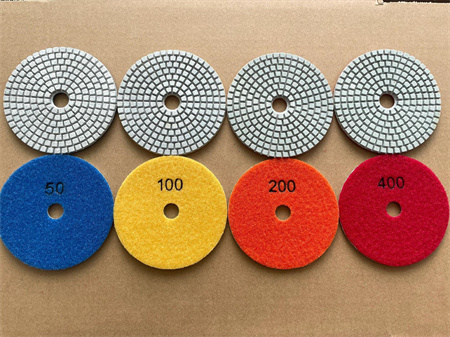
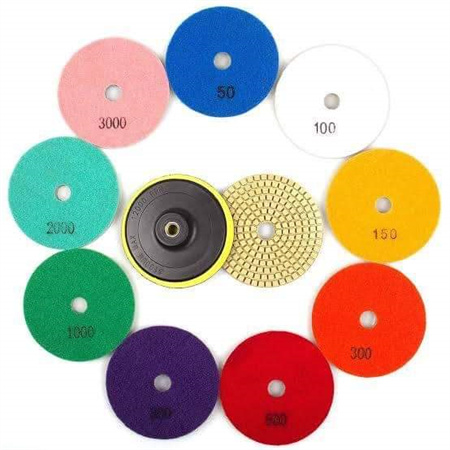
3. Grit Sizes: Grit size determines the coarseness or fineness of the pad. Coarse pads (lower grit numbers) are used for heavy grinding, while finer pads (higher grit numbers) are used for polishing to a high shine.
Choosing the Right Pad
When selecting a diamond polishing pad, consider the following:
1. Surface Type: Identify the type of surface you will be working on. For granite or marble, use diamond pads specifically designed for stone. For concrete, choose pads that are optimized for hard, abrasive surfaces.
2. Pad Size: Ensure the pad size matches the equipment you are using. Common sizes include 4 inches and 7 inches, but always check compatibility with your machine.
Diamond Pads Buying Guide for First-Time Buyers
3. Grit Range: Choose a range of grits to accommodate different stages of polishing. For example, start with a coarse grit to remove scratches and finish with a finer grit for a smooth, glossy surface.
Key Considerations for First-Time Buyers
1. Durability: Look for pads that offer durability and long-lasting performance. High-quality diamond pads may have a higher initial cost but can be more economical in the long run due to their longevity.
Diamond Pads Buying Guide for First-Time Buyers
2. Manufacturer and Brand: Opt for well-known manufacturers and trusted brands. Reputable companies often provide higher quality products and better customer support.
3. Price vs. Quality: Balance your budget with the quality of the pads. While cheaper pads may seem appealing, they might not offer the performance and lifespan you need.
4. Reviews and Ratings: Research customer reviews and ratings to gauge the effectiveness and reliability of the pads you are considering. This feedback can provide valuable insights into the performance and durability of the pads.
Buying in Bulk
If you’re a wholesaler, importer, or store owner, buying in bulk can offer cost savings and ensure you have a steady supply of pads. When buying wholesale, ensure you establish a good relationship with the supplier to get the best deals and terms.
Where to Buy
You can source diamond polishing pads from various suppliers, including specialized polishing pad manufacturers and online marketplaces. Look for suppliers that offer a range of products, good customer service, and reliable shipping.
Final Thoughts
Selecting the right diamond polishing pad involves understanding your specific needs, evaluating different types and features, and considering factors such as surface type and pad durability. By delving into these aspects, you can make an informed choice that will enhance your polishing projects and deliver the ultimate finish.
Armed with this guide, you’re ready to navigate the world of diamond polishing pads with confidence. Whether you’re a DIY enthusiast or a professional in the industry, the right pads will make all the difference in achieving a flawless result.

Categories
Uncategorized

Everything You Need to Know About OEM Diamond Pads

Everything You Need to Know About OEM Diamond Pads
When it comes to achieving the perfect finish on surfaces, diamond polishing pads are indispensable. These pads, often crafted by OEM (Original Equipment Manufacturer) suppliers, are renowned for their durability and effectiveness in polishing various materials. This guide will delve into everything you need to know about OEM diamond pads, covering their benefits, applications, and key considerations for buyers.
Understanding OEM Diamond Pads
OEM diamond pads are high-quality polishing tools made by manufacturers who supply directly to other brands. These pads are embedded with industrial-grade diamonds, making them highly effective at grinding and polishing surfaces. The ultimate goal of these pads is to provide a smooth, polished finish on materials like concrete, granite, marble, and even glass.
Why Choose OEM Diamond Pads?
Opting for OEM diamond pads comes with numerous advantages. Firstly, these pads are designed to meet rigorous standards, ensuring that they deliver consistent performance and durability. Unlike generic pads, OEM diamond pads often come with a guarantee of superior quality and craftsmanship. They are engineered to work seamlessly with specific machinery, providing optimal results with less effort.
Applications of Diamond Polishing Pads
Diamond polishing pads have versatile applications. They are commonly used in the construction and renovation industries for polishing concrete floors, countertops, and walls. Additionally, they are essential in the stone industry for finishing granite and marble surfaces. In the automotive and aerospace sectors, these pads are used to achieve high-gloss finishes on various components.
Key Considerations When Buying OEM Diamond Pads
1. Material Compatibility: Ensure that the diamond pads you choose are compatible with the material you intend to polish. Different pads are designed for different surfaces, and using the wrong type can affect the quality of the finish.
2. Pad Grit: Diamond pads come in various grits, from coarse to fine. Coarser pads are used for heavy grinding, while finer pads are used for finishing and achieving a high-gloss shine. Choosing the right grit is crucial for achieving the desired outcome.
3. Pad Size and Shape: Depending on your machine and the surface area you need to polish, you may require pads in different sizes and shapes. Ensure that the pads you select fit your equipment and meet your specific needs.
4. Durability and Longevity: The lifespan of diamond pads can vary based on their quality and the intensity of use. Opt for pads made from high-quality materials to ensure they last longer and perform better.
5. Cost and Value: While OEM diamond pads may come at a higher price compared to generic options, they often provide better performance and longevity. Consider the value they offer in terms of efficiency and durability.

Everything You Need to Know About OEM Diamond Pads
Finding the Right OEM Supplier
When sourcing OEM diamond pads, it’s essential to find a reliable manufacturer. Look for suppliers with a strong track record in the industry and positive reviews from previous clients. Reputable suppliers should provide detailed product specifications and be transparent about their manufacturing processes.
Keywords for SEO Optimization
Everything You Need to Know About OEM Diamond Pads
To ensure your article reaches the right audience, consider incorporating the following keywords:
– OEM diamond pads
– Diamond polishing pads
– Diamond polishing pad suppliers
– Diamond pad manufacturer
– Concrete polishing pads
– Granite polishing pads
– Marble polishing pads
– Industrial diamond pads
– Diamond abrasives
– Polishing tools
Everything You Need to Know About OEM Diamond Pads
Conclusion
In summary, OEM diamond pads are a crucial tool for achieving high-quality finishes across various applications. By understanding their benefits, applications, and key considerations, you can make informed decisions and choose the best products for your needs. Whether you are a wholesaler, retailer, or end-user, selecting the right diamond pads will ultimately contribute to superior polishing results and enhanced surface quality.

Categories
Uncategorized

Extending the Lifespan of Your Diamond Polishing Tools

Extending the Lifespan of Your Diamond Polishing Tools
When it comes to maintaining the quality and efficiency of your diamond polishing tools, a proactive approach can significantly extend their lifespan. For professionals in the industry, whether you’re a wholesaler, retailer, or end-user, knowing how to care for and maintain these essential tools is crucial. This guide will provide you with practical tips and insights to ensure your diamond polishing pads and related tools perform at their best for as long as possible.
1. Understanding Your Diamond Polishing Tools

Extending the Lifespan of Your Diamond Polishing Tools
Diamond polishing tools are renowned for their durability and efficiency in delivering a high-quality finish on various surfaces. These tools, including diamond polishing pads, diamond discs, and diamond grinding wheels, are designed to handle tough materials such as granite, marble, concrete, and terrazzo. Understanding the specific type of diamond tool you have is the first step in effective maintenance. For example, diamond polishing pads are often used for achieving a smooth, glossy finish, while diamond discs might be preferred for aggressive grinding.
2. Proper Usage Techniques
One of the most effective ways to extend the lifespan of your diamond polishing tools is by using them correctly. Always ensure that the tool is suited for the specific job and material. Overloading the tool or using it on inappropriate surfaces can lead to premature wear and tear. For diamond polishing pads, use them according to the recommended speed and pressure guidelines. Excessive pressure can cause the diamond segments to wear down faster, reducing the tool’s effectiveness.
3. Regular Cleaning
Cleaning your diamond polishing tools after each use is essential. Accumulated residue can affect the tool’s performance and lead to uneven results. For diamond polishing pads, use a soft brush or compressed air to remove debris. For more thorough cleaning, you can rinse the pads with water and allow them to dry completely before storage. Avoid using harsh chemicals that might damage the tool’s surface or compromise its integrity.
4. Proper Storage
Storing your diamond polishing tools properly can significantly impact their longevity. Ensure that the tools are kept in a dry, cool place to prevent moisture-related issues such as rust or corrosion. For diamond polishing pads, it’s best to store them flat and avoid stacking them to prevent deformities. Using protective covers or cases can also help keep the tools free from dust and damage.
5. Regular Inspection and Maintenance
Routine inspections of your diamond polishing tools can help identify potential issues before they become significant problems. Check for signs of wear, such as uneven diamond distribution or loss of abrasive material. For diamond grinding wheels and discs, ensure that they are properly balanced and that there are no visible cracks or damage. Regular maintenance, such as dressing the diamond surface or replacing worn-out pads, will keep your tools in optimal condition.
6. Choosing Quality Products
Investing in high-quality diamond polishing tools can make a significant difference in their durability and performance. When selecting tools, consider reputable manufacturers and suppliers known for their quality products. For those in the wholesale or retail sector, partnering with reliable suppliers who offer high-grade diamond tools will not only benefit your business but also ensure customer satisfaction.
7. Understanding the Importance of Diamond Quality
The quality of the diamonds used in polishing pads and tools can affect their performance and lifespan. Higher-quality diamonds are more durable and provide better results over time. When purchasing diamond polishing tools, pay attention to the grade and quality of the diamonds used. This can help you make informed decisions and choose products that offer superior longevity and efficiency.
8. Addressing Common Issues
Even with proper care, diamond polishing tools may encounter issues. For instance, if you notice that your diamond polishing pad is not delivering the desired finish, it might be due to clogged or worn-out diamonds. In such cases, cleaning or replacing the pad can resolve the issue. For more complex problems, consulting with a professional or the tool manufacturer can provide guidance and solutions.
9. Keeping Up with Industry Trends
The diamond polishing tool industry is constantly evolving, with new technologies and innovations emerging regularly. Staying informed about industry trends and advancements can help you choose the most effective tools and techniques for your needs. For professionals, attending trade shows, reading industry publications, and engaging with manufacturers can provide valuable insights and updates.
In conclusion, extending the lifespan of your diamond polishing tools involves a combination of proper usage, regular maintenance, and informed purchasing decisions. By understanding the specific needs of your tools and following best practices for care and storage, you can ensure that they continue to perform efficiently and deliver exceptional results. For businesses, investing in high-quality products and maintaining a strong relationship with reliable suppliers will contribute to long-term success and customer satisfaction in the diamond polishing industry.

Extending the Lifespan of Your Diamond Polishing Tools

Categories
Uncategorized

Tips for Polishing Large Areas with Diamond Pads

Tips for Polishing Large Areas with Diamond Pads
Polishing large surfaces can be a daunting task, but with the right tools and techniques, you can achieve a smooth, glossy finish efficiently and effectively. Diamond polishing pads are essential in this process, offering superior performance and durability. Here’s a guide to help you master the art of polishing large areas using diamond pads, drawing on insights that will ensure you get the most out of your tools.
1. Choose the Right Diamond Pad for the Job
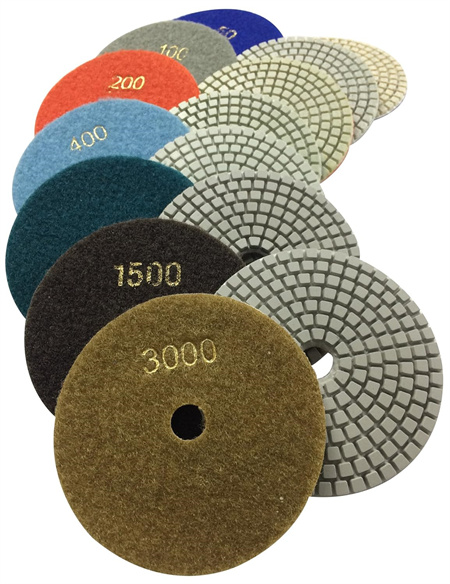
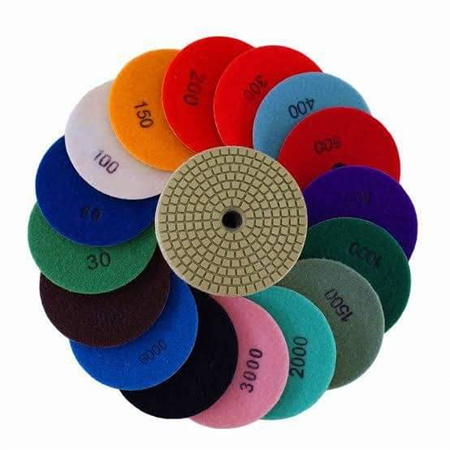
When tackling large surfaces, selecting the appropriate diamond polishing pad is crucial. Diamond pads come in various grits and types, each designed for specific tasks. For initial grinding and heavy-duty work, coarser grits (like 30 or 50) are ideal. For a finer finish, you’ll transition to medium and fine grits (such as 100, 200, and up to 3000). The grit you choose will depend on the condition of the surface and the level of finish you desire.
2. Prepare Your Surface
Preparation is key to a successful polishing job. Start by thoroughly cleaning the surface to remove any debris, dust, or stains. If the surface has deep scratches or imperfections, consider using a more aggressive diamond pad first to level it out before moving to finer grits. Proper preparation ensures that the diamond pads can work efficiently and that the final finish will be smooth and even.
3. Use Proper Equipment
For large areas, using a high-quality floor polisher or grinder fitted with diamond pads will make the job easier and more effective. Ensure that the equipment is compatible with the diamond pads you’re using. Rotary or planetary polishers are often preferred for their ability to cover larger areas uniformly. Regularly check the equipment and diamond pads for wear and replace them as needed to maintain optimal performance.
4. Maintain Even Pressure
Applying even pressure while polishing is essential for achieving a consistent finish. Uneven pressure can result in uneven wear on the diamond pads and lead to streaks or other imperfections on the surface. Use a steady, overlapping pattern to ensure that the entire area is polished uniformly. This method not only improves the final appearance but also prolongs the life of your diamond pads.
5. Monitor Pad Wear
Diamond pads are designed for durability, but they do wear out over time. Regularly inspect your pads for signs of wear or damage. Using worn or damaged pads can affect the quality of the finish and lead to uneven results. If you notice any significant wear, replace the pads to maintain the quality of your work.
6. Maintain the Right Speed
The speed of your polisher can significantly impact the polishing process. Too high a speed can lead to overheating and damage both the pads and the surface, while too low a speed may result in ineffective polishing. Adjust the speed according to the type of pad and the surface you are working on. Typically, medium to high speeds work well for diamond pads, but always refer to the manufacturer’s guidelines for optimal settings.
7. Use Proper Technique
When polishing, it’s important to follow the right technique. For large areas, work in sections and ensure that each section is fully polished before moving on to the next. This approach helps in maintaining consistency and avoiding missed spots. Pay attention to the edges and corners, as these areas can sometimes be overlooked but are crucial for a professional finish.
8. Clean the Surface Post-Polishing
After completing the polishing process, clean the surface thoroughly to remove any residue from the diamond pads. This step is important to reveal the true finish and ensure that no particles are left behind that could dull the surface over time. Use a suitable cleaner and a clean cloth to wipe down the area.
9. Understand the Applications
Different surfaces and applications may require different approaches. For example, concrete floors, granite countertops, and marble surfaces each have unique characteristics and may require specific diamond pad types and techniques. Understanding the particular requirements of the surface you’re working on will help you choose the right diamond pads and achieve the best results.

Tips for Polishing Large Areas with Diamond Pads
10. Invest in Quality
Lastly, investing in high-quality diamond polishing pads and equipment pays off in the long run. High-quality pads last longer, perform better, and produce superior finishes compared to lower-quality alternatives. When selecting diamond pads, look for reputable manufacturers and suppliers who offer durable and reliable products.
By following these tips, you can ensure a successful polishing process for large areas using diamond pads. Whether you are a contractor, importer, wholesaler, or store owner, understanding and applying these practices will enhance your polishing results and make your projects shine.
Tips for Polishing Large Areas with Diamond Pads

Categories
Uncategorized

Polishing Stone Facades with Diamond Pads

Polishing Stone Facades with Diamond Pads
When it comes to enhancing the appearance of stone facades, diamond pads stand out as the ultimate tool. Whether you’re a wholesaler, retailer, or a contractor working with stone surfaces, understanding how to polish stone facades with diamond pads can transform your work and elevate the quality of your projects.
Understanding Diamond Pads
Diamond pads are revolutionary in the realm of stone surface polishing. They are specifically designed to polish and smoothen stone facades using diamond particles embedded in the pad. The diamond particles offer unmatched hardness and durability, which makes them ideal for achieving a flawless finish on stone surfaces.
The Polishing Process
1. Preparation: Before starting, ensure the stone surface is clean and free of debris. This step is crucial for achieving an even polish. Use a vacuum or a damp cloth to remove any dust or dirt from the stone facade.
2. Choosing the Right Pad: Diamond polishing pads come in various grits, ranging from coarse to fine. For initial surface preparation, coarse pads are used to remove imperfections and unevenness. For finishing touches, fine pads are employed to achieve a high-gloss shine.
3. Polishing Technique: Attach the diamond pad to a polishing machine and begin working on the stone surface. Move the machine in a consistent, overlapping pattern to ensure even coverage. Keep the pad and the stone surface well-lubricated with water or a polishing solution to prevent overheating and to enhance the pad’s effectiveness.
4. Final Touches: After polishing with finer grits, the stone surface should exhibit a smooth, glossy finish. Wipe the surface clean and inspect it for any missed spots or imperfections. Additional polishing may be required to achieve the ultimate shine.
Benefits of Using Diamond Pads
The use of diamond pads offers several advantages in stone polishing:
– Durability: Diamond pads last longer than traditional abrasives, making them cost-effective over time.

Polishing Stone Facades with Diamond Pads
– Consistency: They provide a uniform finish, reducing the risk of uneven polishing.
Polishing Stone Facades with Diamond Pads
– Efficiency: Diamond pads cut through stone quickly and effectively, speeding up the polishing process.
Industry Applications
Diamond polishing pads are versatile and can be used for various applications beyond stone facades. They are essential in the granite and marble industries, where precision and quality are paramount. Additionally, they are valuable in refurbishing and maintaining high-end stone installations in commercial and residential settings.
Choosing a Supplier
When sourcing diamond polishing pads, it’s important to select a reputable supplier. Look for manufacturers with a proven track record in producing high-quality diamond pads. Suppliers should offer a range of products to meet different polishing needs and provide excellent customer support.
Keywords for Further Research
For those delving deeper into the world of diamond polishing pads, consider exploring the following keywords:
– Diamond Polishing Pads
Polishing Stone Facades with Diamond Pads
– Stone Facade Polishing
– Wholesale Diamond Pads
– Marble Polishing Pads
– Granite Polishing Tools
– Stone Surface Finish
– Polishing Machine Accessories
– High-Gloss Stone Finish
Conclusion
Polishing stone facades with diamond pads is an art that combines technology and technique. By using the right pads and following proper polishing procedures, you can achieve a stunning finish that enhances the natural beauty of stone surfaces. Whether you’re a wholesaler, a contractor, or a retailer, understanding the role of diamond pads in stone polishing will help you provide superior products and services in the industry.

Categories
Uncategorized

What Makes a High-Quality Diamond Polishing Pad Supplier

What Makes a High-Quality Diamond Polishing Pad Supplier
When it comes to sourcing diamond polishing pads, not just any supplier will do. High-quality diamond polishing pads are crucial for achieving a superior finish on a variety of surfaces, whether you’re working with concrete, granite, or marble. For importers, wholesalers, and retailers seeking reliable suppliers, understanding the key attributes that define a top-notch provider can make all the difference. Here’s a detailed look at what sets exceptional diamond polishing pad suppliers apart.
Expertise in the Industry
A reputable diamond polishing pad supplier should possess extensive expertise in the industry. This means they not only understand the intricacies of diamond technology but also have a deep knowledge of the materials and processes involved. For instance, high-quality suppliers will be familiar with the different types of diamonds used, such as industrial-grade diamonds or synthetic diamonds, and how each impacts polishing efficiency and longevity.
Quality Assurance
The hallmark of a great supplier is their commitment to quality assurance. They should have stringent quality control processes in place to ensure that every pad meets industry standards. This includes using advanced testing methods to check the durability, consistency, and performance of their products. High-quality diamond polishing pads should offer superior cutting performance, a long lifespan, and consistent results. Suppliers that emphasize quality assurance are often more trustworthy and reliable.
Innovative Technology and Production
Look for suppliers who invest in innovative technology and modern production techniques. This might include using advanced bonding technologies, precision grinding, and state-of-the-art machinery to create polishing pads that deliver optimal performance. For instance, suppliers who utilize laser welding or resin bond technology can provide pads that are more efficient and durable, which translates to better results for your clients.
Range of Products
A leading supplier should offer a wide range of diamond polishing pads to cater to various applications. This includes different grits, sizes, and types of pads suited for concrete, granite, marble, and other surfaces. Whether you need pads for heavy grinding or fine polishing, a diverse product range ensures that you can meet the specific needs of your customers. Additionally, having various options allows you to offer tailored solutions to your clients.
Customization Options

What Makes a High-Quality Diamond Polishing Pad Supplier
Another important aspect is the ability to provide customized solutions. Top suppliers often offer customization options to meet specific requirements, whether it’s adjusting the pad’s size, grit, or bond type. Customization ensures that you can offer products that perfectly match the unique needs of different applications, enhancing the value you provide to your clients.
Strong Supply Chain and Logistics
What Makes a High-Quality Diamond Polishing Pad Supplier
Efficient supply chain management and logistics are crucial for timely delivery and consistent supply. A high-quality supplier should have a robust logistics network that ensures prompt shipping and reliable delivery schedules. They should also be capable of handling bulk orders efficiently, making it easier for wholesalers and retailers to maintain stock and meet customer demands.
Competitive Pricing and Value
While high-quality products are essential, competitive pricing is also a key factor. A reputable supplier should offer fair and transparent pricing structures without compromising on quality. They should provide value for money, ensuring that your investment translates into high-performing, long-lasting products. This balance of cost and quality can greatly impact your business’s profitability and customer satisfaction.
Customer Support and Service
What Makes a High-Quality Diamond Polishing Pad Supplier
Exceptional customer service is a mark of a high-quality supplier. From pre-sale consultations to post-sale support, a supplier should be responsive, knowledgeable, and helpful. They should assist with product selection, provide technical support, and address any concerns or issues promptly. Strong customer support builds trust and fosters long-term relationships, making it easier to work together and resolve any potential challenges.
Reputation and Reviews
Finally, a reliable way to gauge the quality of a diamond polishing pad supplier is through their reputation and customer reviews. Look for suppliers with positive feedback from past clients, as this indicates a proven track record of delivering high-quality products and services. Testimonials and case studies can offer valuable insights into the supplier’s reliability and performance.
In conclusion, finding a high-quality diamond polishing pad supplier involves evaluating several key factors, including their industry expertise, commitment to quality assurance, use of innovative technology, product range, customization options, logistics capabilities, competitive pricing, and customer support. By focusing on these attributes, importers, wholesalers, and retailers can ensure they partner with a supplier who not only meets but exceeds their expectations, leading to better outcomes and greater success in their business ventures.

Categories
Uncategorized

New Buffing Pads for High-Gloss Stone Polishing

额度 不足,当前使用次数:4460 当前使用量 4402947 token, token上限:4400000

New Buffing Pads for High-Gloss Stone Polishing

Categories
Uncategorized

How to Handle Corners and Edges When Polishing Stone

When it comes to polishing stone, handling corners and edges can be quite the challenge. These areas are often where imperfections are most noticeable, and achieving a flawless finish requires a bit of finesse. Here’s how to tackle these tricky spots and ensure your stone surfaces look impeccable.
First, understanding the nuances of corners and edges is key. Unlike flat surfaces, these areas require specialized attention due to their unique angles and potential for unevenness. To begin, you’ll want to select the right diamond polishing pad. Diamond pads come in various grits, so choosing the correct grit is essential for the job at hand. For corners and edges, a finer grit will often be necessary to achieve a smooth finish without leaving scratches.

How to Handle Corners and Edges When Polishing Stone
When starting, use a smaller diamond pad designed specifically for corners and edges. These pads are typically more flexible and can conform to the shape of the stone, allowing for a more even polish. It’s crucial to apply consistent pressure, avoiding too much force which could damage the stone or the pad. Move the pad in small, controlled motions to work the entire area evenly.
As you delve deeper into the process, it’s important to regularly check your progress. Use a clean cloth to wipe away any residue and inspect the surface for any missed spots. If imperfections persist, consider using a more aggressive pad to first remove larger blemishes before switching to a finer pad for the final polish.
For those dealing with larger batches or commercial projects, wholesale diamond polishing pads can be an ultimate solution. Sourcing pads from reputable manufacturers ensures that you have access to high-quality products that can handle the demands of professional polishing. Whether you’re a distributor, retailer, or a large-scale operator, finding a reliable supplier is crucial. Look for manufacturers who offer a range of pad types and grits, as this variety can make a significant difference in achieving the desired finish.
How to Handle Corners and Edges When Polishing Stone
In addition to selecting the right pad, understanding the application of these tools in different scenarios is beneficial. For instance, when polishing natural stone, be aware that different stones may react differently to polishing. Granite, marble, and limestone each have unique properties that can affect how the polishing process should be handled.
For those in the industry, keeping up with the latest innovations in diamond polishing technology can provide an edge. Newer pad formulations and designs offer improved performance and durability, making the polishing process more efficient and effective. Consider staying informed through industry publications and networking with other professionals to keep abreast of the latest developments.
How to Handle Corners and Edges When Polishing Stone
In summary, polishing corners and edges in stone requires careful attention to detail and the right tools. Choosing high-quality diamond polishing pads, applying consistent pressure, and regularly checking your progress will help you achieve a flawless finish. Whether you’re handling a single project or large-scale commercial work, sourcing from reputable suppliers and staying updated on industry advancements will ensure that you have the best resources at your disposal.

Categories
Uncategorized

Best Practices for Extending the Life of Resin-Bonded Pads

Best Practices for Extending the Life of Resin-Bonded Pads
When it comes to maintaining the longevity and performance of resin-bonded pads, understanding and implementing best practices is crucial. As a leading manufacturer of diamond polishing pads in China, we know that the right care and handling can make all the difference. Whether you’re an importer, wholesaler, or store owner, these tips will help ensure your resin-bonded pads stay effective and durable for a long time.
1. Understand Your Resin-Bonded Pads
Resin-bonded pads are designed for various applications, including marble, granite, and concrete polishing. These pads use resin as the bonding agent to hold diamond abrasives in place. Knowing the specific type of resin-bonded pad you are using is essential for proper maintenance. Different applications may require different types of pads, so choose wisely based on the surface and job requirements.
2. Proper Storage

Best Practices for Extending the Life of Resin-Bonded Pads
Storing resin-bonded pads correctly is fundamental to extending their life. Keep them in a cool, dry place away from direct sunlight and moisture. Excessive heat or humidity can degrade the resin and reduce the pad’s effectiveness. For wholesale suppliers and importers, ensuring that your storage conditions align with these guidelines can help preserve the quality of your stock.
3. Regular Cleaning
After each use, clean your resin-bonded pads thoroughly to remove any debris or residues. This can be done using a soft brush or a damp cloth. Avoid using harsh chemicals or abrasive cleaners as they can damage the resin bond. Regular cleaning helps maintain the pad’s cutting efficiency and prevents clogging, which can impair performance.
4. Avoid Overloading
When using resin-bonded pads, avoid applying excessive pressure. Overloading can cause the pads to wear out faster and may even lead to premature failure. Follow the manufacturer’s recommendations for pressure and speed to ensure optimal performance and longevity. For those in the wholesale and retail sectors, educating customers about these usage guidelines can reduce premature pad replacement and enhance customer satisfaction.
5. Monitor Wear and Tear
Keep a close eye on the condition of your resin-bonded pads. Over time, the diamond abrasives will wear down, affecting the pad’s efficiency. Regularly inspecting the pads and replacing them when necessary ensures that you maintain high polishing standards. For distributors, offering guidance on how to identify signs of wear can help clients make informed decisions about when to replace their pads.
6. Proper Installation and Handling
Proper installation and handling are key to maximizing the lifespan of resin-bonded pads. Ensure that pads are correctly mounted on the polishing machine and that they are aligned properly. Misalignment can lead to uneven wear and decreased performance. Handle pads with care to avoid accidental damage during installation or transportation.
7. Use the Right Techniques
When using resin-bonded pads, employing the correct polishing techniques is crucial. Follow recommended procedures for speed, pressure, and application method. Using the wrong techniques can lead to inefficient polishing and faster wear. For manufacturers and suppliers, providing detailed usage instructions and training can help users achieve the best results.
8. Temperature Control
Excessive heat can adversely affect the resin bond in polishing pads. Ensure that the polishing process is conducted within the temperature range specified by the manufacturer. For wholesale buyers and retailers, emphasizing the importance of temperature control in polishing operations can help extend the life of resin-bonded pads.
9. Regular Maintenance of Equipment
The longevity of resin-bonded pads is also influenced by the condition of the polishing equipment. Regular maintenance and calibration of machinery ensure that pads are used under optimal conditions. For those involved in the B2B sector, suggesting regular equipment maintenance to your clients can contribute to better overall pad performance and durability.
10. Educate Your Customers
For businesses engaged in selling resin-bonded pads, education is key. Provide customers with information on best practices for using and maintaining their pads. This can include guidelines on storage, cleaning, and handling. Offering educational resources not only enhances customer satisfaction but also fosters long-term relationships.
By adhering to these best practices, you can significantly extend the life of resin-bonded pads, ensuring they continue to deliver excellent performance and value. As a leading diamond polishing pad manufacturer, we are committed to supporting our partners and clients with high-quality products and valuable advice. For further information or assistance, feel free to contact us.
Keywords: Resin-bonded pads, diamond polishing pads, marble polishing, granite polishing, concrete polishing, pad maintenance, pad cleaning, pad storage, pad lifespan, polishing techniques, equipment maintenance, wholesale pads, pad distributors, pad importers.