Categories
Uncategorized

Leveraging Online Reviews to Boost Your Diamond Pad Sales

Leveraging Online Reviews to Boost Your Diamond Pad Sales
In today’s digital age, online reviews hold immense power when it comes to influencing purchasing decisions. Consumers are increasingly relying on the experiences of others to guide their own buying choices, especially for products like diamond pads, which can be a significant investment. For businesses in the diamond pad market, leveraging online reviews isn’t just a marketing strategy; it’s a crucial tool that can build trust, increase conversions, and ultimately boost sales.
Leveraging Online Reviews to Boost Your Diamond Pad Sales
The diamond pad industry, known for its specialized products and niche audience, offers unique challenges and opportunities. While word-of-mouth recommendations have always been important, today’s consumer base is more tech-savvy than ever before, and they’re turning to online platforms for guidance. Whether it’s a customer review on an e-commerce site, a comment on a forum, or a post on social media, these reviews are shaping the way people make decisions. For businesses, tapping into this wealth of customer feedback is essential to building credibility and improving visibility in a crowded market.
Building Trust with Authentic Reviews
One of the most powerful aspects of online reviews is their ability to build trust. Potential buyers are often skeptical about claims made by businesses, especially when it comes to high-ticket items like diamond pads. Reviews offer an authentic, unbiased perspective from real customers who have used the product. When someone reads about another customer’s positive experience, especially regarding quality, durability, and effectiveness, it provides reassurance and confidence in their decision.
Encouraging satisfied customers to leave reviews should be a core component of your sales strategy. It’s important to create an easy process for them to share their feedback, whether through follow-up emails, post-purchase incentives, or simple reminders during their customer journey. Moreover, the more reviews a product accumulates, the more credibility it garners. A product with a substantial number of reviews not only seems popular but also has a proven track record of customer satisfaction.
Improving Visibility with Reviews
Search engine optimization (SEO) is another critical aspect that benefits from online reviews. In today’s highly competitive digital marketplace, getting your diamond pads noticed is no easy feat. Reviews play an integral role in boosting your website’s SEO ranking. When customers leave reviews, they generate fresh, unique content that search engines love. These reviews, particularly if they include specific product details, keywords, and experiences, can drive traffic to your website and increase its visibility.
Google, for example, takes reviews into account when determining how to rank products and businesses in search results. If your diamond pad product has a higher volume of positive reviews, it’s likely to appear higher in search rankings, making it easier for potential customers to discover your offerings. The more reviews you receive, the more likely your products will stand out among the competition.
Turning Negative Reviews into Opportunities
It’s inevitable that not all reviews will be positive. Negative reviews may seem discouraging, but they provide a valuable opportunity for growth. Handling negative feedback professionally and constructively can demonstrate your commitment to customer satisfaction. Responding to a dissatisfied customer with empathy and a genuine desire to resolve the issue can not only improve that individual’s experience but also show other potential buyers that you care about delivering quality service.
Negative reviews can also provide insight into potential areas of improvement for your diamond pads. Perhaps there’s a recurring complaint about the durability or the design of your product. Addressing these concerns and using the feedback to make necessary adjustments can help you create a better product and ultimately increase sales.
Social Proof: Harnessing the Power of Word-of-Mouth
Social proof is a psychological phenomenon where people look to the actions and opinions of others to determine their own behavior. When potential customers see that others have purchased and reviewed your diamond pads positively, they are more likely to trust that your product is a worthwhile investment. Testimonials, reviews, and user-generated content serve as social proof that reassures buyers and nudges them towards making a purchase.
Beyond just posting reviews on e-commerce websites, consider showcasing them on your social media platforms or in email newsletters. Sharing customer stories, photos, and experiences not only builds trust but also humanizes your brand. Potential customers are more likely to connect with real stories, and this connection can translate into increased sales.
Encouraging Repeat Business
Online reviews can also play a key role in building customer loyalty. Happy customers who feel heard and appreciated are more likely to return and make repeat purchases. By actively engaging with reviews, offering incentives for repeat business, and demonstrating that customer feedback is valued, businesses can cultivate a loyal customer base.
Additionally, reviews are often a reflection of the overall customer experience. Businesses that pay attention to their customer’s needs, respond promptly to inquiries, and consistently deliver quality products are more likely to see positive reviews and repeat purchases.
Conclusion
In a market as competitive and specialized as diamond pads, online reviews can be a game changer. Not only do they help build trust, improve SEO, and drive traffic, but they also provide valuable feedback that can inform product improvements. For businesses looking to increase sales and grow their brand presence, harnessing the power of online reviews is no longer optional; it’s essential. By actively encouraging positive reviews, responding to feedback, and using customer insights to refine your offerings, you can transform online reviews from a simple tool into a powerful sales-driving strategy.
Categories
Uncategorized

Tips for Polishing Stone in High-Humidity Conditions

Tips for Polishing Stone in High-Humidity Conditions
When it comes to polishing stone, achieving that smooth, glossy finish can be a challenging task—especially when humidity levels are high. Moisture in the air can significantly affect both the process and the outcome. Whether you’re working with granite, marble, or another type of natural stone, understanding how humidity interacts with your materials and tools is key to success.
Humidity affects stone in a number of ways. It can make surfaces more difficult to work with, cause certain stones to absorb more water than usual, or even alter the behavior of polishing compounds and tools. But don’t worry—there are effective ways to overcome these challenges and achieve the perfect polished stone surface, even in less-than-ideal conditions.
Start by selecting the right tools for the job. In high-humidity environments, it’s essential to choose polishing pads and compounds that are resistant to moisture. Certain pads, especially those made from synthetic materials, tend to absorb water, which can lead to uneven polishing or, worse, damage the surface. Opt for dry-use pads or ones specifically designed for wet environments. Wet polishing pads are generally the best choice in humid conditions because they are designed to keep the stone moist, which helps with the polishing process and prevents the stone from overheating.
Before beginning the polishing process, ensure that the stone’s surface is completely clean and dry. While this might sound like an obvious step, it’s crucial in humid conditions because moisture can accumulate on the stone’s surface, leading to imperfections during polishing. Use a soft cloth or microfiber towel to wipe down the surface thoroughly. Any leftover dust, dirt, or moisture can cause the polishing compound to clump or apply unevenly, leading to streaks and a lackluster finish.
Humidity can also impact the drying time of your stone and the compounds you use. In high-moisture areas, it’s important to let the stone surface dry completely before you start polishing. Allow extra time for drying, especially if the stone is particularly porous. In some cases, using a heat gun or hair dryer on a low setting can speed up the process, but this should be done cautiously to avoid damaging the stone.

Tips for Polishing Stone in High-Humidity Conditions
When you start the polishing process, always work in small sections. It’s easy to become overzealous and try to polish large areas at once, but in a humid environment, it’s better to take your time. This way, you can monitor the moisture level and adjust your technique accordingly. Moving slowly allows you to focus on any areas where humidity might be causing streaks or unevenness.
The type of polishing compound you choose will also play a role in achieving a smooth finish. In humid environments, opt for a compound that is formulated to resist moisture absorption. Some compounds are designed specifically for wet conditions, and these will often provide a much more consistent finish, even in high-humidity settings. Liquid compounds are preferable to powder-based ones in humid climates, as powders can clump or react poorly when exposed to excess moisture.
Temperature also affects polishing in humid conditions. While the humidity might be high, the temperature can still vary. If the stone is cold, the polishing compound may not spread as evenly, and the stone’s surface could become too hard to polish effectively. If the stone is too hot, excess moisture in the air can cause it to absorb water, which can result in uneven finishes. Keep an eye on both the temperature and humidity to ensure the ideal conditions for polishing.
To keep the stone’s surface from absorbing too much moisture, consider using a protective sealer before starting the polishing process. A good quality sealer can help prevent excess moisture from seeping into the stone, reducing the risk of water damage or discoloration. Be sure to let the sealer dry thoroughly before proceeding with any polishing to avoid uneven results.
One final tip is to be patient. Polishing stone in high-humidity conditions may take longer than usual, but the end result will be well worth the effort. With the right tools, the right technique, and an eye on moisture levels, you’ll be able to achieve a professional-grade finish, even in challenging conditions. Taking the time to adjust your approach to the unique demands of the environment will not only make the job easier but also ensure a stunning, glossy result that will last for years.
In conclusion, while polishing stone in high-humidity conditions presents a few additional hurdles, it’s far from impossible. With careful preparation, the right tools, and an understanding of how humidity impacts the materials you’re working with, you can achieve a beautiful, smooth finish. Whether you’re a professional stone worker or an enthusiast working on a DIY project, these tips will help you polish stone to perfection, regardless of the weather outside.

Categories
Uncategorized

Why Bond Type Matters in Diamond Pad Applications

Why Bond Type Matters in Diamond Pad Applications
In the world of precision grinding and polishing, diamond pads are crucial tools for achieving high-quality finishes on a range of materials, from metals to ceramics. While the diamonds themselves are often the star of the show due to their unparalleled hardness and sharpness, the bond type that holds these diamonds in place is just as important—perhaps even more so than many realize. Understanding why bond type matters can help manufacturers, engineers, and technicians select the right diamond pad for their specific application, optimizing performance and results.
At the heart of any diamond pad is the bond, the material that secures the diamonds to the pad’s surface. The bond type affects everything from how the diamond particles are released during grinding or polishing, to how the pad interacts with the workpiece and maintains its effectiveness over time. Bond types are typically categorized as metal, resin, ceramic, and electroplated, and each one brings distinct benefits and challenges.
Take metal bonds, for instance. These bonds are known for their strength and durability. Metal-bonded diamond pads are highly resistant to wear and tear, making them ideal for heavy-duty applications where long-lasting performance is crucial. However, because the bond is harder, it tends to release diamonds more slowly, which means the pads may not provide as aggressive a cut as resin bonds. But for operations that require consistent performance over a long period, like grinding concrete or polishing hard metals, metal-bonded pads can offer a level of stability and longevity that other bond types simply can’t match.
On the other end of the spectrum, resin bonds are softer and more flexible. Resin-bonded pads are popular for applications that require finer finishes and faster material removal. These pads are especially favored in industries like semiconductor manufacturing or the production of optical lenses, where precision is paramount. The softer resin bond allows for quicker diamond exposure, delivering a more aggressive cut at the start of the process. However, the trade-off is that resin bonds wear down faster than metal bonds, which means they may need to be replaced more often—something to consider if the application involves high-volume work or extended use.
Ceramic bonds represent a middle ground between metal and resin bonds, offering a blend of strength, durability, and flexibility. Ceramic-bonded diamond pads can provide consistent cutting action with less wear than resin bonds, while also offering a more controlled release of diamond particles than metal bonds. This makes ceramic bonds an appealing option for applications requiring a balance between speed and finish quality, such as the precision grinding of ceramics or the production of high-performance automotive components.
Electroplated bonds are another option, known for their ability to hold diamonds in a very precise manner. Electroplating involves the deposition of a thin layer of metal onto the pad, creating a rigid bond that holds the diamonds firmly in place. These pads are typically used in very specific, high-precision applications such as shaping or profiling hard materials. They provide excellent control and minimal wear, making them ideal for fine-tuned processes. However, the rigidity of the electroplated bond also means that the diamonds are released more slowly, limiting their aggressiveness compared to resin or metal bonds.
Choosing the right bond type for a diamond pad depends heavily on the specific requirements of the application at hand. Factors such as the hardness of the material being worked on, the desired surface finish, the operating conditions (e.g., wet vs. dry grinding), and the required lifespan of the pad all play into the decision. For example, if you’re working with a material that is relatively soft and requires a smooth finish, a resin bond might be the ideal choice. On the other hand, for harder materials or applications demanding longer tool life, a metal bond could be the better option.
In addition to material considerations, the bond type also influences the heat dissipation properties of the pad. Metal-bonded pads, with their high thermal conductivity, help to dissipate heat efficiently, which can prevent overheating during intensive grinding or polishing sessions. Resin bonds, by contrast, can trap more heat, which can lead to thermal degradation of both the pad and the workpiece if not carefully managed. This aspect is particularly important in applications like high-precision metalworking, where excessive heat can distort the material being processed or cause premature wear on the pad.
Ultimately, the bond type is not just a technical specification—it’s a critical factor in determining how well a diamond pad will perform in real-world conditions. The wrong bond type can lead to inefficiency, poor surface finishes, or premature tool failure, all of which can add cost and downtime to an operation. By carefully selecting the appropriate bond type based on the needs of the job, manufacturers can ensure that their diamond pads provide optimal performance and longevity, leading to better results and higher productivity.

Why Bond Type Matters in Diamond Pad Applications
In conclusion, the bond type in diamond pads is a key player in their overall performance. Whether you need the toughness and endurance of a metal bond, the precision of a resin bond, or the balance offered by ceramic or electroplated bonds, understanding the characteristics of each bond type and how they align with your specific application needs is crucial. A carefully chosen bond not only enhances the effectiveness of the diamond pad but also ensures the best possible outcomes in terms of efficiency, quality, and cost-effectiveness.

Categories
Uncategorized

What to Look for When Buying Diamond Polishing Pads

When it comes to choosing the perfect diamond polishing pads for your project, there are a few key factors that can make all the difference between achieving a flawless finish and ending up with subpar results. Whether you’re polishing marble, granite, concrete, or another stone surface, selecting the right pad is essential for both quality and efficiency. Here’s what to look for when buying diamond polishing pads.
Quality of Diamond Grit
One of the first things to consider when choosing diamond polishing pads is the quality of the diamond grit. Diamonds are the hardest natural material on earth, and the quality of the diamond used in the pad will directly impact its effectiveness. High-quality diamonds will provide a smoother, more consistent finish and last longer, making them an excellent investment. Look for pads that use industrial-grade diamonds, as these will give you the best results, especially for heavy-duty polishing tasks.
Pad Flexibility and Thickness
Not all surfaces are the same, and neither are the pads that you use to polish them. The flexibility and thickness of the pad can determine how well it conforms to the surface you’re working on. If you’re polishing intricate or uneven surfaces, such as a countertop with curved edges, you’ll want a pad that offers good flexibility. On the other hand, for flat surfaces like floors, you may prefer a thicker pad for more consistent pressure distribution and durability.
Bonding Matrix
The bonding matrix holds the diamond grit together, and its composition can influence how the pad performs. A soft bond works best for polishing harder materials, while a harder bond is more suitable for softer materials. The bond also plays a role in how quickly the diamonds wear down, which affects how long the pad will last. Consider your specific project needs and select a pad with the appropriate bonding strength to maximize both performance and lifespan.

What to Look for When Buying Diamond Polishing Pads
Pad Grit Rating
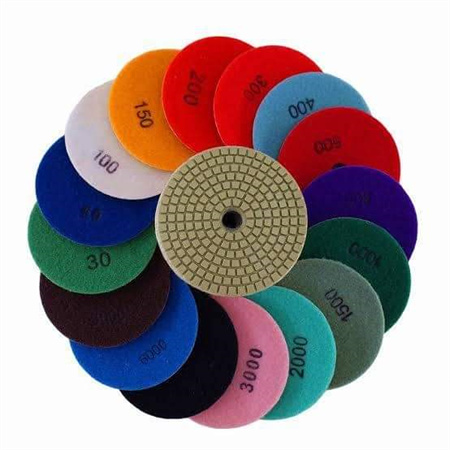
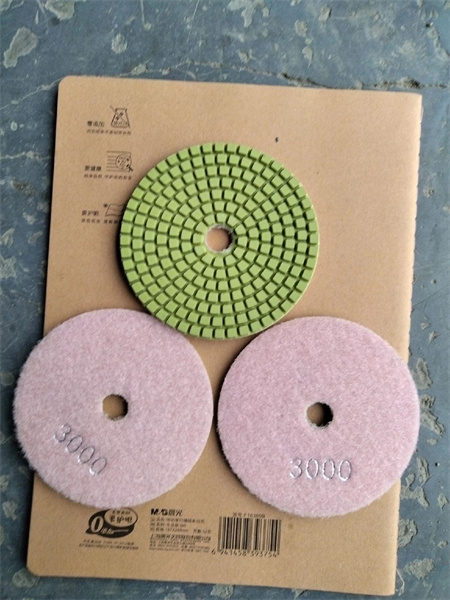
Polishing pads come in a range of grits, from coarse to fine, and understanding which one you need is crucial for achieving the desired outcome. Coarse pads (30-50 grit) are designed for heavy grinding and shaping, while medium pads (100-200 grit) are perfect for removing scratches and imperfections. Fine pads (400-3000 grit) are used for polishing and achieving a high-gloss finish. Depending on the level of refinement you need, you may need to purchase several different pads to move through the necessary stages of the polishing process.
Durability and Longevity
Durability is one of the most important aspects when selecting diamond polishing pads. Low-quality pads can wear down quickly, leading to frequent replacements and potentially causing inconsistent results. High-quality diamond pads are designed to withstand heavy use, and they’ll keep their performance throughout the job. To ensure you get the best value for your money, choose pads from reputable brands known for their long-lasting durability. It’s also worth checking reviews or talking to others who’ve used the pads to get an idea of how well they hold up over time.
Wet vs. Dry Pads
Polishing can be done either wet or dry, and some pads are designed for one or the other, while others can work in both environments. Wet polishing is often preferred for reducing heat and preventing dust, especially when working with harder stones like granite. Dry pads are more convenient for quick jobs but might produce more heat and dust. Depending on the type of stone you’re polishing and your specific needs, you may need to choose between wet or dry pads—or, if versatility is key, a pad that can handle both.
Pad Size
The size of the pad is also an important consideration, as it should be compatible with your polishing machine. Most diamond polishing pads come in standard sizes such as 4-inch, 5-inch, or 6-inch, but it’s important to make sure the pad matches the specifications of your tool. A well-fitted pad will ensure that you maintain consistent pressure and coverage, which is essential for achieving an even, smooth finish. If you’re working on large areas or floors, larger pads might be more efficient. Smaller pads can provide more control for detailed work.
Ease of Use
Finally, think about the ease of use and convenience when selecting your pads. A good diamond polishing pad should be easy to attach and remove from your polishing machine, with features like Velcro backing making it simple to swap out pads as needed. Some pads also come with color-coding, making it easier to identify different grit levels and avoid mixing them up during the polishing process.
Price and Value for Money
What to Look for When Buying Diamond Polishing Pads
While quality is important, price is always a consideration, especially when purchasing in bulk. However, it’s important not to compromise on quality just to save a few bucks. Sometimes, paying a bit more for a high-quality diamond polishing pad will save you money in the long run by reducing the need for frequent replacements and improving your efficiency. Look for pads that offer the best combination of performance, durability, and price. Buying in bulk can also be a good way to save money without sacrificing quality.
What to Look for When Buying Diamond Polishing Pads
Final Thoughts
Choosing the right diamond polishing pad is crucial for ensuring that your stone surfaces are polished to perfection. By focusing on factors like diamond quality, pad flexibility, grit rating, and durability, you can make an informed decision that will help you achieve the results you want. Whether you’re working on a small countertop or a large commercial floor, the right polishing pad can make your job smoother, faster, and more professional-looking. Take the time to choose wisely, and your polished surfaces will shine like never before.

Categories
Uncategorized

Why Diamond Polishing Pads Are Essential in Stone Restoration

Why Diamond Polishing Pads Are Essential in Stone Restoration
Stone surfaces, whether in homes, offices, or public spaces, carry an air of timeless elegance and sophistication. Over time, however, these stones—be it marble, granite, or travertine—lose their shine due to wear and tear. Whether it’s from daily foot traffic, environmental factors, or simply the passage of time, restoring that glossy finish is no easy feat. Enter diamond polishing pads: an indispensable tool for anyone involved in stone restoration.
When stone begins to lose its luster, the problem isn’t just aesthetic. It can diminish the value of a property, especially if the surfaces are integral to its design and appeal. Restoring that glossy sheen requires not just basic cleaning but also a deep level of refinement that only specialized tools can achieve. Diamond polishing pads are crucial for this process, offering a level of precision and power that no traditional polishing method can match.
What makes diamond polishing pads stand out from the crowd is their composition. Unlike standard abrasive materials, these pads are embedded with real diamonds, one of the hardest substances known to man. This gives them a unique ability to cut through tougher surfaces without compromising the stone beneath. As you move through various grit levels, the process of honing and polishing is both efficient and effective, removing scratches, stains, and other imperfections.
It’s not just about having the right tool; it’s about using it in the correct sequence. Stone restoration is a gradual process, and diamond polishing pads are designed to work through a systematic approach. Starting with a coarser grit, you can begin to remove the larger, more noticeable scratches and imperfections. As you progress through finer grits, the pad helps refine the stone’s surface, smoothing out micro-abrasions that would otherwise detract from its natural shine. The final result is a smooth, even surface that gleams with a brilliance reminiscent of its original finish.
One of the primary reasons diamond polishing pads are so effective is their durability. Unlike other pads or cloths, diamond pads can endure a lot of heavy-duty work without losing their effectiveness. Stones like granite or marble are naturally dense and tough, meaning that typical polishing methods might only work for a short time before the abrasives wear down. Diamond pads, however, maintain their integrity throughout multiple uses, saving both time and money for professionals who frequently tackle restoration jobs.
Another advantage of diamond polishing pads is the speed at which they can achieve results. Traditional methods, such as hand polishing with a cloth or using low-grade abrasives, can be incredibly time-consuming. Not only does this lead to longer work hours, but it also increases the likelihood of inconsistent results. Diamond pads, on the other hand, allow for a more streamlined process, allowing technicians to finish the job faster while still achieving superior results. The ability to work quickly and efficiently makes these pads essential for any serious stone restoration project.

Why Diamond Polishing Pads Are Essential in Stone Restoration
These pads are also incredibly versatile. Whether you’re working on floors, countertops, or even smaller decorative stone pieces, diamond polishing pads can be adapted to suit a variety of needs. They come in different sizes, grits, and designs, making them suitable for both large-scale projects and more delicate, detailed work. For restoration professionals, this versatility is invaluable, as it ensures they have the right tools for every surface and situation.
Furthermore, diamond polishing pads are much more environmentally friendly compared to older methods of stone restoration. Traditional polishing often involves using harsh chemicals or compounds that can damage the environment, not to mention the stones themselves. By opting for diamond pads, restoration specialists can avoid using unnecessary chemicals while still achieving a highly polished and durable finish. This shift toward more sustainable practices is increasingly important as industries look for greener alternatives.
In the world of stone restoration, where results matter above all, diamond polishing pads stand out as an essential tool for anyone looking to bring stones back to life. They not only save time and labor but also ensure that the finished surface is free of imperfections and gleams like new. Whether you’re a professional stone restorer or a DIY enthusiast, investing in high-quality diamond polishing pads can make all the difference in achieving a flawless, long-lasting finish.

Why Diamond Polishing Pads Are Essential in Stone Restoration

Categories
Uncategorized

Why Contractors Prefer Durable Diamond Polishing Pads

Why Contractors Prefer Durable Diamond Polishing Pads
In the world of construction and renovation, contractors constantly seek tools and materials that enhance their work efficiency and deliver high-quality results. One such tool that has become a contractor’s essential is the diamond polishing pad. These pads are used extensively for polishing concrete, marble, granite, and other stone surfaces, and their durability is a major reason why they’re so highly preferred. Let’s take a deeper look at why contractors swear by the long-lasting power of diamond polishing pads.
First and foremost, durability in the construction industry is non-negotiable. Projects often require finishing tasks that involve working on tough surfaces, and any tool used in the process needs to withstand constant wear and tear. Unlike traditional polishing pads, which may wear out quickly, diamond polishing pads are built to endure heavy-duty tasks. The abrasive diamond particles embedded in the pad’s surface provide a strong, long-lasting material that can handle prolonged use without losing efficiency. This means that contractors can complete multiple jobs using the same pad, reducing the need for frequent replacements, saving both time and money.
Contractors also appreciate the versatility of diamond polishing pads. Whether it’s a small residential project or a large-scale commercial job, diamond pads can be used on a variety of surfaces, including concrete, granite, marble, and even terrazzo. This adaptability allows contractors to rely on one tool for multiple applications, further enhancing their operational efficiency. The wide range of grit levels also makes them suitable for different stages of the polishing process, from coarse grinding to fine polishing. This versatility ensures that contractors can achieve the exact finish they desire on each job, whether they’re aiming for a matte, satin, or glossy shine.
Another key benefit of diamond polishing pads is the superior finish they leave behind. Unlike other types of polishing pads, diamond pads are capable of producing a much smoother and more consistent surface. The diamonds themselves, being one of the hardest materials known to man, cut through tougher surfaces with ease, allowing contractors to achieve a high-quality result without much effort. Whether working on marble countertops or polished concrete floors, the finish is sleek and uniform, adding a professional touch that meets the high standards of clients and customers alike.
The time-saving aspect is also something that contractors can’t overlook. Diamond polishing pads, due to their superior durability and effectiveness, often reduce the amount of time spent on each polishing job. This is especially crucial for contractors working under tight deadlines or managing multiple projects simultaneously. The faster and more efficiently they can complete a polishing task, the more time they have to move on to other essential parts of the project. This can significantly boost productivity, ensuring that contractors meet client expectations without compromising on quality.

Why Contractors Prefer Durable Diamond Polishing Pads
Furthermore, the cost-effectiveness of diamond polishing pads adds to their appeal. Although they may come with a higher initial price tag compared to regular polishing pads, their durability makes them a smart investment. The longevity of the pads means that contractors don’t have to frequently replace them, which leads to long-term savings. Given that construction projects can be costly and require careful budget management, any opportunity to reduce recurring expenses is welcomed with open arms.
Safety is another reason why contractors are drawn to diamond polishing pads. With construction work involving heavy machinery and high-risk environments, having reliable, high-quality tools is vital. Diamond polishing pads are engineered to offer superior control and stability during use. The high-quality design reduces the risk of wear and tear that could lead to accidents or inferior performance. Since the pads are designed to handle tough materials, contractors are less likely to encounter issues such as clogging or pad degradation that can occur with inferior products, which could affect both safety and the quality of the finished work.
Finally, contractors value the consistent performance of diamond polishing pads. The quality control standards for these pads are high, ensuring that each product performs as expected. Contractors can trust that when they use a diamond polishing pad, it will deliver the same exceptional results every time. This reliability is a key factor in building long-term relationships with clients, as it ensures that their projects will always meet or exceed expectations.
In conclusion, the preference for durable diamond polishing pads among contractors comes down to their remarkable longevity, versatility, and superior finish. These pads not only save time and money but also provide the consistency and high-quality results that contractors need to maintain their reputation and meet client demands. With their durability and cost-effectiveness, diamond polishing pads continue to be a go-to choice for contractors looking to deliver top-notch results on every project.

Categories
Uncategorized

Why Resin-Bonded Pads Are Ideal for Polishing Soft Stone

Why Resin-Bonded Pads Are Ideal for Polishing Soft Stone

Why Resin-Bonded Pads Are Ideal for Polishing Soft Stone
When it comes to polishing soft stones like marble, limestone, and travertine, choosing the right tool can make all the difference. Resin-bonded pads, often referred to as resin polishing pads, have become the go-to solution for professionals and DIY enthusiasts alike. These pads are particularly popular for their exceptional performance, providing a finish that is both smooth and lustrous. But what exactly makes resin-bonded pads ideal for polishing soft stones? Let’s dive into the reasons behind their widespread use and why they stand out in stone care.
First and foremost, the flexibility of resin-bonded pads is what sets them apart from other types of polishing tools. Soft stones, by nature, are more porous and prone to scratching compared to their harder counterparts like granite or quartz. Resin-bonded pads are designed to adapt to the texture of the stone surface, ensuring that they maintain a consistent finish without causing damage. Their inherent flexibility allows them to follow the natural contours of the stone, preventing the uneven wear that can occur with stiffer materials.
Why Resin-Bonded Pads Are Ideal for Polishing Soft Stone
Another significant advantage is the controlled cutting action offered by resin-bonded pads. Unlike metal-bonded pads, which can be too aggressive for soft stones, resin pads deliver a more controlled, gradual abrasion. This results in a much smoother finish, ideal for stones like marble and limestone that can easily be scratched or dulled by harsh abrasives. The abrasive particles embedded in the resin matrix work efficiently to refine the surface without leaving unsightly marks, ensuring a consistent shine.
The durability of resin-bonded pads also makes them a standout choice. When polishing soft stone, you want a tool that will last through many cycles without breaking down. Resin pads are known for their longevity, offering excellent performance over time. The resin material provides a robust bond that can withstand heat and pressure, both of which are common when polishing stone surfaces. This durability not only reduces the need for frequent replacements but also helps maintain the quality of the finish.
Another reason resin-bonded pads are preferred is their versatility in wet or dry polishing. Wet polishing, which uses water to cool the pad and reduce dust, is often recommended for softer stones because it helps prevent overheating and damage to the surface. Resin-bonded pads perform exceptionally well in this scenario, efficiently removing dust and debris while ensuring the stone remains cool. However, they are also highly effective in dry polishing environments, making them versatile enough for a variety of settings, from commercial stone fabrication to home improvement projects.
One of the key factors that contribute to the growing popularity of resin-bonded pads is their cost-effectiveness. While initial investment may be slightly higher than that of other polishing options, resin pads tend to last much longer, which translates to long-term savings. Their consistent performance reduces the need for additional passes or replacement tools, saving both time and money in the polishing process.
In addition to their superior polishing abilities, resin-bonded pads are also more environmentally friendly than some alternative materials. Unlike certain metal-bonded pads, which can leave behind toxic residues, resin pads are generally safer for both the user and the environment. Many resin pads are made with non-toxic, eco-friendly materials, making them a great choice for those looking to minimize their environmental footprint while still achieving outstanding results.
Finally, the wide range of grit options available with resin-bonded pads ensures that there’s a suitable pad for every stage of the polishing process. Whether you’re looking to grind rough surfaces, remove stains, or bring out a high gloss finish, there’s a resin pad designed to meet your needs. This level of customization makes resin-bonded pads incredibly efficient, offering the flexibility to achieve the exact look and feel you desire for your soft stone surfaces.
In conclusion, resin-bonded pads have earned their reputation as the ideal choice for polishing soft stone for a good reason. Their ability to adapt to the surface, deliver a controlled cutting action, and provide durability and versatility makes them invaluable for achieving a high-quality finish on stones like marble and limestone. Whether you are a professional stone fabricator or simply someone working on a home project, these pads offer a reliable, cost-effective solution that will ensure your stone surfaces look their best. If you’re serious about getting a flawless shine on your soft stone, resin-bonded pads are undoubtedly the way to go.

Why Resin-Bonded Pads Are Ideal for Polishing Soft Stone

Categories
Uncategorized

Understanding Abrasive Density in Polishing Pads

Understanding Abrasive Density in Polishing Pads
Polishing pads are essential tools in a wide range of industries, from automotive detailing to floor maintenance, and even in the manufacturing of electronics and glass. One of the most critical factors in determining a polishing pad’s performance is its abrasive density. The concept might sound technical, but understanding it can significantly impact the quality of the finish and the efficiency of the polishing process.
Abrasive density refers to the amount of abrasive material embedded in a polishing pad. This density determines how aggressive the pad will be when it comes into contact with a surface, influencing both the speed of material removal and the level of finish. It’s a delicate balance, as the right density ensures optimal performance without causing damage or excessive wear to the workpiece.
So, why does abrasive density matter so much? Imagine you’re polishing a car. If the pad has a low abrasive density, it will likely provide a gentler action. While this might be beneficial for delicate surfaces or finishing work, it will also slow down the process of removing imperfections, such as scratches or oxidation. On the other hand, a higher abrasive density allows for more aggressive cutting action. This can be beneficial for quickly removing deeper imperfections or preparing a surface for further refinement, but it also risks leaving visible marks or reducing the quality of the final finish if not used carefully.
Finding the right abrasive density involves considering the nature of the work at hand. For light polishing tasks, such as removing swirl marks or minor surface imperfections, a medium to low abrasive density pad is ideal. These pads will offer a controlled cut, ensuring that the finish remains smooth without causing any damage. They are perfect for tasks that require a fine, glossy finish, like detailing a vehicle or polishing a marble countertop.
For more heavy-duty tasks, like sanding down rough surfaces or restoring heavily oxidized paint, a high abrasive density pad is often the best choice. These pads are aggressive, allowing for fast material removal. However, they need to be used with care to avoid causing deeper scratches or creating an uneven finish. It’s also crucial to monitor the pad’s condition closely, as high abrasive density pads tend to wear down quicker, requiring more frequent replacements or resurfacing.

Understanding Abrasive Density in Polishing Pads
One thing that many people overlook when it comes to abrasive density is how it interacts with the type of material being polished. Softer materials, such as clear coats on cars or softer stone surfaces, generally require lower abrasive density pads. These pads offer more control and reduce the risk of damaging the material. Conversely, harder surfaces like metal or granite can often benefit from higher abrasive density, which helps break through the tougher exterior and smooth out the surface more efficiently.
Temperature also plays a role in how abrasive density affects performance. As a polishing pad works, it generates heat, and this heat can influence the effectiveness of the abrasive material. Higher-density pads tend to generate more heat due to increased friction, which may soften the abrasive material and cause it to break down faster. Therefore, it’s essential to adjust polishing speed, pressure, and duration to prevent excessive heat buildup, especially with high-density pads.
Understanding Abrasive Density in Polishing Pads
Another factor to consider is the backing material of the pad. A firm backing helps maintain pressure and control, ensuring that the abrasive particles are consistently applied to the surface being polished. Softer backings, however, may conform better to the surface but could lead to uneven pressure distribution. For this reason, choosing a polishing pad with the right backing material in conjunction with the correct abrasive density is crucial for achieving the desired results.
In addition to density, the size and shape of the pad can also impact performance. Larger pads with higher abrasive density can cover more surface area and handle more extensive tasks in a shorter time, whereas smaller pads are better suited for intricate areas or detailing work.
Ultimately, understanding abrasive density in polishing pads is about knowing how to match the right pad to the task at hand. It’s not just about how fast you can complete the task, but about achieving a smooth, high-quality finish without compromising the integrity of the material you’re working on. By considering factors like material type, task requirements, and temperature control, you can choose the best pad to enhance both the effectiveness and longevity of your polishing projects. Whether you’re a professional detailer, a hobbyist, or someone looking to restore a piece of furniture or flooring, paying attention to abrasive density will give you a much more predictable and satisfactory outcome.

Understanding Abrasive Density in Polishing Pads

Categories
Uncategorized

What Retailers Should Know About Stocking Diamond Polishing Pads

What Retailers Should Know About Stocking Diamond Polishing Pads
When it comes to offering products that cater to a wide range of customer needs, retailers often overlook the power of diamond polishing pads. These seemingly niche tools, used primarily for polishing and finishing hard surfaces like granite, marble, and concrete, can be a lucrative addition to your inventory if you understand their value and market demand. For retailers looking to expand their product range, stocking diamond polishing pads is more than just offering another tool—it’s about providing a solution for professionals and DIY enthusiasts alike.
The Growing Demand for Diamond Polishing Pads
As industries like construction, home renovation, and stonework continue to thrive, the demand for diamond polishing pads has grown significantly. These pads are designed for precision work, providing a smooth, glossy finish to a variety of materials. Homeowners and businesses alike are increasingly focusing on aesthetic improvements, which has led to a higher demand for polished surfaces, especially in kitchen countertops, floors, and bathrooms. Retailers who understand this trend can capitalize on a growing market by stocking the right variety of diamond polishing pads.
Why Diamond Polishing Pads Are a Must-Have for Customers
For professionals in the stone industry, the right polishing pad is an essential tool that directly affects the quality of their work. Unlike traditional abrasive pads, diamond polishing pads are made with synthetic diamonds embedded in the material. These diamonds are incredibly hard, ensuring that they can handle the most demanding polishing jobs on tough surfaces like granite and concrete. The pads are also more durable than other polishing materials, which means they can last longer, saving both time and money for users.
In addition to their efficiency and longevity, diamond polishing pads offer versatility. They are suitable for a wide range of applications, from minor touch-ups to large-scale polishing jobs. This flexibility appeals to both professional contractors who need heavy-duty solutions and DIY enthusiasts who may be working on smaller, home-based projects.
Key Factors to Consider When Stocking Diamond Polishing Pads
Before you stock your shelves with diamond polishing pads, it’s crucial to understand the factors that influence their performance and customer preferences. Here are some key considerations:
1. Variety of Grit Sizes
Diamond polishing pads come in different grit sizes, ranging from coarse (for aggressive grinding) to fine (for smooth, high-gloss finishes). Customers will need pads suited to their specific tasks, whether they are trying to smooth rough concrete surfaces or achieve a high-shine marble finish. Make sure to stock a variety of grit options to accommodate different customer needs.
2. Backing Material
The backing of the diamond polishing pad can be made from various materials, including velcro, resin, or rubber. The choice of backing affects the flexibility and ease of use of the pad. Pads with velcro backing, for example, are easy to replace and attach, making them popular with users who need to switch pads frequently. For high-end customers looking for the best performance, offering pads with durable resin or rubber backings can be a selling point.
3. Wet vs. Dry Use
Diamond polishing pads are typically designed for either wet or dry use, although some can be used for both. Wet pads are ideal for reducing heat and dust while providing a smoother finish, while dry pads are more convenient for smaller, less messy jobs. It’s essential to understand your customer base and stock both types to ensure you’re meeting their varying needs.
4. Compatibility with Equipment
Not all diamond polishing pads are compatible with every type of polishing machine. Depending on the type of machine your customers use, they may require specific pad types, such as those designed for hand-held grinders or larger, floor-polishing machines. Offering pads that match the equipment your customers already own will make their purchasing decision easier and ensure their satisfaction.
5. Price Points and Quality
Diamond polishing pads come in a range of price points, depending on the brand, quality, and performance level. While it’s tempting to stock the most affordable options, you also need to be mindful of quality. Low-quality pads may wear out quickly, leading to customer dissatisfaction and returns. Offering a selection of both budget-friendly and premium options will help you cater to a broader audience, from DIYers on a budget to professional contractors looking for top-tier products.

What Retailers Should Know About Stocking Diamond Polishing Pads
Marketing Diamond Polishing Pads to Customers
To succeed in selling diamond polishing pads, you’ll need to educate your customers on the benefits and applications of these tools. Offering product demos in-store or creating how-to guides online can help your customers understand the importance of selecting the right pad for their project. Highlighting the long-term value and cost savings of diamond polishing pads (since they last longer than traditional abrasive pads) can also be an effective selling point.
Additionally, consider bundling diamond polishing pads with related products, such as polishing machines, stone sealers, or other tools used in the surface-finishing process. Creating special promotions or offering discounts on bulk purchases could also encourage both professionals and DIY customers to stock up on these must-have tools.
Conclusion
Stocking diamond polishing pads is more than just adding another product to your inventory; it’s about tapping into an ever-expanding market of professionals and homeowners who are looking to achieve high-quality finishes on hard surfaces. By understanding the different features, types, and applications of these pads, retailers can ensure that they offer the right products to meet their customers’ needs. With the right selection and strategic marketing, diamond polishing pads can quickly become a profitable and essential product for your store.

Categories
Uncategorized

Quartz Countertop Polishing Techniques with Diamond Pads

Quartz countertops are a popular choice for kitchens and bathrooms due to their durability, aesthetic appeal, and low-maintenance qualities. Over time, however, even the most resilient surfaces can lose their shine or develop scratches and dull spots. One of the most effective ways to restore and maintain the pristine look of quartz countertops is through polishing, particularly using diamond pads. These specialized tools not only help restore the luster but also protect the surface from future wear and tear. If you want to give your quartz countertops the care they deserve, here’s a guide to polishing techniques using diamond pads.
When it comes to polishing quartz, diamond pads are the go-to choice for professionals and DIY enthusiasts alike. These pads are made with industrial diamonds, which are known for their hardness and effectiveness at smoothing out surfaces without causing damage. They come in various grit levels, allowing you to address different levels of wear, from light blemishes to deep scratches.
To start, preparation is key. Ensure the countertop is thoroughly cleaned before you begin polishing. Any debris or dust left on the surface can cause additional scratches during the polishing process. Wipe down the countertop with a soft cloth, using a mild dish soap and water solution to remove any grease or dirt. Once the surface is clean, dry it completely to avoid any moisture interfering with the polishing.
Next, choosing the right diamond pad for the task is crucial. For a surface that’s only slightly dull or has minor imperfections, start with a medium grit pad (around 400-600 grit). If your countertop has visible scratches or deeper damage, begin with a lower grit pad (around 200-300 grit) to gradually smooth out the surface. It’s important not to skip steps when working with different grits, as moving too quickly through the process can result in uneven surfaces.
When applying the diamond pad to the countertop, use a buffer or polisher to evenly distribute pressure. Always move in small, circular motions, ensuring that you cover the entire surface. For best results, apply minimal pressure, letting the diamonds do the work. Too much pressure can cause uneven polishing or even damage the quartz. Take your time and work in sections, making sure each area gets the attention it needs.

Quartz Countertop Polishing Techniques with Diamond Pads
As you move through the different grit levels, the texture of the countertop will gradually smooth out, and any scratches or dull spots will begin to disappear. After each grit level, wipe down the surface with a clean cloth to remove dust or residue from the polishing process. This ensures that you’re not grinding any leftover particles back into the surface, which could cause further scratches.
Once you’ve completed the polishing with your finest grit pad (typically between 1500 and 3000 grit), the countertop should have a smooth, glossy finish. If you’re looking for an extra level of shine, you can finish with a polishing compound designed for quartz surfaces. Apply the compound to a soft cloth or buffer pad, and polish the surface in small sections until it achieves the desired level of brilliance.
Polishing quartz with diamond pads not only revives the surface but also helps maintain its integrity for the long haul. By removing surface imperfections and creating a smooth, reflective finish, you’re ensuring that your quartz countertops are better protected from stains, scratches, and everyday wear. Regular polishing can also help preserve the rich color and natural patterns of your quartz, keeping it looking as beautiful as the day it was installed.
Quartz Countertop Polishing Techniques with Diamond Pads
Quartz countertops are undoubtedly a valuable investment, and keeping them in top condition requires proper care. While daily maintenance involves simple cleaning and the occasional touch-up, regular polishing with diamond pads can ensure your countertops remain in pristine condition for years to come. Whether you’re dealing with minor scratches or just want to bring back that original shine, diamond pad polishing is the most efficient and effective technique available. With a little time and the right tools, your quartz countertops will continue to be a standout feature in your home, impressing guests and adding lasting value to your space.

Quartz Countertop Polishing Techniques with Diamond Pads