Categories
Uncategorized

Why We Use Premium Resin in Our Diamond Pads

Why We Use Premium Resin in Our Diamond Pads
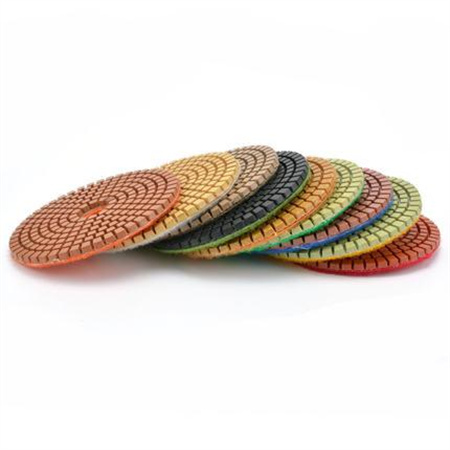
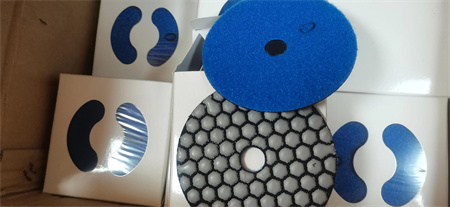
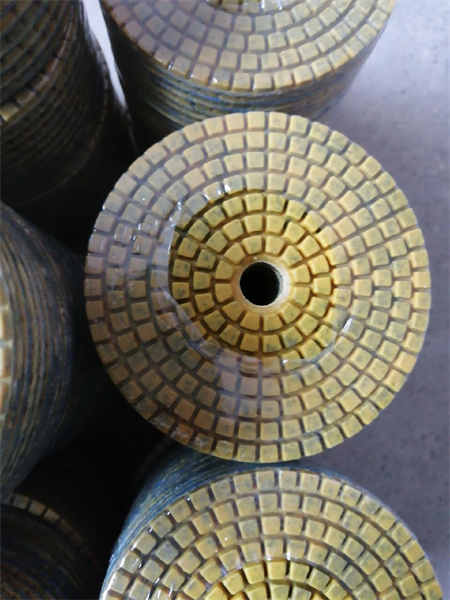
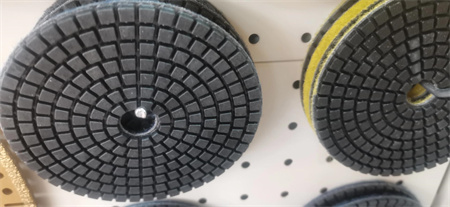
When it comes to polishing and grinding, the material you choose makes all the difference. For years, diamond pads have been the go-to tool for precision surface finishing in industries ranging from stone cutting to floor restoration. But what sets certain diamond pads apart from the rest? The secret is in the resin. At our company, we use only premium resin in the production of our diamond pads, and here’s why that decision matters.
Why We Use Premium Resin in Our Diamond Pads
Resin, particularly the high-quality varieties we use, is far more than just an adhesive to hold the diamonds in place. It’s an integral part of the polishing process, directly influencing the efficiency, durability, and final outcome of the work. Think of it as the unsung hero that makes everything run smoothly.
Why We Use Premium Resin in Our Diamond Pads
First and foremost, premium resin helps provide a controlled release of the diamond particles, ensuring that they stay sharp and effective longer. Unlike cheaper resins, which can quickly break down under pressure, premium resin maintains its integrity throughout the grinding and polishing process. This means fewer replacements and less downtime for your equipment, making it a cost-effective choice in the long run.
Moreover, the flexibility of premium resin offers an advantage that many other materials simply can’t match. The pads made with this resin are not only durable but also adapt to the contours of the surface being worked on. Whether you’re dealing with a smooth marble floor or a rough concrete slab, the resin ensures that the diamond particles make consistent contact with the surface, leading to a more uniform finish. It’s this balance of flexibility and durability that makes resin-based diamond pads so versatile and reliable across different applications.
Another crucial factor is heat management. Polishing generates significant heat, and if not managed properly, it can damage both the tool and the workpiece. High-quality resins have better heat resistance properties, meaning they can handle the intense friction without breaking down or deforming. This reduces the risk of overheating, which can lead to discoloration or even cracking on delicate surfaces like granite or terrazzo.
The smoothness and consistency of the polishing process are also greatly influenced by the quality of the resin. Premium resin results in a finer, more even finish compared to lower-quality alternatives, which can leave behind micro-scratches and imperfections. Whether you’re working on a countertop, floor, or intricate stonework, the final result with our diamond pads speaks for itself—a beautifully polished surface with no compromise on quality.
The resin also plays a critical role in the lifespan of the diamond pad. A strong resin matrix holds the diamonds firmly in place, ensuring that the abrasive material is spread evenly across the surface of the pad. This even distribution of diamonds means that the pad wears down slowly, maintaining its effectiveness for longer periods. In practical terms, this translates to fewer replacements and less material waste, making premium resin pads an environmentally-friendly choice as well.
Another key benefit of using premium resin is the level of customization we can offer. We understand that different tasks require different levels of abrasiveness and flexibility. With premium resin, it’s possible to tailor the diamond pads to meet specific needs—whether that’s a more aggressive cut for heavy-duty work or a finer finish for delicate polishing. This adaptability ensures that our diamond pads can be used across a wide range of industries, from automotive repair to high-end stonework.
What truly sets our diamond pads apart, however, is the perfect combination of resin and diamond grit. While diamond is, of course, the hardest material on Earth, it’s the resin that gives the pad its structure and ensures the diamonds are evenly spaced and supported for maximum performance. This fusion of the hardest material with the finest resin results in a tool that is both high-performing and long-lasting. When you choose our pads, you’re choosing reliability, consistency, and top-notch results every time.
Ultimately, the decision to use premium resin in our diamond pads isn’t just about enhancing performance; it’s about providing you with the best possible product for your needs. Whether you’re looking for precision, durability, or versatility, premium resin ensures that our diamond pads deliver the quality you deserve. The results speak for themselves—effortless grinding, flawless polishing, and surfaces that shine with perfection.
So, the next time you need a tool that combines power with precision, remember why we choose premium resin for our diamond pads. It’s all about giving you a product that works as hard as you do, delivering exceptional results every time.
Categories
Uncategorized

The Difference Between Low and High-Grit Diamond Pads

The Difference Between Low and High-Grit Diamond Pads
Diamond pads are essential tools in various industries, especially in the realm of surface preparation and polishing. Whether you’re working with concrete, marble, granite, or even glass, these pads play a pivotal role in ensuring a flawless finish. But not all diamond pads are created equal. The key distinction between them lies in their grit levels, which can make a significant difference in the outcome of your project. Understanding the differences between low and high-grit diamond pads can help you choose the right one for the task at hand, leading to smoother surfaces, better finishes, and increased efficiency.
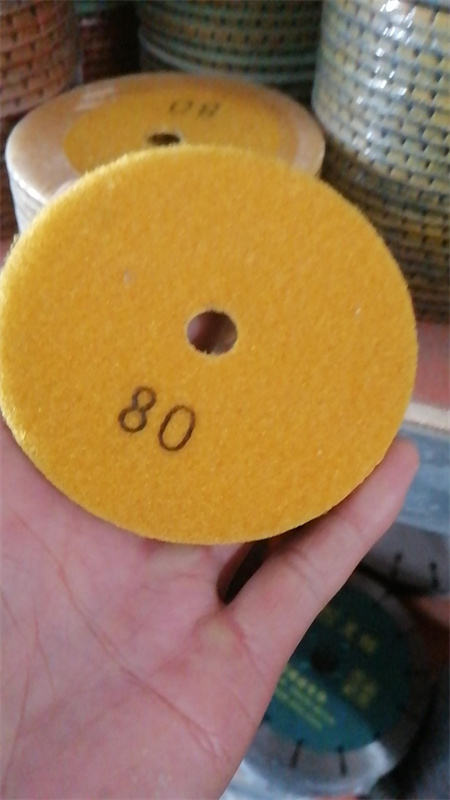
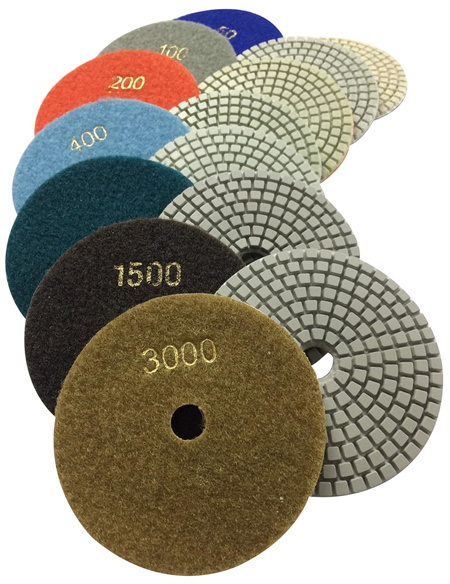
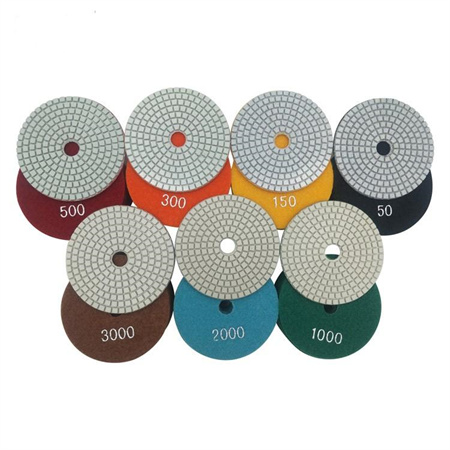
When it comes to grit, the basic principle is simple: the lower the grit number, the coarser the pad, while the higher the grit, the finer the pad. The grit of a diamond pad essentially refers to the size of the abrasive particles embedded within it. Low-grit diamond pads are rough and aggressive, designed for heavy-duty tasks, while high-grit diamond pads are smoother and finer, aimed at polishing and finishing.
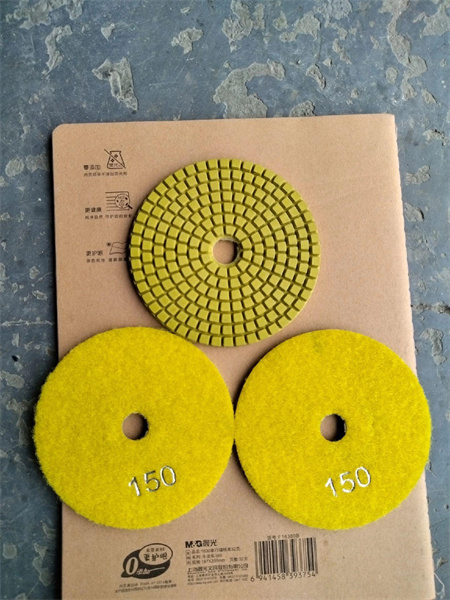
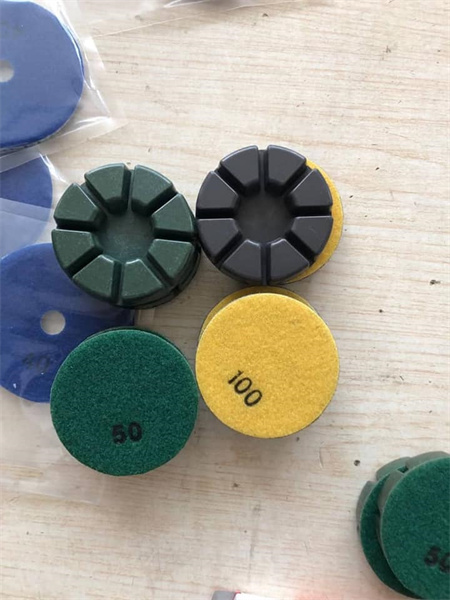
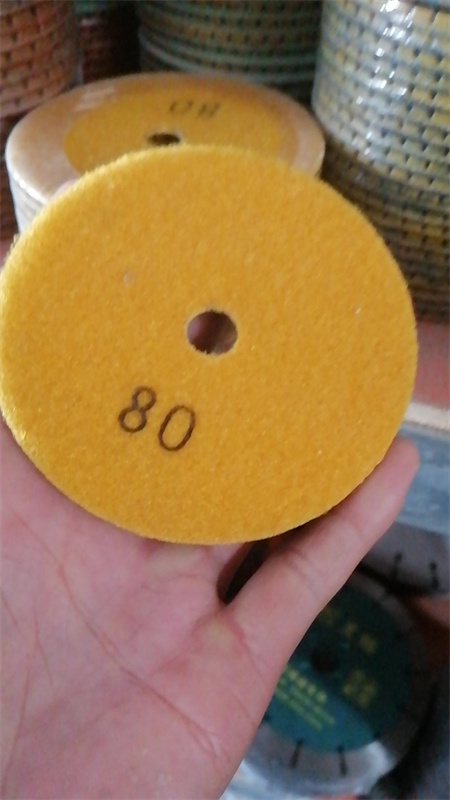
Low-grit diamond pads are typically in the range of 30 to 400 grit. These pads are commonly used in the initial stages of surface preparation. When you’re dealing with rough surfaces, such as those that are heavily scratched, stained, or damaged, low-grit pads help to aggressively remove layers of material. Whether you are smoothing out a concrete floor that’s seen better days or restoring a marble countertop, these coarse pads quickly cut through imperfections. The 30 to 100 grit range is ideal for grinding and removing larger imperfections, while the 100 to 400 grit range is typically used for smoothing and refining the surface before moving on to finer grits.
The advantage of using a low-grit diamond pad is the speed and efficiency with which it works. Due to its coarse nature, it removes material quickly, making it a time-saver in situations where you need to address deep surface damage. However, it’s important to note that low-grit pads also come with a trade-off. While they are effective at material removal, they can leave behind noticeable scratches and an uneven surface if not followed up with higher-grit pads. So, while they serve their purpose in the early stages, they should not be used for the final finish.

The Difference Between Low and High-Grit Diamond Pads
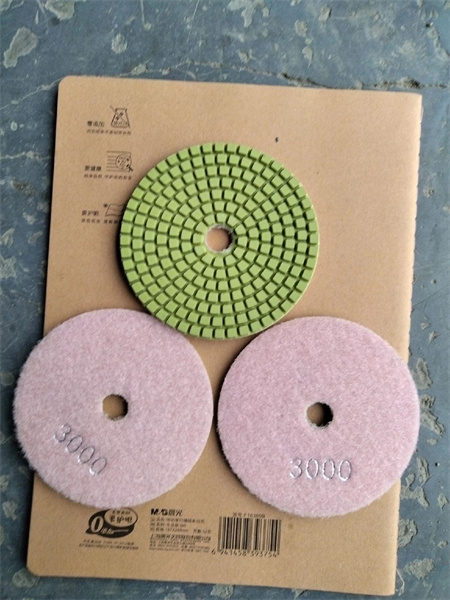
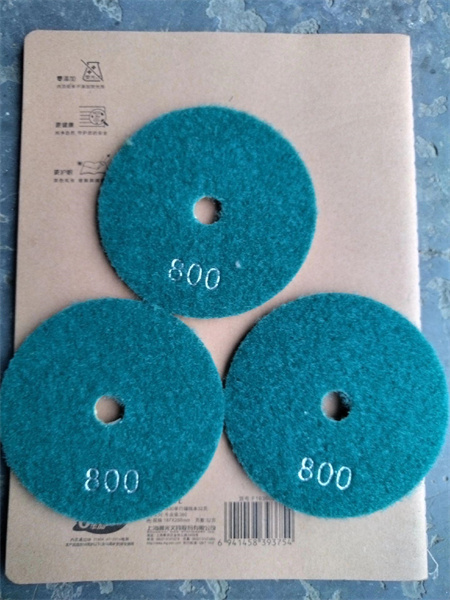
On the other hand, high-grit diamond pads, which range from 800 to 3000 grit and beyond, are designed for the later stages of the polishing process. These pads are much finer, and their primary function is to create a smooth, glossy, and polished surface. High-grit pads are essential when you want to achieve a mirror-like finish, whether you’re working on a stone countertop, concrete floor, or even a delicate glass surface. The finer abrasives are ideal for eliminating the micro-scratches left behind by lower-grit pads, giving the surface a uniform, reflective quality.
One of the key benefits of high-grit pads is their ability to remove imperfections without creating deep scratches. This makes them perfect for tasks that require a delicate touch and an immaculate surface. For example, in concrete polishing, the use of high-grit diamond pads results in a high-gloss finish that not only enhances the visual appeal of the floor but also increases its durability by making it less porous and easier to clean.
The Difference Between Low and High-Grit Diamond Pads
However, there are trade-offs when using high-grit pads as well. They are much slower in terms of material removal compared to low-grit pads. High-grit pads are best used when the surface has already been prepped and you simply need to refine and smooth it out. Using a high-grit pad on a surface that still has deep damage or irregularities could be ineffective, as the fine abrasives aren’t aggressive enough to remove significant material.
In practice, both low and high-grit diamond pads are often used together in a multi-step process. The initial stages involve coarse, low-grit pads to quickly remove material and smooth out rough surfaces, while the final steps utilize high-grit pads to bring out the shine and perfect the finish. The transition between these two types of pads is key to achieving the desired results. The use of a low-grit pad prepares the surface for polishing, and the high-grit pad refines the surface to a high standard of quality.
When choosing between low and high-grit diamond pads, consider the material you’re working with, the condition of the surface, and the desired finish. For heavy-duty grinding and removal of deep imperfections, low-grit pads are your best bet. For finer polishing and a glossy, smooth finish, high-grit pads are essential. Understanding when to switch from one to the other is crucial for achieving a seamless, high-quality result.
In conclusion, the difference between low and high-grit diamond pads is more than just a matter of surface preparation vs. polishing. It’s about knowing how each grit functions and when to use it for the best possible outcome. Whether you’re restoring an old countertop or polishing a concrete floor, understanding the role of each pad ensures that you’ll get the finish you want—smooth, durable, and beautiful.

Categories
Uncategorized

Ensuring Worker Safety in Diamond Pad Production Facilities

Ensuring Worker Safety in Diamond Pad Production Facilities
In the world of manufacturing, particularly in high-tech industries like semiconductor and precision optics, diamond pad production plays a critical role. Diamond pads are essential for polishing and grinding delicate surfaces, ensuring the precision needed in various applications from electronics to aerospace. However, as crucial as these processes are, ensuring the safety of workers in diamond pad production facilities is an ongoing challenge. The nature of the work environment, combined with the inherent risks involved in handling materials such as diamonds, chemicals, and heavy machinery, makes worker safety a priority that demands constant attention.
First and foremost, diamond pad production facilities are environments where exposure to dust, toxic chemicals, and physical hazards is part of the everyday operation. Diamond dust, for instance, is fine and airborne, and if inhaled, it can cause significant respiratory issues. The process of grinding diamonds can also generate significant heat, leading to potential burns or other thermal injuries. Workers can be exposed to sharp tools, heavy machinery, and chemicals used in the polishing process, all of which present distinct hazards.
To mitigate these risks, one of the key strategies is the implementation of comprehensive personal protective equipment (PPE). This includes not only standard safety gear like helmets, gloves, and eye protection but also specialized equipment to deal with the specific risks associated with diamond pad production. For instance, dust masks or respirators with high-efficiency filters are crucial to prevent the inhalation of diamond dust. Workers also need to wear heat-resistant gloves to handle tools that may get extremely hot during operation, and protective aprons are necessary to safeguard against potential chemical spills.
However, relying solely on PPE is not enough. A safety-first culture needs to permeate every aspect of the facility’s operations. This starts with ensuring all machinery is properly maintained and fitted with necessary safety features. Automated systems that control the grinding and polishing processes can help reduce human error, while also decreasing exposure to the risks of these operations. Machine guards, emergency stop buttons, and clear warning systems should be in place, particularly around equipment that operates at high speeds or generates significant heat.
Employee training is another critical component of a safe working environment. Workers must not only understand how to use their personal protective equipment but also how to operate machinery safely and handle potentially hazardous materials. Regular training sessions, covering everything from safe machinery operation to emergency response protocols, can help ensure workers are prepared for any situation. Furthermore, fostering an environment where safety is continuously discussed and prioritized is essential. A worker who feels empowered to speak up about unsafe practices or conditions is a vital asset in maintaining a safe workplace.
Environmental controls within the facility also play a significant role in protecting workers. Ventilation systems, for example, are a must-have in diamond pad production. Given the amount of dust generated during grinding and polishing, these systems help remove harmful particles from the air and reduce the likelihood of respiratory issues among workers. Proper filtration systems should be in place to capture airborne diamond dust before it settles in the work area. In some cases, air quality monitoring systems are used to keep track of dust levels, ensuring they remain within safe limits.

Ensuring Worker Safety in Diamond Pad Production Facilities
Similarly, chemical handling and storage protocols must be strictly enforced. Chemicals used in the production of diamond pads, such as polishing compounds or cleaning agents, can be hazardous. Facilities should have proper labeling, secure storage solutions, and spill containment systems in place to ensure chemicals do not pose a threat to workers. Moreover, providing workers with clear instructions on how to deal with spills, accidents, or chemical exposure can prevent more severe incidents.
To further reduce risk, a robust safety inspection system should be a part of daily operations. This includes not just checking equipment and safety gear but also evaluating the overall work environment for any potential hazards. Regular safety audits by trained professionals can identify areas where additional precautions are necessary. Implementing a feedback loop, where workers are encouraged to report unsafe conditions or practices, is vital in improving safety over time. When workers are actively involved in safety monitoring, the entire workforce becomes more engaged in maintaining a safe environment.
Worker safety in diamond pad production is not a one-time effort—it’s an ongoing commitment. Continuous advancements in technology and safety protocols play a significant role in minimizing the risks inherent to this demanding industry. By focusing on proper training, stringent safety protocols, advanced safety equipment, and a culture of vigilance, diamond pad production facilities can ensure the health and safety of their workers while maintaining high standards of productivity and quality. With these measures in place, manufacturers can continue to push the boundaries of precision and performance without compromising the well-being of those who make it all possible.

Categories
Uncategorized

How to Evaluate Samples from a Polishing Pad Manufacturer

How to Evaluate Samples from a Polishing Pad Manufacturer
When selecting the right polishing pad for your needs, evaluating samples from a manufacturer is a crucial step. Whether you’re in the automotive, industrial, or furniture industry, the quality of your polishing pad can significantly impact the final product’s appearance and finish. To ensure you’re making an informed decision, it’s essential to assess the samples properly. Here’s how to evaluate samples from a polishing pad manufacturer effectively.
One of the first things to consider is the material used in the pad. Polishing pads come in various materials such as foam, microfiber, wool, or even a hybrid combination of these. Each material offers distinct advantages depending on the task at hand. For example, foam pads are often used for fine polishing, while wool pads are preferred for heavy-duty polishing. Understanding the material composition helps you align the pad with the requirements of your specific polishing job.

How to Evaluate Samples from a Polishing Pad Manufacturer
Next, it’s critical to test the pad’s durability. Durability can be assessed by subjecting the sample to repeated use under controlled conditions. Pay attention to how well the pad retains its shape and texture after a few uses. A high-quality pad should not degrade quickly or lose its polishing ability after only a few cycles. The durability of a polishing pad will directly affect your long-term investment. A pad that wears out quickly can lead to increased operational costs and inconsistent results.
Another important factor is the pad’s ability to maintain a consistent level of performance. When polishing, you want to achieve a uniform finish, and this largely depends on the consistency of the pad’s performance. Test the sample on various surfaces, such as metals, painted surfaces, or composites, and observe how evenly it spreads the polishing compound. A pad that doesn’t wear down evenly can create inconsistencies in the finish, leading to blotches or uneven gloss levels.
The flexibility of the pad is another key aspect that should not be overlooked. Different surfaces require different levels of flexibility from a polishing pad. For example, if you’re polishing curved or irregularly shaped surfaces, you’ll need a pad that can adapt to the contours of the object without losing its effectiveness. A highly flexible pad allows for better coverage on complex shapes, reducing the risk of leaving streaks or unpolished areas. Testing this flexibility is as simple as applying the sample to a few objects with varying shapes and noting how well the pad conforms to the surfaces.
How to Evaluate Samples from a Polishing Pad Manufacturer
Consider the pad’s ease of use during the evaluation process as well. A good polishing pad should be easy to mount and remove from the machine without excessive effort. Look for features like hook-and-loop fasteners or an easy-to-grip backing that makes the pad convenient to work with. An ergonomic design helps reduce operator fatigue, especially if the polishing work is done for extended periods. Also, check if the pad is prone to slipping or losing grip during use, as this could compromise its effectiveness.
Another point of evaluation is the heat resistance of the polishing pad. When polishing at high speeds, friction generates heat, and pads that aren’t designed to handle high temperatures can break down or lose their performance. Some pads may even begin to melt or discolor when exposed to excessive heat. It’s important to determine whether the sample you’re testing can withstand these conditions without degradation. Pads with better heat resistance will be more reliable and long-lasting.
Noise and vibration are also worth considering, especially if you’re using the pad for extended periods or in environments where noise levels need to be kept low. Test the pad under real operating conditions and observe the sound levels. Excessive noise can not only be irritating but also a sign of poor quality materials or construction. Additionally, excessive vibrations can impact the quality of the finish and cause unnecessary strain on the operator.
How to Evaluate Samples from a Polishing Pad Manufacturer
Finally, the cost-effectiveness of the polishing pad should be taken into account. While it might be tempting to opt for the cheapest option, remember that low-cost pads often wear out faster and deliver inconsistent results. The best approach is to find a balance between cost and performance. Consider how many cycles the sample can handle before needing replacement and whether it offers good value for its performance and durability.
By carefully evaluating these factors—material composition, durability, performance consistency, flexibility, ease of use, heat resistance, noise and vibration levels, and cost-effectiveness—you can confidently choose the right polishing pad for your needs. Remember, a good polishing pad can save you time and effort, while a poor one can lead to additional costs and frustration. Take your time with the evaluation process, and you’ll end up with a product that meets your standards and helps you achieve that perfect finish every time.

Categories
Uncategorized

The Role of Water in Wet Polishing Pads

The Role of Water in Wet Polishing Pads
When it comes to achieving that perfect finish on a surface, whether it’s for stone, glass, or concrete, wet polishing has become an essential technique. Central to this process are the polishing pads themselves, which can make or break the quality of the end result. What might be surprising to some is the crucial role that water plays in this process. While water may seem like a simple element, its interaction with polishing pads is far more complex and vital than most realize.

The Role of Water in Wet Polishing Pads
Water serves multiple purposes in the wet polishing process, and understanding its role can significantly improve polishing outcomes, reduce wear on the equipment, and ensure that surfaces are left smooth and flawless. At the heart of its function is the way water works in conjunction with the abrasive elements of the pad.
First and foremost, water acts as a coolant. Polishing generates heat, and without a cooling agent, that heat can quickly cause damage to both the surface being worked on and the polishing pad itself. As the pad rotates, friction builds up, and this can lead to thermal buildup. Water helps to dissipate this heat, keeping the temperature under control and preventing excessive wear on the pad and any potential damage to the material. This cooling effect is especially critical when working with harder materials like granite or quartz, where the heat could cause the material to crack or discolor.
In addition to cooling, water serves as a lubricant. The polishing process involves not just friction but also the abrasive elements of the pad making direct contact with the surface. Without lubrication, this direct contact can result in a harsh and uneven finish, potentially damaging the material. Water creates a thin film that reduces friction between the pad and the surface. This smooths out the abrasives, allowing them to glide across the material more evenly and effectively. It helps prevent scratches and swirls, leaving behind a pristine, glossy finish.
Water also plays a key role in cleaning during the polishing process. As the pad works to remove imperfections from the surface, debris like dust, particles, and slurry are created. These can quickly build up and clog the pad, reducing its effectiveness and potentially ruining the surface. Water helps to flush away these particles, keeping the pad clean and ensuring that it remains in contact with the material for longer periods without diminishing its effectiveness. The continuous flow of water prevents slurry from hardening on the pad, keeping the abrasives active and capable of cutting efficiently.
Beyond the mechanical benefits, water is also an environmental asset. Wet polishing pads, when used correctly, can be more environmentally friendly than dry polishing techniques. The absence of airborne dust particles makes it a safer choice for workers, as it reduces the need for protective gear such as respirators. Furthermore, using water allows for the recycling of certain fluids, reducing waste and improving the sustainability of the process.
However, it’s important to note that not all water is created equal when it comes to wet polishing. The quality of the water can affect the outcome of the polishing process. Hard water, for instance, can leave mineral deposits on the surface, which could cause streaks or uneven finishes. It’s crucial to ensure that the water used is clean and free of impurities to maintain the desired quality of the surface.
Water also contributes to the longevity of polishing pads. By preventing the pad from overheating, lubricating it, and keeping it clean, the pad can last longer and perform more effectively over time. This translates into cost savings, as users won’t need to replace pads as frequently, and the process becomes more efficient overall.
In conclusion, while it may seem like a small part of the process, water is integral to the success of wet polishing. From cooling and lubrication to cleaning and environmental considerations, its role is multifaceted and crucial to achieving optimal results. Whether you’re a professional in the field or a DIY enthusiast, understanding and leveraging the power of water in conjunction with polishing pads will ultimately lead to smoother, more beautiful surfaces and longer-lasting equipment.
The Role of Water in Wet Polishing Pads

Categories
Uncategorized

The Role of Technology in Polishing Pad Innovation

The Role of Technology in Polishing Pad Innovation
In the world of surface finishing, polishing pads play a crucial role in achieving a smooth, flawless finish. Whether used in automotive detailing, semiconductor manufacturing, or even in the beauty industry, the performance of polishing pads can significantly impact the quality of the final product. Over the years, technological advancements have revolutionized the way these pads are designed, produced, and utilized, paving the way for higher efficiency, better results, and enhanced durability.
Technology has fundamentally reshaped the manufacturing process of polishing pads. Traditional pads, often made from foam or felt, were once limited in their ability to adapt to different materials or provide consistent performance over time. The introduction of advanced materials, such as microfibers, nanofibers, and composite fabrics, has drastically improved the capabilities of polishing pads. These materials offer increased precision, greater flexibility, and better heat resistance, which are essential for achieving the desired finish without compromising the integrity of the workpiece.
One of the most significant innovations in polishing pad technology has been the development of specialized coatings and surface treatments. These coatings can be engineered to enhance various properties of the pad, such as reducing friction, improving durability, or preventing contamination. For example, the application of hydrophobic coatings can help pads resist moisture, which is particularly useful in automotive and industrial polishing applications where water is often used in conjunction with polishing compounds. Similarly, pads designed with antimicrobial coatings are finding use in environments where hygiene and cleanliness are critical, like medical device manufacturing.
The integration of automation and smart technology has also played a transformative role in polishing pad innovation. By incorporating sensors and intelligent control systems, manufacturers can now monitor and adjust the polishing process in real-time, optimizing the pad’s performance and ensuring that it delivers consistent results. For instance, smart polishing pads are being developed with built-in sensors that can detect changes in pressure, temperature, and vibration. These sensors can communicate with automated polishing machines to adjust the speed, pressure, or pattern of the polish, thus minimizing human error and reducing the likelihood of defects.
The rise of Industry 4.0 has further accelerated the development of high-tech polishing pads. With the advent of connected systems and data analytics, manufacturers can gather vast amounts of data from the polishing process. This data can be used to predict maintenance needs, track performance trends, and even optimize the design of new pads. By leveraging machine learning algorithms, manufacturers can identify the best materials, coatings, and production techniques for specific applications, ensuring that polishing pads are tailored to the exact needs of each job.
In addition to enhancing functionality, technology has also contributed to making polishing pads more sustainable. With increasing concerns over environmental impact, manufacturers are turning to green technologies to reduce waste and improve the sustainability of their products. For example, eco-friendly materials like biodegradable foam and natural fibers are now being used to produce polishing pads that are both effective and environmentally conscious. Moreover, innovations in the production process, such as 3D printing, allow for the creation of pads with complex geometries that optimize material usage and reduce waste during manufacturing.

The Role of Technology in Polishing Pad Innovation
The shift toward more efficient and sustainable polishing pad technology has not only benefited industries but also contributed to improving user experience. End-users now have access to pads that are easier to handle, require less maintenance, and offer longer lifespans. Whether it’s a car detailer using a pad on a vehicle’s surface or a technician polishing a microchip, these innovations are enhancing the speed and quality of their work. Pads that last longer and perform better also mean less downtime and fewer replacements, which translates into cost savings and increased productivity.
The role of technology in polishing pad innovation is undeniably transformative. What was once a straightforward tool for surface finishing has evolved into a high-performance, smart solution that adapts to the specific needs of various industries. As technology continues to advance, we can expect polishing pads to become even more efficient, sustainable, and user-friendly. From advanced materials to smart sensors, the future of polishing pads looks bright, with endless possibilities for improving both the process and the results of surface polishing.

Categories
Uncategorized

How to Identify a High-Quality Diamond Pad

How to Identify a High-Quality Diamond Pad
When it comes to diamond pads, whether for polishing, grinding, or cutting, the quality of the product can make a world of difference in the outcome of your project. A high-quality diamond pad ensures precision, durability, and the best finish. But how do you distinguish a top-tier diamond pad from the average ones flooding the market? Here are the key indicators that will help you identify a high-quality diamond pad that delivers exceptional results.
The Importance of Diamond Concentration
One of the most important factors in determining the quality of a diamond pad is the concentration of diamonds used in its construction. High-quality pads are made with a higher concentration of diamonds, ensuring faster material removal and a more consistent finish. The more diamonds embedded in the pad, the better the efficiency and longevity of the tool. When inspecting a diamond pad, ask about its diamond concentration—those with higher diamond content typically perform better and last longer, reducing the need for frequent replacements.

How to Identify a High-Quality Diamond Pad
Consistent Diamond Distribution
The way diamonds are distributed on the pad also plays a crucial role in its performance. In a high-quality diamond pad, the diamonds should be evenly distributed across the surface. This ensures a smooth, uniform finish as the pad works. Pads with uneven diamond distribution can cause streaks or uneven wear, compromising the final result. A well-distributed layer of diamonds ensures that the pad performs optimally throughout its lifespan.
Pad Backing and Durability
The backing material of a diamond pad is another key component to consider. A high-quality pad will feature a sturdy, durable backing that can withstand pressure, heat, and wear. The backing must be flexible enough to maintain consistent contact with the surface being worked on, whether it’s a stone, concrete, or metal. A cheap or flimsy backing will quickly degrade, affecting the performance of the pad. Look for pads with a robust, yet flexible backing that can endure extended use without losing its shape or integrity.
The Bonding Process
How the diamonds are bonded to the pad is another sign of quality. In a high-quality pad, diamonds are securely bonded to the surface using a strong resin or metal bonding agent. This ensures that the diamonds stay in place as the pad is used, providing maximum efficiency and consistency. Inferior bonding can lead to diamonds falling out prematurely, causing uneven wear and reducing the lifespan of the pad. Check the manufacturer’s specifications for the type of bonding agent used and ensure it’s designed for the task at hand.
How to Identify a High-Quality Diamond Pad
Compatibility with Your Equipment
A diamond pad is only as good as how well it works with your equipment. A top-tier diamond pad is designed to work seamlessly with the machine you’re using, whether it’s a handheld polisher, a floor machine, or a stone grinder. Compatibility ensures that the pad can be used efficiently without causing damage to the machine or the surface being worked on. Before purchasing a diamond pad, check the manufacturer’s guidelines for recommended equipment and ensure that the pad is compatible with your specific tools.
Surface Finish and Performance
A high-quality diamond pad will consistently deliver an exceptional finish, regardless of the material you’re working with. Whether you’re polishing granite, marble, or concrete, a well-made diamond pad should leave a smooth, uniform surface free of scratches, blemishes, or uneven textures. When evaluating a diamond pad, consider the type of finish it’s designed to achieve. Some pads are made for aggressive grinding, while others are optimized for a high-gloss polish. Choosing the right pad for your project ensures the best results.
Price vs. Quality
It’s tempting to go for the cheaper option when buying diamond pads, but it’s important to understand that the price often reflects the quality of the product. High-quality diamond pads typically come with a higher price tag, but they provide a much better return on investment in terms of performance and longevity. Cheaper pads may seem appealing at first, but they tend to wear out faster, requiring more frequent replacements and costing more in the long run. It’s worth investing in a high-quality pad that will perform well for longer and deliver superior results.
Brand Reputation
Finally, a brand’s reputation is often a good indicator of product quality. Established brands that specialize in diamond tools usually have a track record of delivering reliable, high-performance products. Do some research on the brand and check customer reviews to get a better sense of the pad’s quality. A reputable brand will stand behind its products with guarantees or warranties, ensuring that you’re getting value for your money.
Conclusion
Identifying a high-quality diamond pad is about more than just picking the most expensive option. It’s about understanding the material composition, construction methods, and performance capabilities. By paying attention to the concentration and distribution of diamonds, the durability of the backing, the strength of the bonding process, and the pad’s compatibility with your equipment, you can ensure that you’re choosing the best diamond pad for your needs. The right pad will make a significant difference in the speed, ease, and quality of your work, helping you achieve professional-level results every time.

Categories
Uncategorized

Using Diamond Pads for Epoxy Resin Polishing

Using Diamond Pads for Epoxy Resin Polishing
When it comes to achieving a flawless finish on epoxy resin surfaces, many turn to diamond pads as the ultimate tool for polishing. If you’ve ever worked with epoxy resin, you know that while it’s a fantastic material for creating smooth, glossy finishes, it can be tricky to get that professional-level shine. But fear not, diamond pads offer a game-changing solution to this problem. Let’s dive into how these specialized pads can elevate your epoxy resin projects to the next level.
Epoxy resin is renowned for its durability, versatility, and high-gloss appearance when properly polished. Whether you’re making countertops, art pieces, or flooring, achieving that perfect, smooth, mirror-like finish can be a challenge. While there are many ways to polish epoxy, diamond pads stand out for their ability to tackle imperfections with precision and efficiency. Unlike traditional polishing tools, diamond pads are designed with an embedded layer of industrial-grade diamond particles, which makes them ideal for working on hard, dense surfaces like cured epoxy resin.
What makes diamond pads so special? For one, the diamonds embedded in these pads are incredibly tough. Epoxy resin is a hard, resilient material, so standard abrasives can sometimes struggle to achieve a high-quality polish. Diamond pads, on the other hand, have the strength to grind and smooth even the toughest resin surfaces, resulting in a consistently smooth and shiny finish. Their ability to remove scratches, dull spots, and imperfections is unmatched, giving your epoxy projects a level of clarity that’s hard to achieve with any other tool.
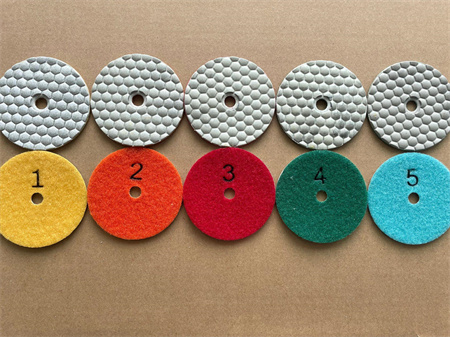
Another major advantage of using diamond pads is their versatility. These pads are available in a range of grits, allowing you to start with a rougher pad to remove larger imperfections or scratches, and work your way to finer grits to polish the surface to a glass-like finish. The progression from a coarse grit to a finer one ensures that you achieve a uniform, smooth result without leaving behind any unwanted marks. Whether you’re working on small artistic projects or large-scale surfaces, the ability to control the level of abrasion gives you complete command over the final result.
Diamond pads are also designed to work efficiently in both wet and dry conditions. While wet polishing tends to reduce dust and keeps the surface cool, dry polishing can be quicker and more convenient in certain circumstances. The adaptability of diamond pads makes them suitable for a wide range of epoxy resin applications, from DIY crafts to professional-grade installations. This flexibility means you don’t have to worry about switching tools or compromising on quality depending on your method of choice.

Using Diamond Pads for Epoxy Resin Polishing
Using diamond pads also significantly cuts down on the time spent on polishing. Traditional polishing methods can be labor-intensive, requiring multiple passes with various tools and compounds to achieve a glossy finish. With diamond pads, you can achieve a high-quality polish in fewer steps. This is particularly useful in commercial or professional settings where time is of the essence and consistent results are a must.
Maintaining diamond pads is relatively straightforward as well. These pads are designed to last for a long time, especially when compared to other abrasives. They are durable and resistant to wear, meaning you can use them for extended periods without worrying about the pads breaking down or losing their effectiveness. Cleaning is as simple as rinsing the pads with water after use, and they are often reusable multiple times before needing replacement.
One common misconception about diamond pads is that they are only for professionals. In reality, anyone working with epoxy resin can benefit from them. Whether you are a hobbyist making resin jewelry or a contractor installing epoxy countertops, the ease and efficiency of diamond pads can significantly improve the quality of your work. The consistency and precision they provide ensure that your final product looks polished and professional, even if you’re just getting started.
Of course, while diamond pads are incredibly effective, they should be used correctly to avoid damaging the epoxy surface. It’s important to follow the recommended steps and ensure that the pads are not pushed too hard against the resin, as excessive pressure can result in uneven surfaces. Additionally, it’s essential to keep the surface cool (especially when polishing dry) to prevent heat buildup that might cause the resin to soften or discolor.
In conclusion, if you’re looking to elevate your epoxy resin projects, diamond pads are an indispensable tool in your polishing arsenal. Their ability to tackle tough surfaces, versatility in grits, efficiency, and long-lasting durability make them the go-to solution for achieving that smooth, high-gloss finish. Whether you’re a seasoned professional or a beginner, these pads will help you get the results you want without the hassle. With diamond pads, you can polish epoxy resin like a pro and create stunning, glossy surfaces that truly shine.

Categories
Uncategorized

What Makes a High-Quality Diamond Polishing Pad Supplier

What Makes a High-Quality Diamond Polishing Pad Supplier
When it comes to diamond polishing pads, quality isn’t just a luxury; it’s a necessity. Whether you’re polishing granite, marble, concrete, or any other stone surface, the right polishing pad can make all the difference. But how do you separate the great suppliers from the mediocre ones? What are the key factors that define a high-quality diamond polishing pad supplier? Let’s take a closer look.

What Makes a High-Quality Diamond Polishing Pad Supplier
First and foremost, a top-tier diamond polishing pad supplier should prioritize innovation. The world of stone polishing is constantly evolving, with new materials, techniques, and technologies coming into play. Suppliers who are committed to staying ahead of the curve invest in research and development, continually improving their products to meet the needs of modern polishing demands. This means offering pads that not only provide a flawless finish but also work more efficiently, reducing time and labor while extending the lifespan of the pad itself.
A supplier who understands the nuances of different surfaces and applications is also a hallmark of quality. Diamond polishing pads are not a one-size-fits-all solution. Different types of stone—granite, marble, concrete, and others—require different levels of abrasiveness and flexibility. A high-quality supplier will offer a range of options tailored to various applications, ensuring that their customers can find the right pad for their specific job. Whether it’s for heavy-duty grinding or delicate polishing, versatility in product offerings is key to meeting diverse customer needs.
Durability is another critical factor. Diamond polishing pads are known for their longevity, but not all pads are created equal. A good supplier offers pads that are built to last. This means the diamonds used in the pads must be of high quality and properly bonded to the pad itself. High-quality diamond polishing pads will withstand prolonged use without losing their effectiveness, even under the harshest conditions. A supplier who uses top-grade diamonds and invests in a strong bonding process will offer pads that offer superior performance over time.
Customer service is an often-overlooked but essential aspect of a great diamond polishing pad supplier. It’s not enough for a supplier to simply sell a product—they need to stand behind it. A high-quality supplier will offer excellent customer support, answering questions about product features, providing troubleshooting assistance, and addressing any issues that may arise during use. They understand that their customers are professionals relying on their products to get the job done right, and they take this responsibility seriously.
Moreover, pricing plays a significant role in selecting the right supplier. While high-quality pads might come with a higher price tag, a reputable supplier will offer fair and transparent pricing. They won’t charge inflated prices for subpar products, nor will they sacrifice quality to compete on price alone. Instead, they strike the right balance between cost and value, ensuring that customers receive the best return on investment.
Sustainability is becoming an increasingly important consideration as industries worldwide shift towards more eco-friendly practices. A high-quality diamond polishing pad supplier will be conscious of the environmental impact of their products. This might mean using sustainable materials in the manufacturing process or ensuring that their production methods are energy-efficient. In an era where environmental consciousness is critical, suppliers who take steps to reduce their carbon footprint are setting themselves apart.
Lastly, reputation matters. Word of mouth is powerful, and a supplier with a proven track record of providing high-quality diamond polishing pads will be well-regarded by industry professionals. Customer reviews, testimonials, and case studies all serve as indicators of a supplier’s reliability. A strong reputation often indicates that the supplier is trusted by its clients to deliver consistent results.
A great diamond polishing pad supplier doesn’t just provide a product; they provide a solution. They understand the demands of the industry and offer products that stand the test of time while delivering exceptional results. From innovation and versatility to durability and customer service, every aspect of their business should reflect a commitment to quality. By focusing on these factors, you can ensure that you’re partnering with a supplier who truly has your best interests at heart, helping you achieve flawless finishes every time.

Categories
Uncategorized

Why Sustainability Matters in Diamond Tool Manufacturing

Why Sustainability Matters in Diamond Tool Manufacturing
Sustainability has become a driving force across industries, and diamond tool manufacturing is no exception. In an era where environmental concerns and resource depletion are at the forefront of global discussions, the diamond tool industry is faced with a growing responsibility to evolve. Diamond tools, crucial for precision cutting, grinding, and polishing, are used in a variety of industries, from mining and construction to electronics and automotive manufacturing. Yet, their production processes have historically left significant environmental footprints. As consumer demand for greener products grows, it’s essential to explore why sustainability matters in diamond tool manufacturing—and how the industry can adapt for a better, more responsible future.
The environmental impact of traditional diamond tool production is considerable. Synthetic diamond, often used in these tools, is typically created through high-energy processes, which can consume vast amounts of electricity. Moreover, the mining of natural diamonds, although less common for tools today, has raised concerns due to its significant environmental degradation. From habitat destruction to the depletion of valuable natural resources, the diamond industry’s traditional practices have faced increasing scrutiny. With sustainability now a key consideration for businesses and consumers alike, the diamond tool industry must take proactive measures to reduce its environmental impact.
One of the key aspects of sustainability in diamond tool manufacturing is material sourcing. Many of today’s diamond tools are made from synthetic diamonds, produced in labs using processes like High Pressure High Temperature (HPHT) or Chemical Vapor Deposition (CVD). These methods have a much smaller environmental footprint than traditional mining, reducing habitat destruction and the harmful effects of extraction on ecosystems. As technology improves, the cost of producing synthetic diamonds is becoming more competitive, and these diamonds are becoming more common in the production of tools. Manufacturers who prioritize synthetic diamonds over mined ones can contribute to a more sustainable industry while still delivering products of the highest quality.

Why Sustainability Matters in Diamond Tool Manufacturing
Another important sustainability factor is the focus on energy efficiency. The diamond tool manufacturing process is energy-intensive, and the industry is constantly seeking ways to reduce its carbon footprint. Many companies are adopting renewable energy sources, such as solar or wind power, to fuel production lines. Some manufacturers have even invested in more energy-efficient machinery, which uses less power while maintaining high output. These steps not only reduce emissions but also lower operational costs in the long run. When businesses prioritize energy efficiency, they can help drive a broader transition towards a greener manufacturing sector, contributing to both environmental preservation and economic savings.
Why Sustainability Matters in Diamond Tool Manufacturing
Waste reduction and recycling also play critical roles in sustainable manufacturing practices. Diamond tool manufacturers are increasingly focusing on how to recycle and reuse the materials they work with. For instance, diamonds themselves can be recovered and reused from worn-out tools. In addition, the production process often generates a significant amount of dust and debris, which can be harmful if not disposed of properly. Many manufacturers are now employing advanced filtration and recovery systems to capture these byproducts and prevent them from polluting the environment. Furthermore, using recyclable materials in the packaging of diamond tools, such as cardboard and biodegradable plastics, is becoming more common.
Sustainability isn’t just about the production process itself—it’s also about the longevity of the products. Diamond tools are known for their durability, and when manufactured responsibly, they can last for years, reducing the need for frequent replacements. This longevity results in fewer raw materials being used over time, as well as less waste being generated. Additionally, manufacturers are exploring ways to make their tools even more efficient, enhancing their lifespan and performance. For example, innovations in bonding materials and coating technologies have led to tools that perform better and last longer, reducing the environmental cost associated with tool replacement.
The push for sustainability also opens up new opportunities for innovation within the diamond tool industry. Companies are increasingly investing in research and development to find new, more eco-friendly ways of manufacturing. From the creation of biodegradable cutting agents to the exploration of alternative, sustainable raw materials, the possibilities are vast. Moreover, businesses that lead the way in sustainability are gaining recognition and trust from environmentally conscious consumers. By adopting sustainable practices, manufacturers not only contribute to a healthier planet but also differentiate themselves in a competitive market.
Ultimately, sustainability is no longer an optional consideration—it’s a necessity for the future of diamond tool manufacturing. The industry’s willingness to adapt to greener practices and embrace eco-friendly technologies will determine its ability to meet the demands of a rapidly changing world. As the benefits of sustainable manufacturing become increasingly clear, it’s evident that a more responsible approach is not only good for the planet but also for business success. By choosing sustainability, manufacturers not only help preserve precious resources but also create tools that will serve their customers—and the Earth—for years to come.