Using Diamond Pads in Large-Scale Stone Restoration Projects
Stone restoration projects, especially those on a large scale, require precision, durability, and efficiency. Over the years, the surfaces of stone floors, countertops, and walls can suffer from wear and tear, leaving them looking dull and damaged. Whether it’s marble, granite, limestone, or any other type of natural stone, restoring these surfaces to their former glory demands tools and techniques that can handle the rigors of such a demanding task. One tool that has become indispensable in the world of stone restoration is the diamond pad.
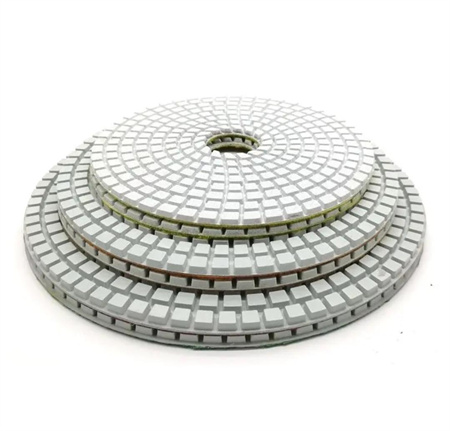
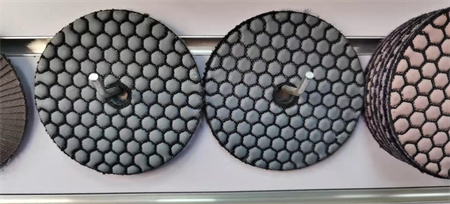
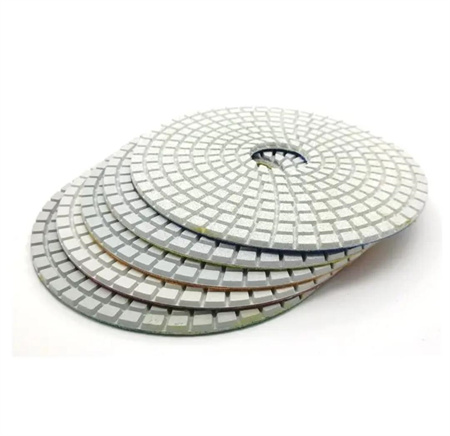
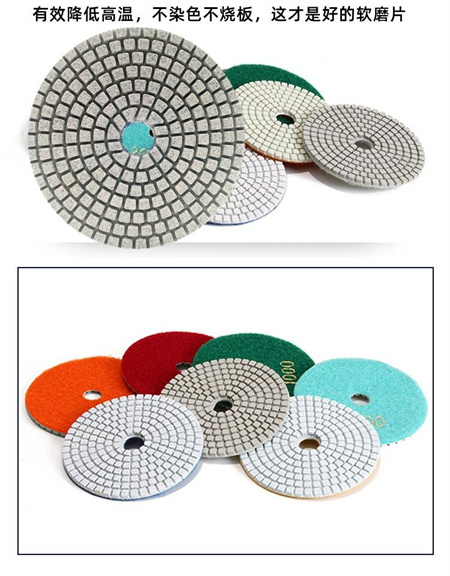
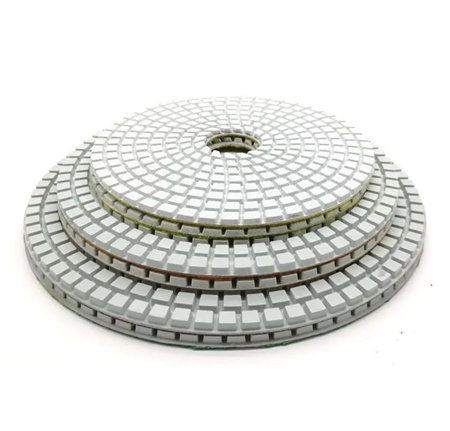
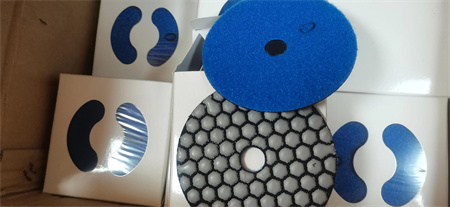
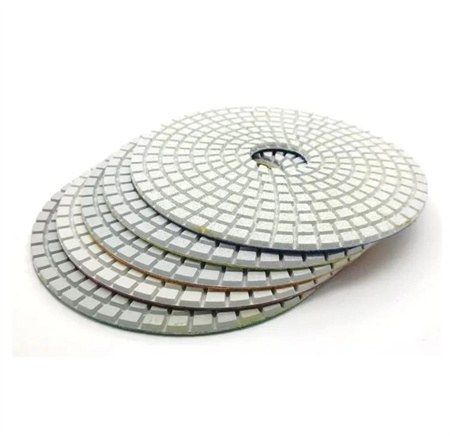
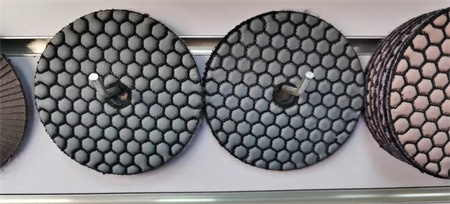
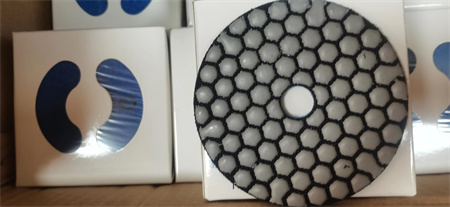
Diamond pads are an essential part of the modern stone restoration toolkit. They combine the durability and strength of diamonds with the flexibility needed for stone polishing and resurfacing. But what makes them so effective, and why are they the go-to choice for large-scale projects?
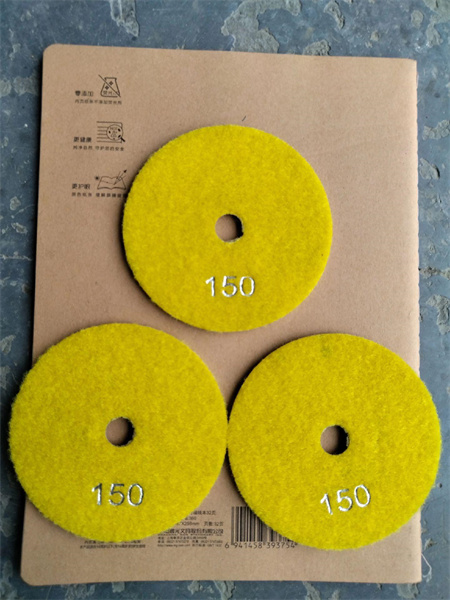
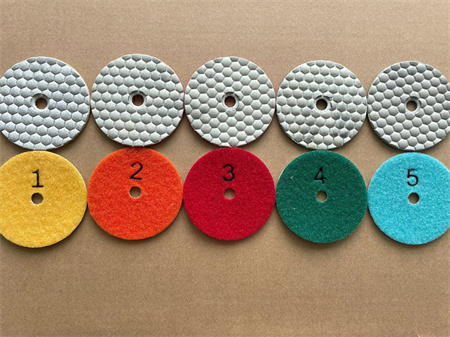
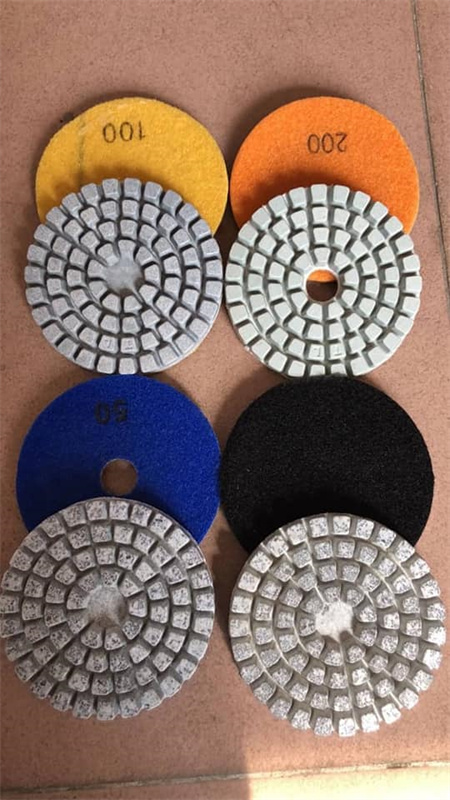
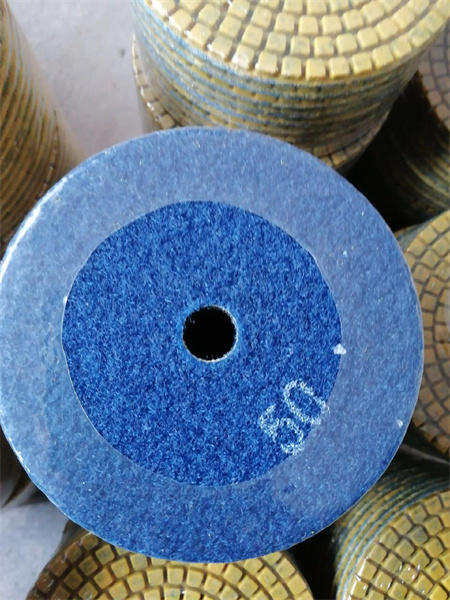
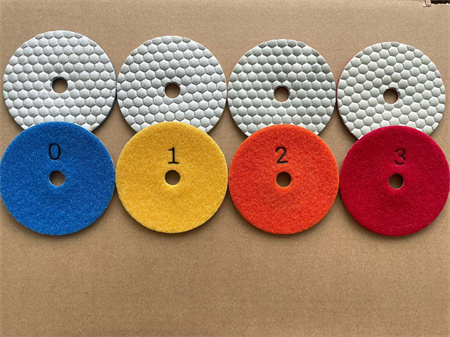
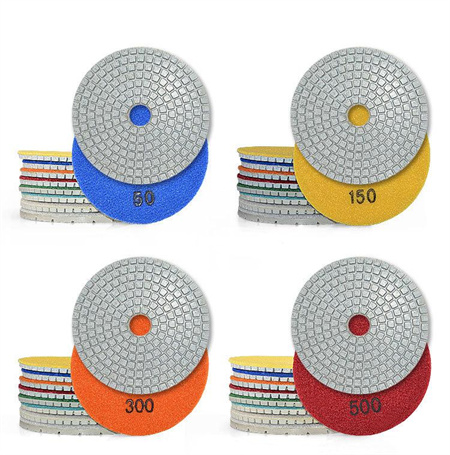
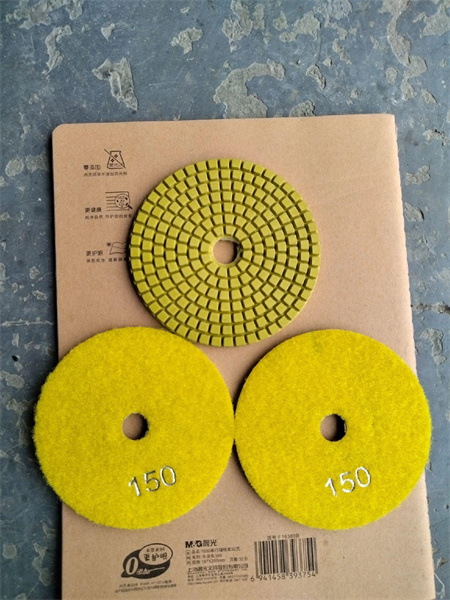
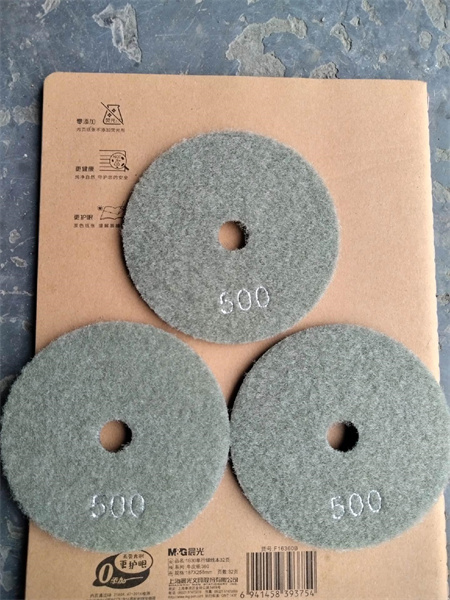
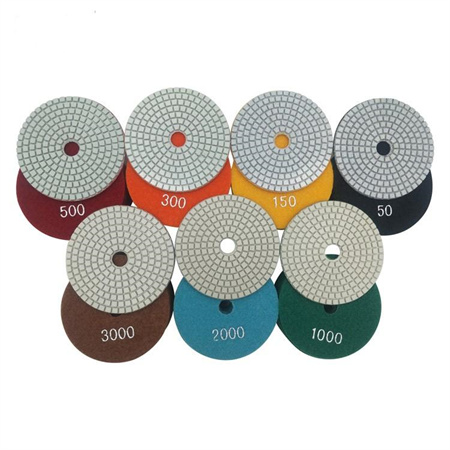
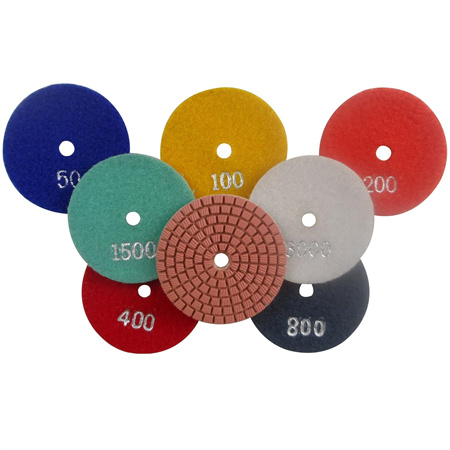
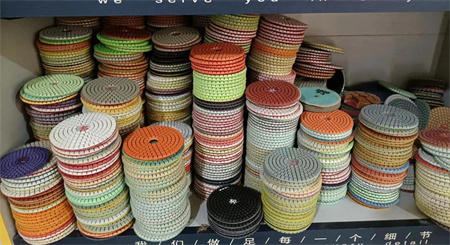
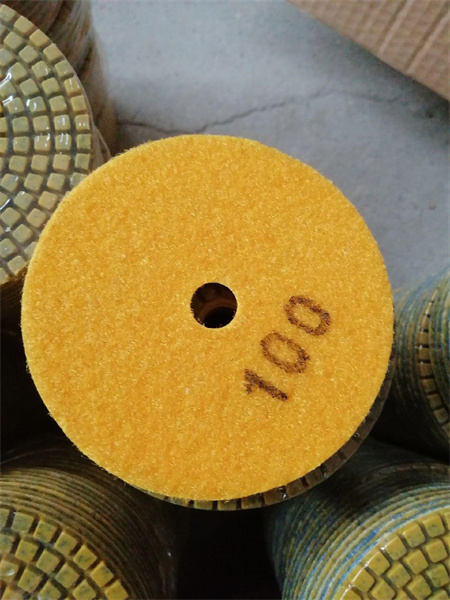
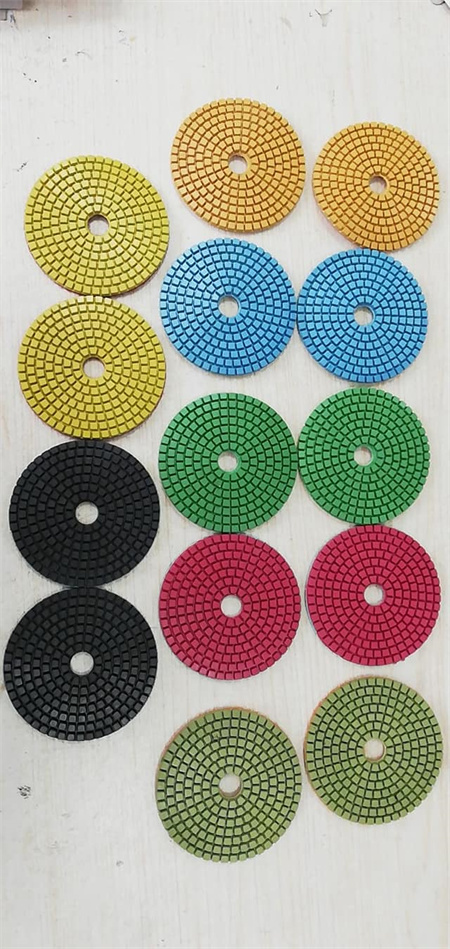
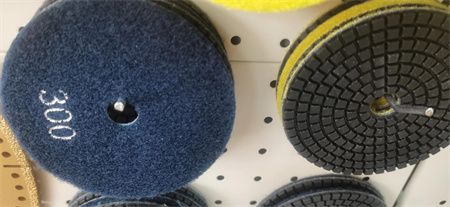
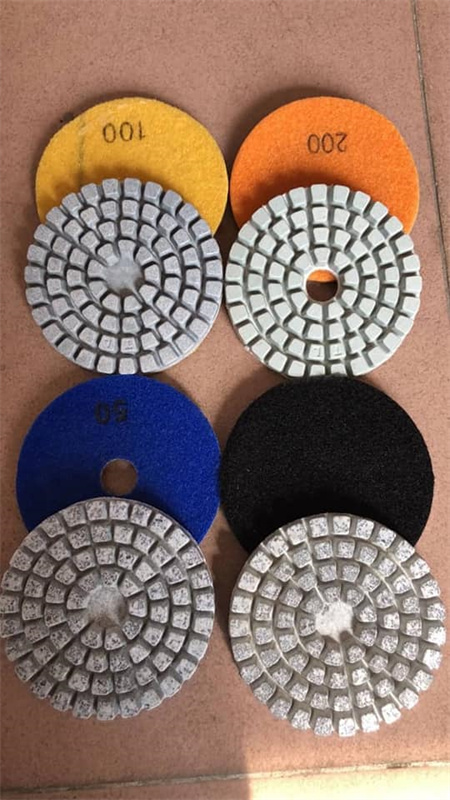
One of the challenges in stone restoration is achieving a smooth, even finish. In large spaces, such as shopping malls, office buildings, or historic properties, you need to maintain consistency across vast areas. Diamond pads are designed to ensure that the polishing process remains uniform, whether you’re working on a small patch or an expansive floor. The graded abrasiveness of diamond pads, which come in various grit levels, allows restorers to tackle everything from rough grinding to fine polishing. This flexibility makes them ideal for both heavy-duty grinding and delicate finishing.
Another key advantage of using diamond pads is their longevity. Traditional abrasives wear out quickly, especially when applied to large surfaces over extended periods. In contrast, diamond pads last much longer, offering excellent value for money. For large-scale restoration projects, the time saved in replacing worn-out tools and the reduction in labor costs can significantly impact the overall budget. Furthermore, diamond pads can be used on various types of stone, reducing the need for multiple different pads or tools for different surfaces. Whether working on marble, granite, or travertine, a well-maintained set of diamond pads can tackle the entire job.
The versatility of diamond pads also extends to the range of finishes they can achieve. Depending on the grit used, a diamond pad can help restore a stone surface to different levels of gloss or matte finishes. Some restorers prefer a high-gloss finish for high-end properties, while others may aim for a more subtle, natural look for rustic or historical stone. Regardless of the desired outcome, diamond pads can help achieve these results with precision and consistency.
Finally, the environmental impact of using diamond pads is also worth mentioning. Since diamond pads are incredibly durable, they reduce the frequency of tool replacements, which in turn minimizes waste. Additionally, diamond polishing can often eliminate the need for harsh chemicals or abrasive compounds, making it a more eco-friendly solution for stone restoration.
In large-scale stone restoration projects, the use of diamond pads is not just a matter of convenience—it’s a game-changer. Their ability to handle tough jobs, achieve high-quality finishes, and last longer than traditional methods makes them indispensable for professionals in the industry. With their unmatched efficiency and versatility, diamond pads continue to play a central role in transforming tired, worn-out stone surfaces into stunning, polished works of art.