Categories
Uncategorized

The Difference Between Economy and Premium Diamond Pads

The Difference Between Economy and Premium Diamond Pads
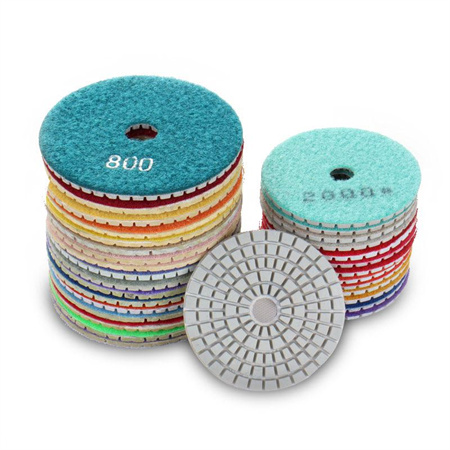
When it comes to polishing and finishing surfaces, diamond pads are an essential tool in industries like construction, automotive, and manufacturing. They are known for their durability and effectiveness in producing a smooth, high-quality finish. However, not all diamond pads are created equal. Two common categories of these pads are economy and premium, each offering distinct advantages depending on the job at hand. Understanding the differences between these two types can help you make an informed decision when choosing the right pad for your needs.
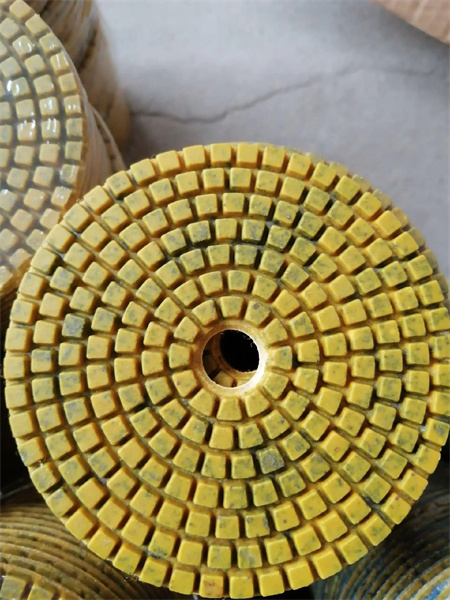
Economy diamond pads are designed for budget-conscious buyers or those who require frequent, low-cost solutions for general tasks. These pads are often made with a higher proportion of synthetic materials or lower-quality diamond crystals. As a result, they may not have the same longevity or cutting power as their premium counterparts. For light to moderate polishing tasks, economy pads can get the job done, but they tend to wear out faster and may require more frequent replacement.
One of the key characteristics of economy diamond pads is their versatility. They can be used on a wide range of surfaces, such as concrete, marble, granite, and terrazzo. This makes them a popular choice for contractors and hobbyists who need a cost-effective solution for various projects. However, while they may perform adequately on these surfaces, economy pads often leave behind more visible scratches or imperfections, especially when used on harder materials.
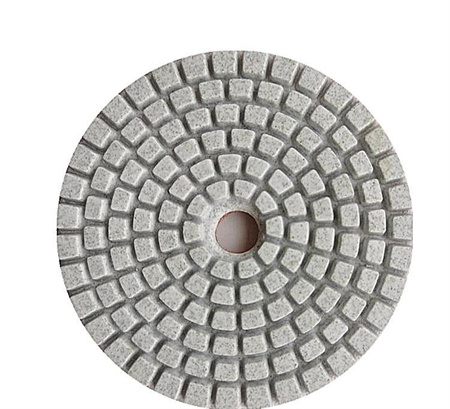
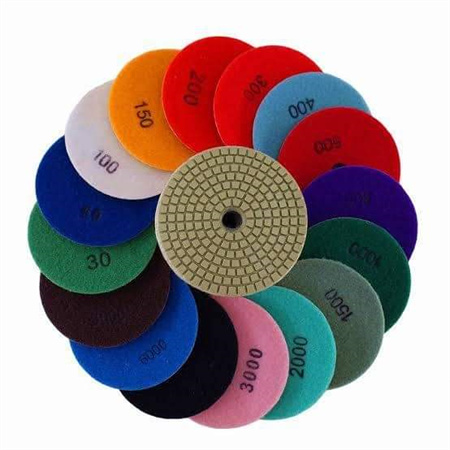
On the other hand, premium diamond pads are crafted with superior materials and advanced manufacturing techniques. These pads are built to last longer and offer exceptional performance on tough, hard surfaces. Premium diamond pads contain higher concentrations of high-quality diamonds, which ensures they maintain their cutting efficiency over a longer period. As a result, they are typically used in situations where precision, smoothness, and a flawless finish are paramount.
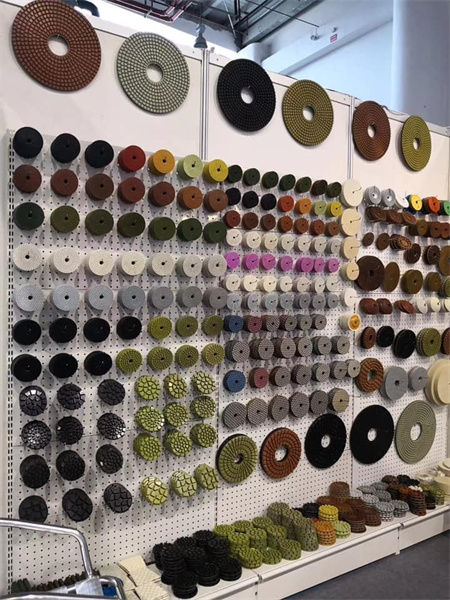
The Difference Between Economy and Premium Diamond Pads
The durability of premium pads is a major selling point. While they come with a higher initial cost, they are more efficient and cost-effective in the long run, as they require fewer replacements. Premium pads are designed to provide a smoother, more consistent finish, even on the hardest materials like granite or quartz. For professionals in industries that demand perfection, such as stone fabricators or high-end construction projects, these pads are the preferred choice.
The Difference Between Economy and Premium Diamond Pads
One of the noticeable differences between economy and premium diamond pads is the overall finish they leave behind. Economy pads, due to their lower-quality diamonds and softer bond, may produce a rougher finish with more visible scratch marks. In contrast, premium pads create a smooth, polished surface with minimal imperfections, which is especially important for high-end projects where aesthetics are crucial.
Another distinction is the wear rate. Economy pads tend to wear out much faster because of their less durable diamond coating. This means that not only will you need to replace them more often, but the consistency of the polish will also degrade over time. Premium pads, however, are designed to maintain their effectiveness for a longer duration, allowing you to achieve consistent results throughout their lifespan.
When it comes to cost, there’s no denying that premium diamond pads come at a higher price point. This can be a deterrent for users who don’t have high-volume or high-precision needs. However, for those who are looking for quality, speed, and a long-lasting solution, the investment in premium pads is well worth it. The higher upfront cost is often offset by the reduced need for replacements and the superior quality of work they provide.
Choosing between economy and premium diamond pads ultimately depends on the specific demands of your project. If you’re working on a tight budget or performing light-duty tasks, economy pads might be the right option. They can handle everyday polishing jobs and provide satisfactory results without breaking the bank. However, if your project requires the highest standard of finish, whether for commercial use or high-end applications, premium pads are the best choice. With their long-lasting durability, superior cutting power, and exceptional finishing capabilities, premium diamond pads are a worthwhile investment for any serious professional.
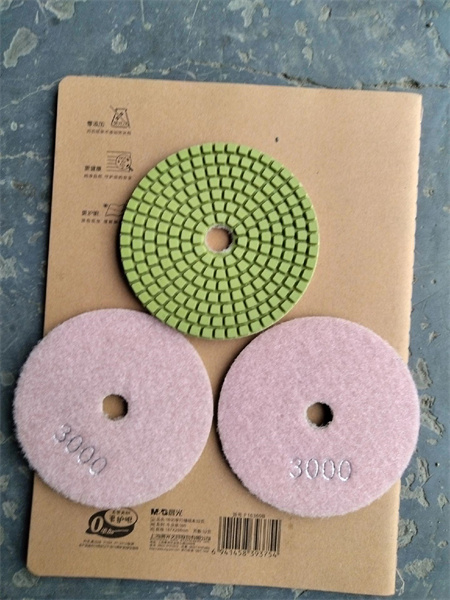
The Difference Between Economy and Premium Diamond Pads
In conclusion, the difference between economy and premium diamond pads boils down to quality, durability, and finish. While economy pads are suitable for basic tasks and general use, premium pads deliver superior results and stand up to the rigors of professional, high-precision work. By understanding the key differences, you can make a more informed decision and choose the right diamond pad for your next project.

Categories
Uncategorized

How Wholesalers Can Maximize Profit Margins with Diamond Pads

How Wholesalers Can Maximize Profit Margins with Diamond Pads
In the competitive world of wholesale distribution, every decision counts when it comes to maximizing profits. For wholesalers dealing in abrasive tools and materials, diamond pads offer a significant opportunity. These high-performance products are not only sought after in various industries, but they also provide a way to boost profit margins if leveraged correctly. But how exactly can wholesalers optimize their approach to selling diamond pads and tap into their full potential?
Understanding the Value of Diamond Pads

How Wholesalers Can Maximize Profit Margins with Diamond Pads
Diamond pads are renowned for their durability, precision, and versatility. These pads, typically used for polishing, grinding, and surface finishing, are in demand across sectors like construction, automotive, stone, and electronics. Unlike traditional abrasives, diamond pads stand out because they offer longer lifespans, superior performance, and a higher return on investment for end-users. This means wholesalers can charge a premium price, but also that customers expect products that deliver consistent quality over time.
To effectively maximize profit margins, wholesalers need to first understand the immense value diamond pads bring to the table. The products themselves are often more expensive to produce than traditional abrasives, but the cost difference is offset by the pads’ extended use and efficiency. By educating customers on these long-term benefits, wholesalers can justify higher prices and build customer loyalty.
How Wholesalers Can Maximize Profit Margins with Diamond Pads
Optimizing Inventory and Stocking Strategies
One of the easiest ways for wholesalers to increase profit margins with diamond pads is by optimizing their inventory management. Since these products are highly specialized and often cater to specific industries or applications, having the right variety in stock is essential. Wholesalers who focus on niche markets or industries can offer a curated selection of diamond pads that meet the unique demands of their customers. This strategy helps in reducing inventory turnover times while ensuring that you carry products that provide consistent demand.
For example, if your business serves the granite countertop industry, stocking diamond pads designed specifically for stone polishing can yield higher returns. Similarly, if you cater to the automotive repair industry, providing pads that work well with metal surfaces and detailing will make your offering more valuable.
Furthermore, wholesalers can streamline their operations by opting for bulk purchasing agreements with manufacturers. By ordering in larger quantities, wholesalers can often negotiate lower prices, giving them a better cost structure. This not only boosts profit margins but also allows for more flexibility in setting competitive prices for customers.
Marketing Diamond Pads for Maximum Appeal
Wholesalers who effectively market the unique advantages of diamond pads stand a better chance of increasing their profit margins. These products are often seen as an investment rather than just another commodity, and this perspective should be reflected in the way they are presented.
To market diamond pads successfully, wholesalers should focus on educating potential buyers about the benefits of using these high-end products. Highlighting the longevity, precision, and cost-efficiency of diamond pads compared to traditional abrasives is key. Additionally, offering product demonstrations or showcasing customer success stories can go a long way in building trust with potential buyers.
Online platforms and e-commerce websites are excellent tools for reaching a wider customer base. Wholesalers should invest in creating detailed product listings, including technical specifications, application guides, and high-quality images that showcase the pads’ performance. The more informed the customer, the more likely they are to appreciate the value that diamond pads provide, which can help justify a premium price.
Building Strong Customer Relationships
In the wholesale business, repeat customers are often the most profitable. With diamond pads, building long-term relationships with customers is particularly important. Given the specialized nature of these products, customers are more likely to return to wholesalers they trust for their high-quality offerings and personalized service.
Wholesalers can strengthen these relationships by offering exceptional customer support, including guidance on the right diamond pads for specific applications, as well as providing post-sale advice on maintenance and care. Offering flexible payment terms, loyalty discounts, and incentives for bulk orders can also incentivize repeat purchases and encourage long-term partnerships.
Wholesalers should also explore the potential of offering complementary products, such as polishing machines, cleaning solutions, or additional abrasives, to increase sales and broaden their product offerings. This not only increases the value of each transaction but also ensures that customers have everything they need to get the most out of their diamond pads.
Stay Ahead of Trends and Technology
The abrasive industry is constantly evolving, with new technologies and materials emerging regularly. To stay competitive and maintain healthy profit margins, wholesalers need to be proactive in staying ahead of industry trends. For example, innovations in diamond pad technology that enhance performance, such as improved diamond bonding or new surface coatings, can be marketed as superior alternatives to older products. Wholesalers who offer cutting-edge solutions are likely to attract more discerning customers who are willing to invest in quality.
Additionally, keeping an eye on market trends and adjusting inventory based on shifts in demand can help wholesalers avoid overstocking or understocking certain types of diamond pads. For instance, if there’s an uptick in construction projects, demand for certain types of polishing pads may increase. Anticipating these trends and acting swiftly can ensure that wholesalers are well-positioned to capitalize on growth opportunities.
In Conclusion
Maximizing profit margins with diamond pads requires a combination of strategic inventory management, effective marketing, strong customer relationships, and an eye on the latest industry innovations. By understanding the unique value of diamond pads and positioning them as premium, long-lasting products, wholesalers can attract a loyal customer base and boost their profitability. With the right approach, diamond pads can be much more than just another item on the shelf—they can become a key driver of business growth.

How Wholesalers Can Maximize Profit Margins with Diamond Pads

Categories
Uncategorized

Tips for Bulk Ordering Diamond Polishing Pads

Tips for Bulk Ordering Diamond Polishing Pads

Tips for Bulk Ordering Diamond Polishing Pads
When it comes to sourcing diamond polishing pads in bulk, the process can feel overwhelming, especially when you’re juggling quality, cost, and availability. Whether you’re outfitting a professional polishing service, managing a large-scale production line, or stocking up for a long-term project, making the right choice is crucial. To help guide you through the maze of options, here are some essential tips for bulk ordering diamond polishing pads.
Tips for Bulk Ordering Diamond Polishing Pads
The first thing you’ll want to consider is the type of material you plan to polish. Different materials require different levels of abrasiveness, and choosing the right diamond polishing pads for the job can make a huge difference in the outcome. For example, polishing granite, marble, or concrete all have their own unique requirements. You wouldn’t use the same pad to polish soft limestone as you would to buff out a hard granite countertop. Knowing your material ahead of time helps you select pads with the right grit size and diamond concentration to achieve a flawless finish.
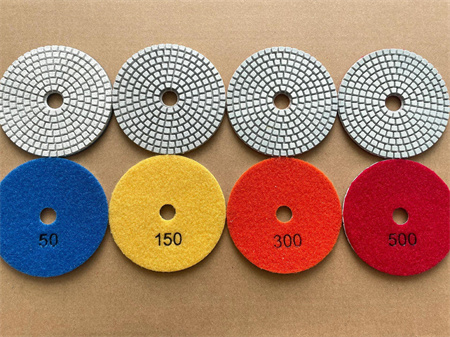
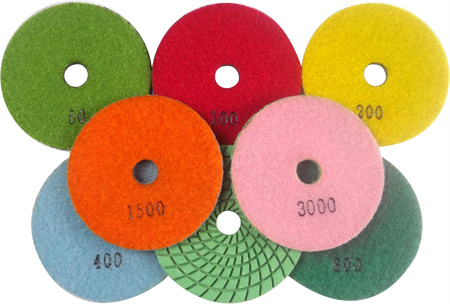
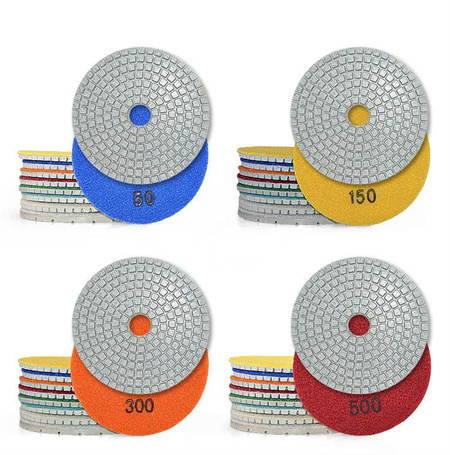
Another key factor in bulk ordering is grit selection. Diamond polishing pads come in a variety of grit sizes, usually ranging from coarse to fine. The finer the grit, the smoother the finish you can expect. Coarse pads are excellent for initial surface preparation, removing scratches and imperfections, while finer grits are used for the final polish. When ordering in bulk, it’s important to strike a balance between different grit levels. For a range of polishing jobs, you might want to order pads in sets that include both coarse, medium, and fine options. If you are only dealing with specific tasks, you can focus your bulk order on one particular grit size that will be most effective.
Tips for Bulk Ordering Diamond Polishing Pads
Don’t overlook the pad material itself. Diamond polishing pads come in various forms—wet or dry, resin-bonded or metal-bonded—and the type you select should depend on your work environment. Wet polishing pads are ideal for use with water, which helps reduce friction and keeps the pads cooler during use. Dry polishing pads, on the other hand, are more convenient for situations where water isn’t feasible, though they may wear out faster. Resin-bonded pads offer superior flexibility, providing smoother finishes, while metal-bonded pads tend to be more aggressive and durable, suitable for heavy-duty jobs. Your choice of pad material can dramatically affect not just the speed and efficiency of your work, but also the longevity of the pads themselves.
Quality control is non-negotiable when ordering in bulk. While it’s tempting to go with the lowest-priced option, cutting corners on quality could lead to subpar performance and additional costs in the long run. Look for suppliers with a strong reputation in the industry, ones who offer reliable warranties and have been vetted by professionals. It’s also wise to read reviews and talk to other businesses who have purchased from these suppliers to get a sense of their experiences. A high-quality diamond polishing pad will last longer, perform better, and ultimately save you money by reducing the need for frequent replacements.
Packaging and shipping is another consideration that might be overlooked when placing a bulk order. If you’re ordering large quantities, you want to ensure that the pads will be delivered in excellent condition. Inquire about the packaging methods used to protect the pads during transport. Make sure they are securely packed to avoid damage from rough handling, which could lead to scratches or imperfections before they even reach your business.
Before pulling the trigger on a large order, sample testing can be a lifesaver. Many suppliers offer the option to purchase a small quantity or sample pack of pads. Taking the time to test these pads on your materials and machinery before committing to a full bulk order can save you from wasting money on products that don’t meet your expectations. Testing helps you assess the performance, lifespan, and effectiveness of the pads in your specific work environment.
Lastly, don’t forget to think ahead about maintenance and replacement. Diamond polishing pads will naturally wear down over time, especially with heavy use. When placing your bulk order, consider the long-term maintenance needs and make arrangements for timely replenishment. It’s a good idea to keep track of how quickly your pads degrade and plan future orders accordingly. Many suppliers offer discounts or incentives for repeat customers, so it might be worth asking about bulk ordering programs or loyalty benefits.
In the end, bulk ordering diamond polishing pads can be a cost-effective and efficient way to maintain a smooth, professional operation. By carefully considering the type of material you’re working with, the right grit and pad material, ensuring high-quality options, and factoring in testing, packaging, and future replenishment, you’ll be setting your business up for success. Thoughtful planning now can translate into smoother operations and higher-quality finishes in the future.

Categories
Uncategorized

Professional Reviews of the Latest Diamond Polishing Pads

Professional Reviews of the Latest Diamond Polishing Pads
When it comes to achieving a flawless, mirror-like finish on stone, concrete, or even glass, diamond polishing pads have become the go-to solution for professionals across industries. With advancements in technology and material science, the latest diamond pads are delivering performance that’s quicker, more efficient, and longer-lasting than ever before. For professionals in the field, understanding how these new products stack up can make all the difference between a good job and an exceptional one.

Professional Reviews of the Latest Diamond Polishing Pads
Diamond polishing pads have evolved significantly over the years, and the latest versions are nothing short of impressive. Whether you’re polishing marble countertops, granite flooring, or concrete surfaces, the choice of pad can dramatically affect the results. Many of the recent releases boast better durability, faster cutting power, and improved consistency, all while maintaining a high level of user comfort.
The new diamond pads on the market have been engineered to meet the demands of both speed and precision. What stands out is the enhanced diamond grit technology used in the pads. With smaller, more uniformly distributed diamond particles, the polishing action is smoother and more even. This results in a finer, high-gloss finish with less effort. Unlike older pads, which may require several passes to achieve the desired shine, the latest versions can deliver professional-level results in fewer steps. This saves time for contractors and maintenance crews who need to move quickly without compromising quality.
For instance, one standout in the latest lineup is the UltraTech Diamond Polishing Pad, designed for versatility across a range of materials, from natural stones to engineered surfaces. The pad features a unique resin bonding system that helps to minimize heat buildup, a common issue with older models that can damage surfaces. The cooling effect ensures that the surface being polished remains intact, preventing any unwanted discoloration or degradation. Furthermore, the flexible design of the UltraTech pads allows them to conform to uneven surfaces, making them ideal for countertops with intricate designs.
Another noteworthy product is the DiamondFlex Pro Series, engineered specifically for heavy-duty jobs. Whether it’s for large-scale commercial projects or industrial applications, these pads provide rapid material removal without sacrificing the finish quality. The innovative design of the DiamondFlex series ensures that even on rough, porous surfaces like concrete or terrazzo, the polishing results are consistently smooth and uniform. What makes this product particularly appealing is its long lifespan. Unlike traditional polishing pads that can wear out after a few uses, the DiamondFlex Pro Series continues to deliver top-notch performance, making it an excellent investment for professionals who rely on reliability.
Not only are these new pads built for durability, but they also feature cutting-edge ergonomics. Manufacturers have paid close attention to the comfort and ease of use for technicians, who often work long hours on polishing tasks. For example, the FlexiEdge Diamond Pad is designed with an ergonomic shape that reduces hand strain, allowing users to maintain control and comfort throughout the polishing process. This focus on user comfort doesn’t just increase productivity; it also contributes to better results. When a technician is less fatigued, they can maintain consistent pressure, which directly impacts the finish quality.
Environmental considerations have also become a focus in recent developments. Manufacturers are increasingly using eco-friendly materials and processes in the production of their diamond polishing pads. This move towards sustainability not only benefits the planet but also gives professionals the option to choose products that align with their own environmental values. Many of the latest pads are made with non-toxic resins and are free of harmful chemicals, ensuring that they’re safe for both the user and the environment.
While performance and durability remain at the forefront of product design, the ease of maintenance is another factor that sets the latest pads apart. Cleaning and maintaining diamond polishing pads can be a chore, especially after heavy use. The latest models, however, feature self-cleaning technology that helps to reduce clogging and wear. The result is that these pads require less maintenance, making them more cost-effective in the long term. Professionals can focus on the job at hand, not on constantly cleaning and replacing their pads.
Professional Reviews of the Latest Diamond Polishing Pads
In conclusion, the latest diamond polishing pads are a game changer for professionals in the polishing and finishing industries. With better materials, innovative designs, and a focus on ease of use, these pads are setting new standards for quality and efficiency. Whether you’re tackling intricate stone surfaces or large industrial areas, the newest offerings promise faster, more reliable results with less effort and cost. For anyone in the field looking to take their work to the next level, investing in one of these advanced diamond polishing pads is a step in the right direction.
Professional Reviews of the Latest Diamond Polishing Pads

Categories
Uncategorized

Predictions for Diamond Tools in Architectural Projects

Predictions for Diamond Tools in Architectural Projects
In the ever-evolving world of architecture, the tools that shape our structures are advancing at an incredible pace. One such tool, often revered for its strength and precision, is the diamond tool. Used in a range of applications from cutting to grinding, diamond tools have revolutionized the way architects and builders approach their projects. As we look toward the future, there are several key trends and predictions about how diamond tools will continue to influence architectural design and construction.

Predictions for Diamond Tools in Architectural Projects
To start, it’s clear that the demand for more efficient and durable materials will drive the evolution of diamond tools. With architecture pushing the boundaries of design, from intricate facades to complex interior finishes, the need for precision in cutting and shaping materials like concrete, stone, and glass will only grow. The versatility of diamond tools makes them indispensable in these scenarios. Whether it’s for polishing marble surfaces, cutting through reinforced concrete, or creating sharp, clean edges on glass, diamond tools allow architects and builders to execute the most ambitious designs without compromising on quality.
One major trend is the rise of smart and automated tools. The integration of smart technology into diamond tools is poised to make a significant impact. Imagine a cutting tool equipped with sensors that can measure the temperature and pressure in real-time, adjusting its speed and force for optimal performance. This not only extends the life of the tool but also ensures higher precision and efficiency in execution. For architects, the ability to fine-tune a tool’s performance to suit the specific material being worked on is a game-changer. It means less downtime, fewer mistakes, and more consistent results across large-scale projects.
Predictions for Diamond Tools in Architectural Projects
Another exciting development is the growing use of diamond tools for sustainable building practices. As the construction industry faces increased pressure to adopt environmentally friendly methods, diamond tools can play a crucial role. These tools are known for their longevity, meaning fewer replacements are needed, reducing waste and consumption of resources. Additionally, diamond tools’ precision minimizes the need for rework, cutting down on excess material usage. The efficiency of diamond cutting can also contribute to energy savings, as high-performance tools are often faster and require less energy to operate compared to traditional methods. As architects and builders become more committed to sustainability, the demand for tools that reduce the environmental impact of construction will continue to rise.
The development of specialized diamond tools is another trend that will shape the future of architecture. As architectural designs become more intricate, there is a growing need for tools that can handle specialized tasks with unparalleled accuracy. For example, diamond blades designed for cutting specific materials like ultra-high-performance concrete or glass can help achieve smoother, cleaner cuts. Similarly, diamond grinding tools are being refined to provide more consistent finishes on a variety of surfaces, from polished marble to rough granite. These tools are becoming more customizable, allowing architects and builders to select tools that are perfectly suited for each unique project.
One of the most promising aspects of diamond tool technology is its potential to enhance safety on construction sites. Modern diamond tools are designed with user safety in mind, featuring built-in safety features such as vibration reduction and dust suppression. As construction sites continue to adopt more rigorous safety standards, the role of diamond tools in reducing risks will become even more critical. With less dust and debris generated during cutting and grinding, there will be fewer health hazards for workers, and the overall safety of the site will improve.
Looking ahead, the future of diamond tools in architectural projects is undeniably bright. With advancements in smart technology, sustainability, specialization, and safety, these tools are becoming increasingly integral to the construction process. Architects and builders will be able to push the boundaries of what’s possible, creating structures that are not only functional and beautiful but also more efficient and environmentally responsible. As the construction industry continues to innovate, diamond tools will remain at the forefront, enabling new possibilities for design and construction. Whether it’s a towering skyscraper or a modernist home, the role of diamond tools in shaping the future of architecture is set to be more critical than ever.
Predictions for Diamond Tools in Architectural Projects

Categories
Uncategorized

What to Expect from Diamond Pads in the Next 5 Years

What to Expect from Diamond Pads in the Next 5 Years

What to Expect from Diamond Pads in the Next 5 Years
In the next five years, diamond pads are poised to revolutionize the way we approach surface finishing, whether it’s in the manufacturing of semiconductors, automotive parts, or even the beauty industry. As technology evolves, so too does the potential of these high-performance tools, which have long been valued for their precision, durability, and effectiveness. But what does the future hold for diamond pads? Let’s take a closer look.
First, expect innovation in the material science behind diamond pads. As demand for even finer surface finishes grows across various industries, manufacturers are refining the composite materials that make up diamond pads. New formulations will likely offer enhanced wear resistance and more consistent performance over time. This means pads that can last longer and maintain their cutting or polishing effectiveness, reducing the need for frequent replacements. For businesses, this translates to cost savings and higher efficiency in their operations.
The next major development will likely come in the area of customization. With advancements in artificial intelligence and machine learning, it’s only a matter of time before diamond pads can be tailored more precisely to specific tasks. Imagine a pad that adjusts its texture, abrasiveness, or polishing power based on real-time data gathered from the surface it’s working on. This level of customization would not only improve the quality of the finished product but also make processes faster and more efficient. The ultimate goal would be a fully adaptive pad that changes according to the material being worked on, creating a seamless and optimal surface finish every time.
In terms of sustainability, the future of diamond pads is also shifting toward greener practices. Traditional methods of producing these high-end tools can involve environmentally harmful processes, but innovations in manufacturing techniques and recycling technologies will likely play a major role in reducing their environmental footprint. Some companies are already looking into eco-friendly alternatives to synthetic diamonds, which could make these products not only more efficient but also more sustainable in the long term. As industries become more aware of their environmental impact, diamond pad producers will have to adapt, potentially leading to the creation of more eco-conscious versions that appeal to businesses with sustainability goals.
What to Expect from Diamond Pads in the Next 5 Years
The speed of technological advancements in automation and robotics will also affect diamond pad usage. In factories and workshops, the automation of grinding, polishing, and cutting processes will be increasingly common, and diamond pads will become a critical part of that machinery. As robots take over more of these tasks, diamond pads must integrate seamlessly with advanced systems, ensuring that the same level of precision and consistency is maintained at a higher volume. The future will likely bring a more automated, streamlined approach to surface finishing, and diamond pads will be right at the heart of that transformation.
What to Expect from Diamond Pads in the Next 5 Years
The future of diamond pads will also witness an expansion in their applications. While they have traditionally been used in fields like semiconductor manufacturing, jewelry polishing, and automotive finishing, emerging industries could drive new demand. The aerospace sector, for example, with its need for precision and durability in critical components, may begin to adopt diamond pads for tasks previously performed by other abrasives. Likewise, as the medical device industry grows, diamond pads could play a crucial role in the fine polishing of parts that demand the highest standards of cleanliness and precision.
One of the most exciting prospects for diamond pads is their role in improving energy efficiency. In industries where high heat and friction are factors, diamond pads’ superior heat resistance could help mitigate energy waste during the manufacturing process. As industries look to reduce costs and their carbon footprint, diamond pads may become an integral part of systems designed to enhance both performance and sustainability.
Looking ahead, it’s clear that the next five years will see significant advancements in diamond pad technology. These tools will become more efficient, adaptable, and environmentally friendly, driven by innovations in material science, artificial intelligence, and automation. Whether it’s longer lifespan, better customization, or new applications in diverse industries, diamond pads will continue to be essential to achieving the ultimate in precision and performance in surface finishing. Keep an eye on these developments, as they will undoubtedly reshape the way we approach manufacturing and production in the years to come.

Categories
Uncategorized

Testing Pad Longevity Across Various Stone Types

Testing Pad Longevity Across Various Stone Types
When it comes to maintaining the beauty and durability of stone surfaces, one of the most essential tools in any professional’s kit is the testing pad. Whether you’re working with granite, marble, limestone, or any other natural stone, understanding how different stone types interact with testing pads can significantly affect both the longevity of the stone itself and the effectiveness of the maintenance routine. This article explores the factors that influence testing pad longevity across various stone types and why this knowledge is vital for both homeowners and industry professionals.
Stone surfaces are inherently diverse, each with its unique characteristics that determine how well they withstand wear and tear. This variance often extends to the way testing pads perform during cleaning or maintenance procedures. The material composition of the stone, its porosity, hardness, and surface finish all come into play when evaluating pad performance. Over time, testing pads used on stone surfaces will show signs of wear, but understanding how long they last can prevent unnecessary costs and ensure that the right tools are always used for the job.
Granite, one of the hardest and most durable stones, tends to be quite forgiving when it comes to pad longevity. Its dense, non-porous structure resists scratching and staining, meaning that a quality testing pad can last a significant amount of time even when used for intense cleaning or polishing tasks. However, the pad’s effectiveness will begin to diminish as it accumulates grime and residue, which is common when working with granite surfaces. Regular cleaning and replacing of pads will help maintain the integrity of both the pad and the stone surface.
Marble, on the other hand, is a much softer and more porous material. Its susceptibility to scratching and staining means that it requires extra care when it comes to selecting the right testing pad. Due to marble’s smooth, glossy finish, it’s easy to be misled into thinking that the stone is resistant to damage, but in reality, improper pad usage can cause irreversible damage. The longevity of testing pads used on marble is generally shorter because of the gentle approach required for cleaning. While pads may wear out faster, their primary purpose is not only to maintain marble’s luster but also to preserve its natural surface without causing harm. Using the correct pad for each stage of marble maintenance—whether for polishing, honing, or cleaning—ensures a longer lifespan for both the stone and the tools.
Limestone, which is often chosen for its earthy appearance and natural texture, presents another unique set of challenges. Being more porous than granite and softer than marble, limestone can be easily scratched or damaged by abrasive cleaning pads. The longevity of testing pads on limestone depends heavily on the type of finish applied to the stone and the degree of exposure to dirt and debris. When used on unsealed limestone or rough-hewn finishes, testing pads may wear out quickly. However, with proper maintenance and the use of softer, more specialized pads, they can still serve their purpose for a reasonable period without causing damage.

Testing Pad Longevity Across Various Stone Types
Slate, known for its distinctive layered texture, is yet another stone type that requires careful consideration when choosing the right testing pad. The pad’s longevity can be significantly impacted by the slate’s natural clefts and uneven surface. While slate can be quite resilient in terms of durability, cleaning pads used on it may not last as long as those used on smoother surfaces like granite. Slate’s natural oils and dust tend to accumulate quickly, which can lead to quicker pad degradation. On the positive side, slate’s resilience and relatively low porosity mean that it doesn’t require the same level of maintenance as more delicate stones, making the pads slightly more durable when used correctly.
A key factor that can extend the longevity of testing pads across all stone types is the proper choice of pad material and grit. Many cleaning pads are made from synthetic fibers or natural materials such as wool, and selecting the right type for the specific stone surface can make all the difference. For instance, pads with finer grit are ideal for softer stones like marble and limestone, while coarser pads are more suitable for harder materials like granite. Additionally, using pads that are designed for specific tasks—such as polishing, honing, or scrubbing—can ensure they last longer while providing superior results.
In the world of stone care, pad longevity is often tied to how well-maintained the pads themselves are. Regularly cleaning pads after use, storing them properly, and replacing them at the right time can help extend their lifespan. For professional cleaners, knowing when to retire a worn pad is just as important as knowing when to switch to a new one. It’s always a balance between ensuring optimal results and minimizing the wear and tear on both the pads and the stone surfaces.
In conclusion, the longevity of testing pads across various stone types is influenced by a multitude of factors, including the stone’s hardness, porosity, and surface finish. Each type of stone—granite, marble, limestone, and slate—has its own set of requirements when it comes to cleaning and maintenance. With the right approach and attention to detail, testing pads can serve their purpose effectively, keeping stone surfaces looking their best for years to come. Whether you’re an experienced stone professional or a homeowner seeking to preserve your stone surfaces, understanding how to choose and maintain testing pads will go a long way in ensuring the longevity of both your pads and your stone.
Testing Pad Longevity Across Various Stone Types

Testing Pad Longevity Across Various Stone Types

Categories
Uncategorized

Troubleshooting Common Problems with Diamond Polishing Pads

Troubleshooting Common Problems with Diamond Polishing Pads
Diamond polishing pads are an essential tool in the world of stone, concrete, and marble finishing. Whether you’re a professional or a DIY enthusiast, these pads can help you achieve a flawless, high-gloss finish on a variety of surfaces. However, like any specialized equipment, diamond polishing pads can encounter issues over time, leading to less-than-ideal results. If you’ve found yourself struggling with inconsistent finishes, uneven wear, or other common issues, you’re not alone. Let’s take a closer look at the typical problems you might face with diamond polishing pads and how to troubleshoot them effectively.
1. Uneven Surface Finish
One of the most common complaints when using diamond polishing pads is an uneven or streaky surface finish. This problem often occurs when there is improper pad selection or incorrect technique.
The first thing to check is the grit of the polishing pad. If you’re aiming for a high-gloss finish but still using a coarser grit pad, the surface may not smooth out completely. In this case, make sure to progress through the appropriate grit levels—from coarse to fine—before achieving that mirror-like shine. On the other hand, using a pad that’s too fine too early can leave swirls and uneven textures behind, as it won’t have enough abrasiveness to remove the previous layers properly.
Another factor to consider is the amount of pressure you’re applying. Too much pressure on the pad can lead to uneven abrasion and inconsistencies in the finish. Light, consistent pressure is often the key to achieving an even, professional result.
2. Pad Clogging
Clogging of the diamond polishing pad can severely hinder your progress and the quality of the final result. This problem is typically caused by resin or other materials building up on the surface of the pad. It’s especially common when polishing materials with a high resin content, such as granite or engineered stone.
To solve this issue, try cleaning the pad frequently while you work. A quick rinse with water can remove debris and prevent it from accumulating. In some cases, using a cleaning stone or a specialized pad cleaning solution can help dislodge the buildup. If the clogging persists, consider switching to a higher-quality pad designed specifically for the material you’re working with.
3. Pad Wear and Tear
Over time, diamond polishing pads naturally degrade due to the constant friction against hard surfaces. However, there are a few ways to extend their lifespan and prevent premature wear.

Troubleshooting Common Problems with Diamond Polishing Pads
The key here is to maintain the proper speed settings on your polishing tool. Running the tool at excessively high speeds can lead to faster wear of the diamond particles on the pad, ultimately shortening its lifespan. On the flip side, running the tool too slowly may not provide enough friction to effectively polish the surface. It’s essential to find a balance that matches both the material you’re polishing and the pad’s design.
You should also be mindful of the material you’re working with. Harder stones and surfaces, like granite or concrete, will naturally wear down your pads faster compared to softer materials like marble or limestone. Rotate between multiple pads if necessary to give each one a chance to cool down and recover, preventing uneven wear.
4. Discoloration and Staining
If you notice discoloration or staining on your polished surfaces, it could be due to the use of the wrong type of pad or improper cleaning methods. Some pads are not designed for use with certain materials, and using them can result in discoloration that can’t be removed by conventional cleaning methods.
The best solution here is to ensure that you’re using the right pad for the job. There are diamond pads designed specifically for use with marble, granite, concrete, and even terrazzo. Check the manufacturer’s recommendations to match the right pad with the right material. Additionally, always ensure that the pad is clean before use. If you’re polishing a sensitive material, avoid using a pad that’s been previously used on other surfaces, as it may transfer residues or chemicals that could stain the material you’re working on.
5. Overheating the Pad
Another common issue when using diamond polishing pads is overheating. If the pad is getting too hot, it can cause the diamond particles to lose their effectiveness, resulting in an ineffective polish and a shorter pad lifespan. Overheating is often caused by excessive pressure or using the pad for too long without cooling breaks.
To prevent overheating, take frequent breaks during the polishing process. Let the pad cool down between uses, especially when working with harder materials that require more effort to polish. Additionally, using water or a cooling solution while polishing can help dissipate heat and prevent damage to both the pad and the surface.
6. Insufficient Water Use
Water is an essential element in diamond polishing, as it helps to keep the pad cool and prevents dust and debris from building up. Without sufficient water, you risk damaging both the pad and the surface you’re polishing. If you’re working in dry conditions or notice the pad drying out quickly, it’s a sign that you’re not using enough water.
Make sure to keep the surface adequately wet throughout the polishing process. This is especially important when working with harder materials. If you’re working in an area where water use is limited, consider investing in a dry polishing pad that is designed to handle such conditions.
Troubleshooting Common Problems with Diamond Polishing Pads
Conclusion
Diamond polishing pads are an invaluable tool for achieving high-quality finishes, but like any tool, they require proper maintenance and care to perform optimally. Whether you’re facing issues with uneven finishes, pad clogging, or excessive wear, addressing these problems early can save you time, effort, and money in the long run. By understanding the common issues associated with diamond polishing pads and implementing the right solutions, you can ensure that your next polishing job results in a flawless, professional-quality finish.

Troubleshooting Common Problems with Diamond Polishing Pads

Categories
Uncategorized

Why Seasonal Conditions Matter in Stone Restoration

Why Seasonal Conditions Matter in Stone Restoration
Stone, with its timeless elegance, has been a cornerstone of architecture for centuries. Whether in historic buildings, sculptures, or monuments, stone has the ability to endure through ages, but like all materials, it’s not impervious to the elements. Over time, weather conditions take their toll, and when it comes to stone restoration, the role of seasonal conditions cannot be overlooked. The varying temperatures, humidity levels, and precipitation throughout the year can significantly impact the process and effectiveness of stone restoration, making it essential to consider these factors when planning any project.

Why Seasonal Conditions Matter in Stone Restoration
In the colder months, freezing temperatures pose a significant challenge. Water can seep into the pores of the stone, and when it freezes, it expands, causing cracks and fissures. This freezing-and-thawing cycle can degrade the stone’s surface and lead to long-term damage. For restoration work, this means waiting for the warmer, more stable months to begin repairs or applying protective sealants during the colder season to prevent further damage. Skilled restoration professionals understand the importance of timing and typically schedule their projects to avoid these frost-related pitfalls, ensuring that the stone doesn’t suffer additional stress during the repair process.
Spring and fall, with their moderate temperatures and lower humidity levels, are often the most ideal times for stone restoration. The moderate climate reduces the risk of thermal expansion or contraction, which can alter the stone’s structure. Additionally, the stable weather during these seasons allows for the use of more advanced restoration techniques, such as cleaning, repointing, or applying protective coatings. In spring, the end of frost and moisture buildup from winter allows stone surfaces to dry out adequately before any restoration work begins, while the fall provides an opportunity for finishing touches before the cold weather sets in again.
Humidity is another crucial factor that must be considered when restoring stone. High humidity levels can introduce excessive moisture into the stone, particularly porous types like limestone or sandstone. This not only makes cleaning and treatment more difficult but can also lead to the growth of mold or algae, which further deteriorates the stone’s integrity. Restoration specialists often adjust their techniques according to humidity levels, using low-moisture methods when possible to avoid trapping water inside the stone. The ideal conditions are those with a balance of moderate humidity and temperature, ensuring that any water used in the restoration process evaporates quickly and doesn’t linger in the stone, potentially causing damage.
Summers can be both a blessing and a curse for stone restoration. On the one hand, long hours of sunlight and dry weather can accelerate drying times for cleaned or treated surfaces, allowing for faster project completion. On the other hand, intense heat can cause stone to expand and crack, especially if the stone is exposed to direct sunlight for prolonged periods. It is critical for restoration professionals to avoid working during the hottest parts of the day and to ensure that stone surfaces are kept shaded or cool while restoration work is being carried out. Properly timed breaks and cooling methods can help mitigate the risks posed by high temperatures.
Why Seasonal Conditions Matter in Stone Restoration
Each season also brings its own set of environmental pollutants that can impact the restoration process. For instance, springtime often ushers in an influx of pollen and plant debris, which can settle on newly cleaned stone surfaces and cause staining or damage. Autumn, while generally favorable for restoration, sees its own challenges with falling leaves and the accumulation of organic matter. Environmental factors such as these are another reason why timing is everything in stone restoration. Restorers need to be prepared for the specific demands of each season to ensure the highest quality of work.
Why Seasonal Conditions Matter in Stone Restoration
Choosing the right season for stone restoration isn’t just about weather—it’s about anticipating how each seasonal condition will interact with the stone and the materials used for repair. A successful restoration project requires a deep understanding of these factors and the ability to adapt techniques accordingly. A skilled restoration team will not only account for temperature and humidity but also plan their work schedules around the specific needs of the stone and the season in question.
In conclusion, when embarking on a stone restoration project, paying close attention to seasonal conditions is crucial. Temperature fluctuations, humidity, and environmental factors can all have a profound impact on the success and longevity of restoration work. By carefully planning and selecting the optimal time for repairs, you ensure that the stone can withstand the test of time, not just in terms of age, but in quality of preservation. Whether you are preserving a historic building or simply maintaining the beauty of your stone surfaces, understanding how seasonal conditions affect the materials is key to achieving lasting results.

Categories
Uncategorized

The Role of Augmented Reality in Pad Selection Training

The Role of Augmented Reality in Pad Selection Training
In recent years, the field of training and education has undergone a significant transformation, thanks in large part to the advent of augmented reality (AR). One area where this technology has shown remarkable potential is in pad selection training, particularly within industries that rely heavily on precise equipment choices, such as electronics manufacturing, automotive, and even medical fields. The integration of AR into this training process not only enhances the learning experience but also makes it more efficient, interactive, and impactful.
Pad selection, often associated with the assembly of electronic components or mechanical systems, requires a keen understanding of various materials, sizes, tolerances, and performance characteristics. In traditional training environments, learners typically rely on textbooks, diagrams, and physical demonstrations, which can sometimes fall short in delivering the hands-on experience needed for mastery. Augmented reality offers a novel way to bridge this gap by creating immersive simulations that mimic real-world scenarios in a controlled environment.
One of the main benefits of using AR in pad selection training is its ability to provide visual overlays that highlight key elements of the pad and its compatibility with other components. Through AR devices like smart glasses or mobile apps, trainees can see real-time, 3D models of pads overlaid onto physical objects, allowing them to better understand how different pads fit into their larger systems. For example, an electronics engineer might use AR to visualize how various pad types will interact with circuit boards, helping them choose the right one based on factors such as heat resistance or electrical conductivity.

The Role of Augmented Reality in Pad Selection Training
Beyond simply showing what the correct pad looks like, AR can also simulate the consequences of making incorrect selections. In a traditional setting, learners might only realize the impact of a wrong choice after the fact—often too late to correct mistakes without significant costs. With AR, trainees can immediately see how a wrong pad choice might affect the performance of an assembly, such as causing overheating, reduced efficiency, or even failure of the system. This immediate feedback loop allows learners to experiment with different options and see results in real-time, improving their problem-solving skills and reinforcing their understanding of key concepts.
Another compelling aspect of AR in pad selection training is the way it fosters active engagement. Rather than passively receiving information, learners are encouraged to interact with the training content. For instance, trainees might use gestures or voice commands to manipulate digital representations of pads, adjusting parameters such as size, material, or coating to match specific requirements. This hands-on approach not only enhances comprehension but also makes the training process more enjoyable and memorable.
The Role of Augmented Reality in Pad Selection Training
For businesses and organizations, AR-based training also presents significant advantages. Traditional training methods can be time-consuming and costly, requiring travel to physical locations, the use of expensive materials, or lengthy onboarding processes. With AR, these barriers are minimized. Training can take place in any location, and learners can practice as many times as needed without wasting physical resources. The scalability of AR solutions means that large teams of employees can be trained simultaneously, ensuring a consistent level of expertise across the board.
Moreover, AR allows for continuous learning and skill improvement. Instead of completing a single, time-limited training session, employees can revisit the training material whenever needed, ensuring they stay up-to-date with the latest techniques and technologies. This is particularly important in industries like electronics, where innovations happen rapidly and staying current is essential for maintaining high levels of productivity and safety.
The potential for AR to enhance pad selection training goes beyond technical skills. It also provides an opportunity to promote safety, efficiency, and quality control. By offering a risk-free environment for experimentation and learning, AR ensures that trainees are better prepared to make decisions that could impact not only the functionality of a product but also its safety and long-term durability. When workers understand the finer details of pad selection, they are more likely to make well-informed decisions that lead to fewer errors and reduced production downtime.
Looking ahead, the role of AR in training is expected to continue growing. As the technology becomes more advanced, we can anticipate even more sophisticated applications, such as the integration of AI to offer personalized training experiences or the use of haptic feedback to simulate the physical sensations associated with pad handling. The future of pad selection training, powered by augmented reality, promises to be more efficient, more engaging, and ultimately more effective.
In conclusion, augmented reality has proven itself to be a game-changer in the realm of pad selection training. By providing an immersive, interactive, and safe learning environment, AR allows trainees to gain a deeper understanding of their tasks, make more informed decisions, and enhance their skills more quickly. As the technology continues to evolve, we can expect even greater advancements in how training is conducted, revolutionizing industries across the globe.
The Role of Augmented Reality in Pad Selection Training