Categories
Uncategorized

Teaching Proper Maintenance Techniques for Diamond Pads

Teaching Proper Maintenance Techniques for Diamond Pads
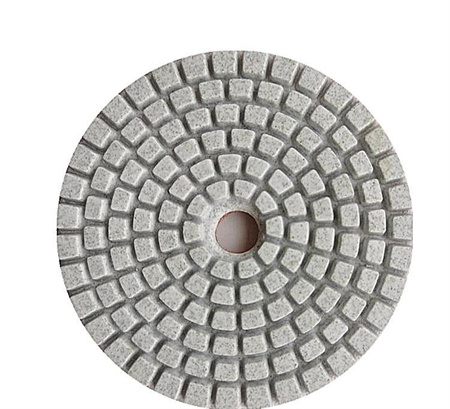
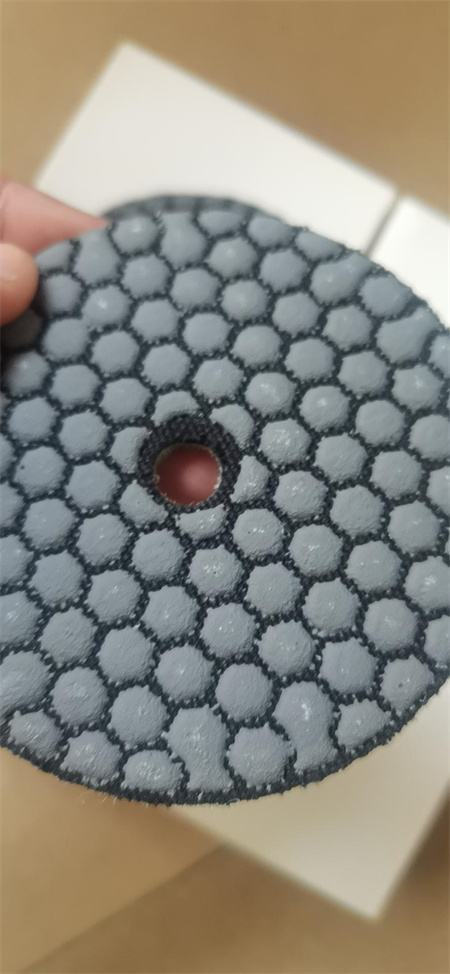
Diamond pads are crucial tools for a variety of industries, from flooring to automotive detailing, offering unmatched performance and durability. These pads are engineered to grind, polish, and finish surfaces to a high level of perfection. But like all tools, maintaining diamond pads properly is key to maximizing their lifespan and ensuring their continued effectiveness. Whether you’re working with concrete, marble, or granite, understanding how to properly care for your diamond pads can make a world of difference in both results and cost-efficiency.
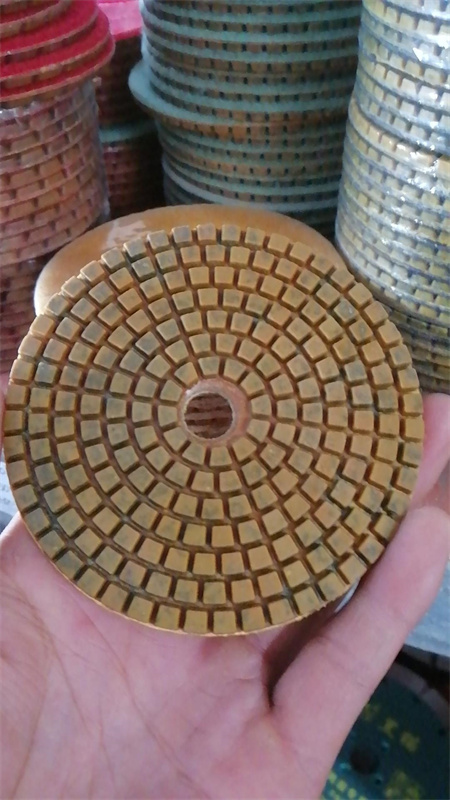
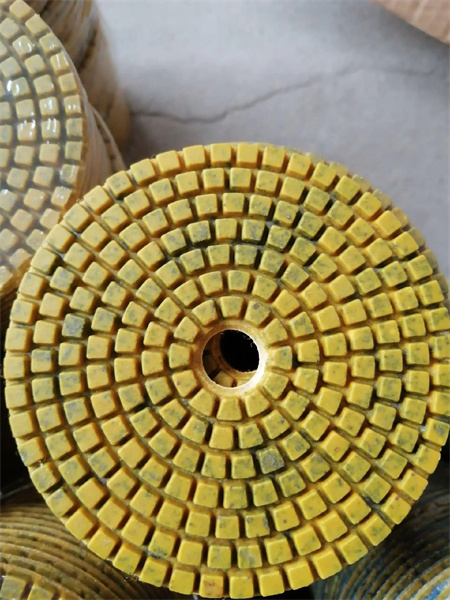
First, it’s essential to understand what makes diamond pads unique. The small diamonds embedded in the pads are extremely hard and capable of handling tough materials. However, despite their toughness, these pads require proper care to avoid premature wear and tear. Regular maintenance not only extends the life of the pads but also ensures that they continue to deliver high-quality results.
One of the most important maintenance techniques is cleaning. After each use, always clean your diamond pads thoroughly. Whether you’re polishing floors or cutting through tough stone, debris can accumulate on the surface of the pads. This can clog the diamonds and prevent them from working at peak performance. Using a brush to gently scrub the surface is often enough to remove most of the material buildup. For stubborn residues, soaking the pads in warm water with a mild detergent can break down the residue without damaging the diamonds.
Once the pads are clean, inspect them closely. Look for signs of damage, such as cracks, missing diamonds, or unusual wear patterns. Regularly checking the condition of your pads ensures that you can replace or repair them before the damage affects your work quality. If you notice excessive wear in one area, it could indicate that the pad was used improperly, such as applying too much pressure during use. Keep in mind that even diamond pads have their limits, and pushing them beyond those limits can cause irreparable damage.
Another key aspect of maintaining diamond pads is ensuring proper storage. After cleaning and inspecting, store the pads in a cool, dry place. Avoid leaving them in areas where they might be exposed to extreme temperatures, moisture, or direct sunlight for extended periods. The environment in which the pads are stored plays a significant role in their longevity. If you’re storing the pads for an extended period, consider placing them in a sealed container or bag to prevent any contaminants from affecting the pad’s surface.
When it comes to the actual usage of diamond pads, proper technique is crucial. Overworking the pad, using too much pressure, or operating the tool at an incorrect speed can all cause the pad to wear down much faster. Always follow the manufacturer’s guidelines for speed and pressure settings, and adjust based on the type of surface you are working on. For example, harder materials like granite require different settings than softer materials like marble. Ensuring the pad is suited for the task at hand will prevent unnecessary stress and wear on both the pad and the surface.
For those working with diamond pads on concrete, it’s also essential to keep the surface wet when grinding or polishing. This not only reduces heat buildup but also minimizes the chances of debris sticking to the pad. Dry grinding or polishing can cause friction, leading to overheating and reducing the lifespan of your pads. Additionally, wet surfaces allow the pads to work more efficiently, producing a smoother finish.
Teaching Proper Maintenance Techniques for Diamond Pads
Sharpening your diamond pads is another technique that shouldn’t be overlooked. Although diamond pads are known for their durability, over time the diamonds will lose some of their sharpness. Depending on the frequency of use, pads can benefit from occasional resurfacing. This process restores the pad’s cutting ability, ensuring it remains effective for tougher jobs. Some pads come with a special surface that can be resharpened, while others may need professional servicing.
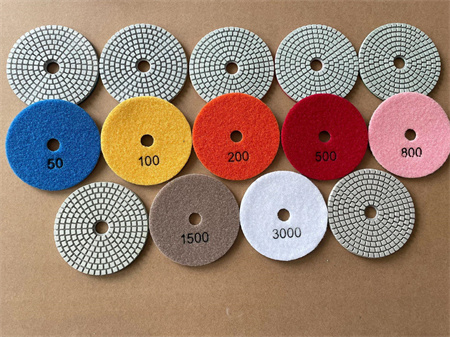
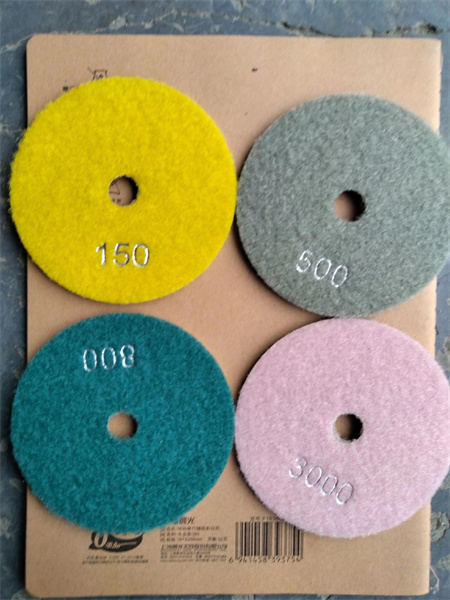
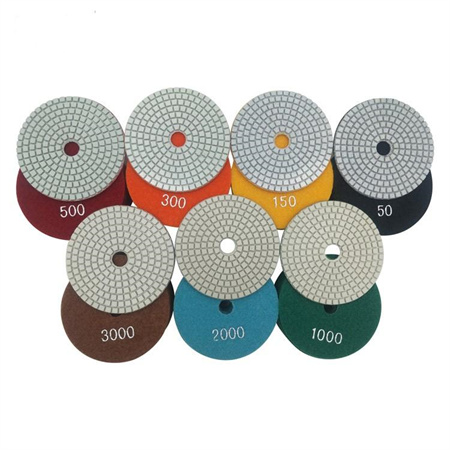
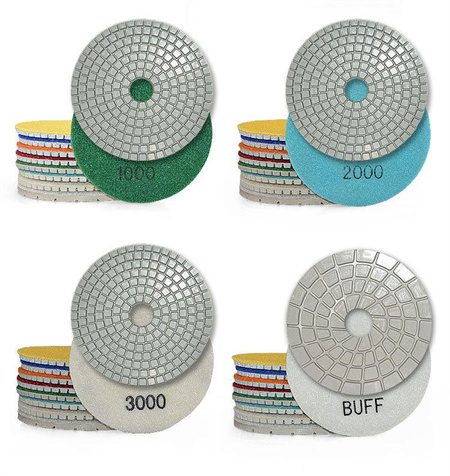
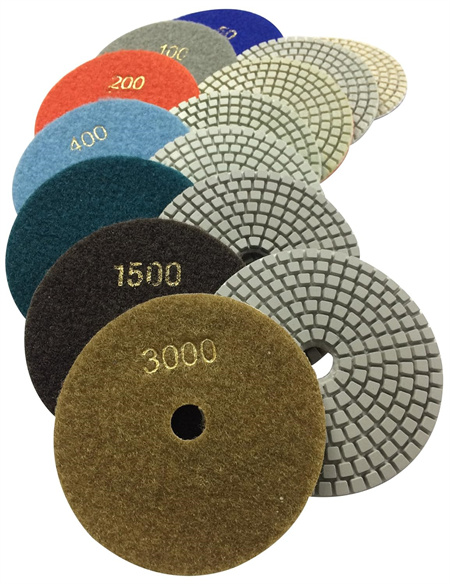
Finally, don’t forget the importance of choosing the right pad for the job. Not all diamond pads are created equal, and using the wrong pad can lead to premature damage or subpar results. Pads come in different grits, and selecting the right one based on the job is crucial. A finer grit pad is suitable for polishing, while a coarser grit is ideal for grinding or removing tough surface layers. Using the appropriate grit ensures that you’re getting the best performance out of your pad, while also reducing unnecessary wear.
Maintaining diamond pads isn’t just about extending their life; it’s about maximizing their potential for optimal results. By investing time in regular cleaning, inspection, and proper usage, you can ensure that your diamond pads continue to perform at their best. Treat your tools with care, and they will return the favor with exceptional performance and longevity. The ultimate goal is to achieve the highest quality results without prematurely wearing out your pads, and with the right maintenance, that’s entirely possible.
Teaching Proper Maintenance Techniques for Diamond Pads

Teaching Proper Maintenance Techniques for Diamond Pads

Categories
Uncategorized

The Role of Diamond Pads in Artisanal Stonework

The Role of Diamond Pads in Artisanal Stonework
Stoneworking is one of the oldest and most respected crafts in human history. From ancient monuments to modern sculptures, stone has been a symbol of both strength and artistry. However, the tools used in stoneworking have evolved dramatically over time, with one of the most important advancements being the introduction of diamond pads. These small yet powerful tools have become indispensable in the hands of artisans, revolutionizing the way they approach shaping, polishing, and finishing stone.
Diamond pads, as the name suggests, are embedded with tiny diamond particles, making them far more durable and effective than traditional abrasives. Unlike sandpaper or other stone grinding tools, diamond pads are designed to tackle the hardest materials with precision and speed, making them a game-changer for anyone involved in stoneworking, from skilled masons to contemporary sculptors.
One of the primary advantages of using diamond pads is their versatility. Stone comes in many forms, from the soft and porous varieties to dense, hard stones like granite and marble. For artisanal workers, selecting the right tools for the job is crucial, as each stone type requires different handling. Diamond pads offer a level of adaptability that allows craftsmen to work across various stone types with consistent results. Whether the task involves rough grinding to remove excess material or a fine polish to achieve a smooth, reflective finish, diamond pads deliver precision that other tools simply cannot match.
In addition to their versatility, diamond pads enhance the quality of the work. Stone surfaces can often be uneven, with natural blemishes or imperfections. Achieving a flawless finish has always been a challenge, particularly when working with materials that have been quarried from the earth. Diamond pads excel at smoothing out these inconsistencies, bringing out the natural beauty of the stone while ensuring a high-quality, professional result. Whether working on large sculptures or intricate stone tiles, these pads provide a uniform finish, free from the scratches or gouges that can often arise with inferior abrasive tools.
The speed at which diamond pads perform also sets them apart. In the past, artisans would spend hours or even days meticulously shaping and polishing stones by hand, using tools like chisels or files. While this process allowed for a great deal of artistry, it was time-consuming and labor-intensive. Diamond pads, however, make it possible to achieve similar or even superior results in a fraction of the time. This efficiency has made them particularly attractive to commercial stoneworkers and those involved in high-volume production, where time is often of the essence.
However, it’s not just the technical advantages that make diamond pads so essential in artisanal stonework—it’s also the way they enable creativity. When stone is too hard or uneven, the limitations of traditional tools can restrict an artisan’s ability to bring their vision to life. Diamond pads give stoneworkers the freedom to experiment and refine their designs with a precision and ease that would have been impossible in earlier times. Whether carving intricate details into a statue or polishing the edge of a countertop, the level of control afforded by these pads allows for greater artistic expression and a more refined outcome.

The Role of Diamond Pads in Artisanal Stonework
Another crucial factor in the rise of diamond pads is the health and safety benefits they bring to stoneworkers. Traditional stoneworking methods often generate a significant amount of dust, which, when inhaled over long periods, can lead to serious respiratory problems. The use of diamond pads, particularly in conjunction with modern dust-collecting systems, has dramatically reduced the amount of harmful particulate matter in the air, creating a safer working environment. For artisans working with materials like granite, which can release silica dust, this is a significant improvement, as prolonged exposure to such dust can lead to chronic lung conditions.
The longevity of diamond pads also makes them a cost-effective choice in the long run. While the initial investment in diamond pads may be higher than traditional abrasives, their durability means that they can outlast many other tools, providing value for money over time. Their long lifespan, combined with their high performance, ensures that artisans can achieve professional-grade results without constantly needing to replace worn-out tools.
The Role of Diamond Pads in Artisanal Stonework
Diamond pads have transformed stonework from a labor-intensive and time-consuming craft into a more efficient, precise, and versatile art. They provide artisans with the tools they need to push the boundaries of creativity, enabling them to work faster, smarter, and safer. With their ability to smooth, shape, and polish a wide range of stones, diamond pads have earned their place as an essential tool in modern artisanal stonework, ensuring that the craft continues to evolve without compromising the quality and beauty of the work.

The Role of Diamond Pads in Artisanal Stonework

Categories
Uncategorized

The Role of Data Analytics in Stone Polishing Businesses

The Role of Data Analytics in Stone Polishing Businesses
In today’s rapidly evolving business landscape, stone polishing businesses are increasingly turning to data analytics to stay ahead of the competition. Whether it’s improving operational efficiency, reducing costs, or enhancing customer satisfaction, data-driven insights are transforming the way these businesses operate. Far from being just a luxury for larger corporations, data analytics has become a powerful tool for small and medium-sized enterprises (SMEs) in the stone polishing industry.
The process of stone polishing itself has not changed much over the years – it’s about perfecting the shine, enhancing the texture, and making each piece of stone look as pristine as possible. However, the way businesses manage and optimize their operations has dramatically evolved. The introduction of data analytics has shifted the focus from traditional methods of decision-making to a more strategic, evidence-based approach.

The Role of Data Analytics in Stone Polishing Businesses
One of the key areas where data analytics plays a pivotal role is in optimizing production. Stone polishing is a meticulous process that requires precision and consistency. Data analytics can help track the performance of polishing machines, identifying patterns in machine usage, wear, and tear, and flagging potential issues before they lead to downtime. By analyzing these data points, businesses can schedule maintenance more effectively, ensuring minimal disruption to operations. In turn, this increases production efficiency and reduces unexpected costs, which is crucial in a competitive industry where time and resources are at a premium.
Beyond machine performance, data analytics can also help stone polishing businesses understand the nuances of their raw materials. Different types of stone, such as marble, granite, or quartz, may require different polishing techniques and equipment settings. By analyzing the properties of various stones and how they respond to polishing, companies can develop more tailored and efficient polishing processes. This not only ensures higher quality output but also reduces waste, as businesses can fine-tune their operations to match the specific needs of each stone type.
Customer demand is another area where data analytics is having a significant impact. In the past, businesses would have to rely on gut instinct or historical trends to predict which types of stone or finishes would be popular with customers. Today, with the help of customer data and predictive analytics, businesses can gain deeper insights into market trends and customer preferences. By examining patterns in customer purchases, social media feedback, and industry trends, stone polishing companies can tailor their product offerings to meet the evolving tastes of their target market.
This approach also aids in inventory management. Data analytics allows businesses to track the volume of stones being processed, anticipate future demand, and adjust stock levels accordingly. For example, if a particular type of marble is gaining popularity, businesses can ensure they have enough supply in advance, avoiding stockouts and long lead times. In contrast, if a product line is not performing well, data can highlight this, enabling companies to shift focus or phase out slow-moving items.
Another area where data analytics is proving beneficial is marketing and customer relationship management. With access to data on customer behaviors, preferences, and purchase history, businesses can segment their customer base more effectively and create personalized marketing campaigns. This not only increases the likelihood of repeat business but also enhances customer loyalty, as consumers are more likely to engage with brands that offer tailored experiences. Furthermore, the analysis of customer feedback through online reviews or surveys can provide valuable insights into areas where the business can improve, such as polishing quality, customer service, or delivery times.
The Role of Data Analytics in Stone Polishing Businesses
Data analytics also offers an opportunity for cost control and better pricing strategies. By analyzing cost data across various aspects of the business – including raw materials, labor, and overheads – companies can pinpoint areas where they might be overspending. This information allows businesses to implement cost-saving strategies, optimize their pricing models, and ultimately improve profitability. By utilizing advanced analytics tools, stone polishing businesses can find the right balance between competitive pricing and maintaining healthy margins.
The Role of Data Analytics in Stone Polishing Businesses
Even in areas such as energy consumption, data analytics can make a significant difference. Polishing machines and equipment can consume large amounts of power, and with energy costs fluctuating, it’s important for businesses to monitor their energy usage carefully. By utilizing data analytics, businesses can identify periods of high energy consumption and implement energy-saving measures, such as optimizing machine run times or upgrading to more energy-efficient equipment.
In conclusion, the role of data analytics in stone polishing businesses is no longer a futuristic concept; it’s a reality that offers immense potential for growth and efficiency. By embracing data-driven insights, stone polishing companies can optimize production processes, better serve their customers, improve profitability, and stay competitive in a challenging market. As the industry continues to evolve, those who leverage the power of data will likely find themselves at the forefront of innovation, leading the way in quality, sustainability, and customer satisfaction.

Categories
Uncategorized

Using Videos to Demonstrate Diamond Pad Applications

Using Videos to Demonstrate Diamond Pad Applications
When it comes to showcasing the versatility and effectiveness of diamond pads, there’s no better way to engage customers than through the power of video. While product descriptions and images certainly have their place, videos provide a dynamic platform to demonstrate exactly how these tools perform in real-world conditions. Whether you’re in the business of floor restoration, polishing, or any other field where diamond pads are essential, using videos can transform the way you educate and connect with your audience.

Using Videos to Demonstrate Diamond Pad Applications
Imagine walking into a showroom or browsing through an online store. You’re considering purchasing diamond pads for a new project but aren’t sure how to use them properly or whether they will live up to their promises. Instead of reading through lengthy manuals or sifting through technical specifications, a well-crafted video can immediately show the potential of diamond pads in action. Customers can see the effectiveness of the product in real-time, making it easier for them to visualize the results they can achieve.
For instance, a video can take a viewer through the entire process of floor restoration. From preparation to the final finishing touches, a demonstration can showcase how diamond pads handle everything from heavy-duty grinding to delicate polishing. Through this visual representation, viewers can gain confidence in how the diamond pads perform under different conditions. They can also witness firsthand how efficient and precise the tools can be, making their investment feel worthwhile.
What makes video particularly powerful is its ability to capture the nuance of a diamond pad’s functionality. Often, it’s the subtle details that separate a high-quality product from an average one. A close-up shot of the pad in action, highlighting its smooth operation and even wear, provides insights that are hard to convey through text alone. This tactile element, combined with clear, concise narration or captions, makes it easy for your audience to understand the advantages of using your diamond pads.
Beyond simply demonstrating how diamond pads are used, videos offer a chance to tell a story. Instead of simply focusing on the mechanics, you can incorporate customer testimonials or before-and-after visuals to illustrate the transformative power of the product. Perhaps a homeowner is restoring a marble countertop, or a business owner is polishing concrete floors in a high-traffic area. By showing real-life scenarios, you add a human element that resonates with viewers, making them feel more connected to the product.
Using Videos to Demonstrate Diamond Pad Applications
What’s more, video content has a far-reaching impact on SEO. When integrated into your website, videos can significantly improve your search engine rankings. Google’s algorithms favor multimedia-rich content, meaning a page with an engaging video will likely appear higher in search results than a page without. In today’s digital landscape, where attention spans are short, users are more likely to engage with video than with text alone. This increased engagement can lead to longer on-page times and reduced bounce rates, both of which signal to search engines that your content is valuable.
Another advantage of using videos to demonstrate diamond pads is the opportunity for easy updates. As new models or variations of diamond pads are introduced, videos can be quickly adapted to showcase the latest features and improvements. A quick update ensures that your content stays fresh and relevant, without requiring a complete overhaul of the website.
Moreover, videos offer an interactive dimension that text simply can’t match. For example, you can create tutorials that allow users to pause and rewind, giving them the ability to learn at their own pace. Offering a series of step-by-step instructional videos also allows you to break down the complexities of diamond pad applications into digestible chunks. By providing this type of user-friendly content, you not only increase customer satisfaction but also position yourself as an authority in the field.
For businesses that operate globally or cater to diverse audiences, videos are also a great way to overcome language barriers. With subtitles or voiceovers in multiple languages, you can broaden your reach and appeal to a wider customer base. This inclusivity can lead to stronger relationships with international customers and enhance brand loyalty.
Using Videos to Demonstrate Diamond Pad Applications
Finally, the social sharing potential of videos is another factor to consider. A well-made video that highlights the benefits of diamond pads is highly shareable. Whether on social media platforms like Facebook, Instagram, or LinkedIn, users are more likely to share content they find informative, useful, or inspiring. This organic sharing expands your reach, bringing in new leads and enhancing brand recognition in a way that traditional marketing methods can’t.
In conclusion, videos have become an indispensable tool for businesses looking to demonstrate the true value of their products. When used strategically, videos can showcase the capabilities of diamond pads in an engaging, informative, and visually captivating way. Whether you’re aiming to educate, build trust, or enhance SEO, video content is a powerful medium that can take your marketing to the next level. So, if you haven’t already, it’s time to start harnessing the power of video to show your customers just how much diamond pads can do.

Categories
Uncategorized

Using Diamond Pads for Polishing Museum Stone Exhibits

Using Diamond Pads for Polishing Museum Stone Exhibits
Museum stone exhibits are a fascinating blend of history, culture, and craftsmanship. They tell stories through the ages, showcasing the artistry and engineering prowess of civilizations long past. But as time passes, even the most durable stone surfaces can begin to show signs of wear—dullness, scratches, and fading luster. This is where diamond pads come into play. These incredible tools offer an efficient and effective solution for preserving the pristine beauty of museum artifacts and exhibits.
Stone polishing, especially in the context of valuable and ancient museum pieces, requires more than just elbow grease. The challenge is to restore the natural shine of stone without causing damage. Whether it’s marble, limestone, granite, or other types of stone, diamond pads have become an indispensable part of the restoration process.

Using Diamond Pads for Polishing Museum Stone Exhibits
Unlike traditional polishing tools, diamond pads are designed with a unique abrasive technology that delivers exceptional results without compromising the integrity of the stone. They consist of small, high-quality diamond crystals that are embedded into a flexible backing material. This structure allows them to smoothly glide over the stone’s surface, grinding away imperfections while leaving a lustrous finish behind.
Using Diamond Pads for Polishing Museum Stone Exhibits
One of the major benefits of using diamond pads is their versatility. Museum professionals, conservators, and restorers can use them on a variety of stone surfaces with different degrees of wear. Whether it’s an intricate sculpture or a large stone wall panel, diamond pads can be used for everything from light buffing to deep restoration. For delicate artifacts, they can gently remove the surface blemishes while preserving the intricate details that make each piece unique.
The key to a successful restoration job lies in selecting the right grit of diamond pad. These pads come in different grits, ranging from coarse to fine. Coarse pads are useful for removing deeper scratches and stains, while finer pads are perfect for polishing and achieving a glossy finish. For museum-quality exhibits, the finer grits are typically preferred, as they ensure a smooth and polished surface that maintains the authenticity and character of the stone.
What sets diamond pads apart from other polishing methods is their ability to deliver a high-quality finish without the need for harsh chemicals or additional products. Some traditional polishing techniques rely on abrasive powders or polishes that may contain unwanted residues. These substances can sometimes damage the stone over time or leave marks that detract from the piece’s overall appearance. Diamond pads, however, work without introducing any foreign substances. The only materials involved in the polishing process are the diamonds themselves, making them safe for even the most fragile historical artifacts.
In addition to their efficiency, diamond pads are known for their durability. Stone restoration can be a time-consuming and repetitive task, and having tools that last is crucial for museum professionals. Diamond pads, with their sturdy construction, can endure long hours of use without losing their effectiveness. This makes them a cost-effective solution in the long run, as they don’t need to be replaced frequently.
For museum staff and conservators, the benefits of diamond pads extend beyond the quality of the finish. The ease of use is another key advantage. Many diamond pads are designed to be used with standard polishing machines, which makes the process much faster and less labor-intensive compared to manual polishing methods. The flexibility of these pads also allows them to conform to the shape of the stone, whether it’s a flat surface or a more complex, rounded feature. This ensures that no area is left untreated, giving the entire exhibit a consistent and uniform shine.
Using Diamond Pads for Polishing Museum Stone Exhibits
When it comes to the preservation of museum artifacts, every detail matters. Polishing with diamond pads is not just about making a piece look new again; it’s about maintaining its historical integrity while enhancing its natural beauty. The careful restoration of stone exhibits allows museums to continue sharing their stories with visitors, ensuring that future generations can appreciate the skill and artistry of those who came before.
In conclusion, diamond pads have proven to be an invaluable tool for museum conservators working with stone exhibits. They offer a delicate, effective, and efficient method for restoring and maintaining the beauty of these cherished artifacts. With their ability to deliver a high-quality finish without the need for harsh chemicals, their durability, and their versatility, diamond pads are a must-have for any museum or restoration project focused on stone preservation.

Categories
Uncategorized

Polishing Pads in Public Monument Maintenance

Polishing Pads in Public Monument Maintenance

Polishing Pads in Public Monument Maintenance
Public monuments are not just symbols of history, culture, or art; they are living testaments to the achievements and legacies of past generations. Over time, however, the elements, pollution, and natural wear take their toll, gradually dulling the monument’s once-pristine surfaces. One crucial yet often overlooked element in preserving the beauty and integrity of these historical icons is the use of polishing pads. Though seemingly a simple tool, polishing pads play an essential role in the intricate process of monument maintenance.
Maintaining a public monument goes beyond just cleaning the surface. The materials used in construction—stone, marble, granite, or bronze—require specific care, as they can be easily damaged if not treated properly. Polishing is not merely about restoring shine; it’s about preserving the monument’s original appearance and ensuring that its features remain intact. Here, polishing pads come into play, offering a combination of precision and versatility that’s vital in the upkeep of these cherished structures.
Polishing pads are specially designed abrasives, typically made from foam, felt, or fabric, which work effectively on a variety of surfaces. These pads are used with polishing machines to remove dirt, grime, and stains, smooth out rough spots, and restore the monument’s surface to its original texture. The materials used for polishing pads are selected based on their ability to work with the monument’s surface without causing damage. For instance, felt pads are gentle enough for soft stones, while foam pads can handle harder surfaces like granite.
One of the most significant advantages of using polishing pads is the ability to achieve a high level of precision. Monuments often feature intricate carvings, delicate details, or engraved inscriptions that demand careful attention. Polishing pads, especially when paired with machines that control speed and pressure, allow workers to delicately polish these features without compromising their integrity. The result is not just a shiny surface but a careful restoration of the monument’s original artistic and architectural details.
The use of polishing pads also contributes significantly to the longevity of public monuments. Over the years, weathering and environmental factors can lead to the accumulation of pollutants, algae, or even graffiti on monuments. Traditional cleaning methods might involve harsh chemicals that can further damage the surface. In contrast, polishing pads, when used with water or specially formulated cleaning solutions, provide a gentler, more effective approach. By carefully buffing away layers of dirt and contaminants, they help to protect the monument’s surface from further degradation, thus extending its lifespan.
Polishing Pads in Public Monument Maintenance
Moreover, polishing pads are instrumental in preserving the color and texture of the monument. Over time, exposure to the elements can cause fading, discoloration, or a loss of luster. Polishing helps to restore the monument’s original vibrancy. For instance, many older monuments made of marble or limestone have a unique, gleaming finish that enhances their beauty. Polishing pads, when used properly, help to restore these surfaces, making them look as if they were freshly crafted.
Polishing Pads in Public Monument Maintenance
Public monuments often serve as landmarks, attracting visitors from all walks of life. Their maintenance goes beyond aesthetic concerns; it’s also about respect and responsibility to history and heritage. Maintaining these structures ensures that future generations will be able to experience and appreciate them in their full glory. In this regard, polishing pads provide an essential tool in the toolbox of conservationists, artisans, and maintenance crews working to preserve these treasures.
Using polishing pads also brings with it a sense of environmental responsibility. Unlike some more aggressive cleaning techniques that might involve harmful solvents or abrasive tools, the gentler nature of polishing pads means less damage to the surrounding environment. Moreover, their reusable nature makes them a more sustainable choice for cleaning and maintaining monuments.
For many, the process of restoring a monument with polishing pads is a delicate, almost ceremonial endeavor. It’s not just about cleaning; it’s about maintaining a connection to the past, ensuring that the monument continues to stand as a reminder of the values and history it represents. Whether it’s a towering statue, a memorial plaque, or an intricate fountain, the use of polishing pads ensures that these iconic structures will continue to shine—literally and figuratively—well into the future.
In the world of public monument maintenance, polishing pads might seem like a small detail, but their impact is immense. They help to ensure that the grandeur of these historical treasures endures, not just for a few years, but for generations to come. The next time you pass by a statue or memorial, take a moment to appreciate the subtle but vital role that these seemingly simple tools play in preserving our shared heritage.

Categories
Uncategorized

What Your Choice of Pad Says About Your Business Style

What Your Choice of Pad Says About Your Business Style
In the world of business, where first impressions often make the difference between success and missed opportunity, every detail counts. From the color of your office walls to the style of your shoes, each element of your workspace tells a story about you. But have you ever stopped to think about what your choice of notepad says about your business style? Whether you’re jotting down notes in a sleek leather-bound planner or scribbling on a humble spiral notebook, your pad speaks volumes about how you approach your work, your attention to detail, and even how you see yourself in the grand scheme of your industry.
Let’s face it, we all need a pad—something to write down that brilliant idea, that critical phone number, or the latest strategy to take our business to the next level. But the type of pad you choose can reveal much more than you might expect. It’s a subtle reflection of your personality and approach to business. Here’s what your pad might be saying about you.
The Executive Planner: Focused and Professional
If you’re the type of person who pulls out a high-end, leather-bound planner or a sophisticated Moleskine notebook in a meeting, it’s clear: you’re a professional who values organization, clarity, and precision. This choice suggests that you take your business seriously and appreciate the finer things in life. You’re the kind of person who plans ahead, and perhaps you prefer structure over spontaneity. Your pad is a symbol of your commitment to success and your understanding of how important it is to stay organized and on top of details. People may see you as reliable, well-prepared, and able to handle complex tasks with ease.
You’re not just jotting down ideas; you’re laying the groundwork for a strategic vision. A luxurious, well-designed planner suggests you’re someone who doesn’t just want to keep track of meetings—you want to make sure every detail aligns with your bigger goals. In business, this approach often translates to leadership potential. You’re the kind of person who likes to set the pace, and your choice of pad reinforces this.

What Your Choice of Pad Says About Your Business Style
The Spiral Notebook: Practical and Adaptable
What Your Choice of Pad Says About Your Business Style
On the other end of the spectrum, you may find the business professional who uses a classic spiral notebook. This humble pad, often affordable and easy to carry, tells a different story. Choosing a spiral notebook suggests that you’re practical, no-nonsense, and flexible. You’re not worried about appearances or making things fancy; you just need a reliable tool that gets the job done. This is the type of person who thrives on versatility and values function over form.
People who use spiral notebooks tend to be adaptive problem-solvers. They may not have the latest designer gadgets or fancy stationery, but they excel at using what’s available to them to stay organized and ahead of the game. Your notebook is filled with quick ideas, reminders, and notes that help you stay on top of things in a fast-paced world. You’re likely a dynamic thinker who can pivot when needed and approach problems from multiple angles.
The Sticky Notes: Creative and Free-Spirited
Some people prefer the spontaneous and colorful world of sticky notes. Bright, fun, and seemingly chaotic, a collection of sticky notes scattered around your workspace may give the impression that you’re more creative than most. You’re not bound by rigid schedules or the constraints of a pre-planned agenda. Instead, you thrive on ideas that come in bursts of inspiration, and you’re more likely to jot down your thoughts on the nearest available surface.
This choice could point to a highly creative mind—someone who enjoys brainstorming, visualizing ideas, and constantly innovating. Your approach to business is flexible, and you may feel that a traditional structure is too confining for your big ideas. Whether it’s on your computer screen or on the walls of your office, sticky notes are your tool of choice to keep track of your evolving thoughts. They are not just a physical object—they represent your need to stay fluid and adaptable in a fast-moving environment.
The Digital Tablet: Tech-Savvy and Efficient
In a world where everything is going digital, many professionals are turning to tablets and styluses for their note-taking needs. This choice speaks volumes about your business style. Opting for a tablet suggests you’re tech-savvy, cutting-edge, and highly efficient. You embrace the digital age and understand the value of staying connected on-the-go. A tablet allows you to easily organize, store, and access your notes in a way that traditional paper simply cannot compete with.
For those in creative industries, this may indicate a penchant for modern design and sleek functionality. For others, it’s a sign that you value simplicity, efficiency, and ease of use over nostalgia for traditional tools. You likely manage multiple projects at once and need a system that can keep up with your fast-paced, tech-centric lifestyle.
The Legal Pad: Methodical and Straightforward
Let’s not forget the classic legal pad. This simple, yellow-lined paper is a favorite among those who prefer a straightforward, no-frills approach to their work. If you’re often seen writing on a legal pad, it might suggest that you are methodical, pragmatic, and focused on getting things done. You’re someone who appreciates a clear, organized approach and likely enjoys the process of working through problems step by step.
Your choice of pad shows you’re not someone who gets distracted by unnecessary complexity. You keep things simple, direct, and to the point. You’re confident in your methods, and you don’t feel the need for flashy tools to prove your worth.
What Your Choice of Pad Says About Your Business Style
What Does Your Pad Say About You?
Ultimately, the pad you choose reflects your personality, work habits, and business style. Whether you opt for a sleek executive planner or a pile of sticky notes, it’s a small but significant choice that can help others understand who you are and how you approach your work. So, next time you’re reaching for a notepad, remember: it might say more about your business style than you think. And perhaps, just as important, it says something about how you see your role in the fast-paced world of modern business. Choose wisely—and don’t underestimate the power of that simple piece of paper.

Categories
Uncategorized

Training Your Team in Advanced Diamond Pad Techniques

Training Your Team in Advanced Diamond Pad Techniques
In the fast-evolving world of floor care and maintenance, mastering the use of diamond pads has become crucial for achieving top-quality results. Whether you’re working with marble, granite, concrete, or terrazzo, understanding advanced diamond pad techniques can set your team apart from the competition and elevate your service offerings. For facility managers, cleaning professionals, and contractors, providing proper training on these techniques is an investment in both the efficiency and the long-term success of your team.
The power of diamond pads lies in their unique construction. Embedded with tiny diamond particles, these pads have the ability to polish, grind, and restore a variety of hard surfaces to a brilliant shine. However, it’s not just about applying them to the surface and hoping for the best. There are specific methods and nuances that can make all the difference between a job well done and a missed opportunity.
One of the most important aspects of training your team is ensuring they understand the various types of diamond pads available. From aggressive pads for heavy-duty grinding to finer pads for polishing and finishing, knowing which pad to use at the right stage of the job is key to achieving the desired results. Each pad has a designated grit level, and understanding the progression—from coarse to fine—ensures the proper surface preparation and enhancement. For example, starting with a rough pad to remove imperfections or stains, and gradually transitioning to finer pads will lead to a smoother, more refined finish.
To avoid common mistakes, it’s crucial to emphasize the significance of adjusting pressure. Many technicians tend to apply excessive force when using diamond pads, thinking it will speed up the process. However, this often leads to uneven results or even damage to the floor. Proper technique involves light to moderate pressure depending on the stage of the process. At each stage, from grinding to honing and polishing, the pressure should be adjusted to match the pad’s intended purpose. Training your team to use the right amount of pressure is a game-changer in ensuring that every job is done with precision.
Understanding the importance of speed and RPM (rotations per minute) is another area where proper training pays off. Diamond pads operate effectively within specific RPM ranges, and using a machine with the wrong speed can lead to subpar results or excessive wear on the pads themselves. Make sure your team is comfortable with the equipment they’re using and understands the manufacturer’s recommendations for each pad. Training should cover the importance of controlling speed settings and knowing when to slow down for delicate surfaces or speed up for heavier, more aggressive work.
Another critical aspect of diamond pad training is floor preparation. No matter how skilled your team is, they will not achieve optimal results without properly prepping the surface. This involves cleaning the floor thoroughly to remove dirt, dust, and debris that could cause scratching or interfere with the polishing process. The team should be trained to assess the condition of the floor before they begin working with diamond pads, as certain issues, such as deep stains or etching, may require additional treatments or specialized pads to address effectively.

Training Your Team in Advanced Diamond Pad Techniques
Beyond the technical skills, training should also focus on safety. Diamond pads, while highly effective, require careful handling. Protective equipment such as gloves, safety goggles, and ear protection should be part of the standard operating procedure. Additionally, workers need to be trained on the safe operation of polishing machines, as improper handling or use of equipment can result in injury or accidents. Proper ventilation should also be considered, especially when working with heavy-duty grinding pads, as fine dust particles can pose respiratory risks.
Equally important is ensuring that your team understands the maintenance and care of diamond pads. These tools, while durable, require regular cleaning and inspection. After each use, diamond pads should be washed thoroughly to remove any accumulated slurry or debris. This helps prolong their lifespan and maintain their effectiveness. Furthermore, training your team to recognize when a pad is no longer performing optimally can save you time and money in the long run. Worn-out pads can damage surfaces and lead to inconsistent results, so it’s important to replace them at the right time.
Training Your Team in Advanced Diamond Pad Techniques
Regular practice and ongoing learning are essential to honing advanced diamond pad techniques. Encourage your team to practice regularly, troubleshoot any challenges they encounter, and stay updated on new developments in the industry. Attending workshops or manufacturer training sessions can also be beneficial in keeping your team ahead of the curve.
When your team is fully trained in advanced diamond pad techniques, they won’t just be working efficiently—they’ll be delivering results that impress clients and elevate the reputation of your business. The expertise gained from mastering these tools can lead to faster job completion, higher-quality finishes, and long-term customer satisfaction. Investing in training is, without a doubt, one of the smartest moves you can make for your floor care business.

Training Your Team in Advanced Diamond Pad Techniques

Categories
Uncategorized

How to Clean Diamond Polishing Pads for Longer Lifespan

How to Clean Diamond Polishing Pads for Longer Lifespan
Diamond polishing pads are an essential tool in achieving a smooth, glossy finish on stone surfaces, concrete, and even glass. Over time, however, these pads can accumulate dirt, debris, and residue that diminish their effectiveness and shorten their lifespan. To get the most out of your investment and ensure your pads remain in top condition, it’s crucial to clean them properly after each use. The good news is that with the right care, you can extend the life of your diamond pads and maintain their high performance. Here’s a step-by-step guide to help you clean your diamond polishing pads effectively.
Start with the Basics: Immediate Rinse After Use
After using your diamond polishing pads, don’t wait too long before cleaning them. The longer you leave debris and residue to dry on the surface, the harder it will be to remove later. The first step is always a quick rinse with water to remove loose dirt, dust, and any residual slurry that’s formed during the polishing process. If you’re working with stone or concrete, you’ll notice that fine particles can clog the diamond segments, leading to reduced efficiency and unnecessary wear. A quick wash under running water can help loosen and wash away these particles.
Use a Soft Brush for a Deeper Clean
While rinsing is a good start, it’s often not enough to get your diamond polishing pads completely clean. To tackle stubborn residue, grab a soft-bristled brush—preferably a nylon brush. Gently scrub the surface of the pad to dislodge any particles stuck between the diamonds. It’s important to avoid using anything too abrasive, like steel wool or harsh wire brushes, as these can damage the pad and interfere with its performance. A gentle brushing will ensure the diamonds remain exposed and effective for future polishing.
Soak in a Cleaning Solution
For pads that have accumulated tough buildup over time, soaking them in a specialized cleaning solution is the way to go. You can buy commercially available cleaners designed specifically for diamond polishing pads, but if you’re looking for a more cost-effective solution, a mild soap and water mixture will suffice. Simply mix a small amount of dish soap with warm water and let the pads soak for around 15-20 minutes. This will help to soften and break down any oils, resins, or other substances that may have built up during polishing.
After soaking, give the pads another light scrub with your brush to remove any remaining grime. Soaking not only cleans the pads but also helps in maintaining the flexibility of the pads, especially the backing material, which can become stiff or brittle if neglected.

How to Clean Diamond Polishing Pads for Longer Lifespan
Drying and Storing
Once your pads are clean, the next step is to dry them properly. Avoid using high heat, such as putting them in the sun or using a dryer. High temperatures can warp the backing or cause the adhesive to break down. Instead, lay the pads flat on a clean, dry surface or hang them up in a well-ventilated area. Make sure the pads are completely dry before storing them to prevent any mold or mildew growth, which could damage the material.
Storage is another important factor in preserving the lifespan of your diamond pads. Store them in a cool, dry place away from direct sunlight and extreme temperature fluctuations. Keeping them in an airtight container or a sealed plastic bag can also protect the pads from dust and environmental contaminants.
Avoid Using Harsh Chemicals
When it comes to cleaning your diamond polishing pads, less is often more. Strong chemicals, such as bleach, acids, or other abrasive cleaners, should be avoided, as they can damage the diamonds and affect the pad’s performance. Stick with mild soap or specialized cleaning solutions designed for use with diamond pads. Overuse of harsh chemicals can also weaken the adhesive, causing the diamond segments to loosen or detach from the pad.
Maintain Regular Cleaning Routine
How to Clean Diamond Polishing Pads for Longer Lifespan
It’s tempting to skip cleaning your pads after every use, especially after a long day of polishing. However, regular maintenance is key to ensuring they last as long as possible. Making a habit of cleaning your pads after each use, or at least every few uses, can help prevent any buildup that might reduce their effectiveness. This not only improves performance but also saves you money in the long run, as you won’t need to replace your pads as often.
How to Clean Diamond Polishing Pads for Longer Lifespan
Conclusion
Diamond polishing pads are built to last, but only if they’re properly maintained. By regularly rinsing, brushing, soaking, and drying your pads, you’ll ensure they stay in top condition for longer. A little care goes a long way in preserving their performance and maximizing their lifespan. With these simple cleaning tips, you can continue to enjoy efficient, smooth, and flawless polishing results every time. The investment you make in maintaining your diamond polishing pads will ultimately save you time and money, making each polishing job that much more rewarding.

Categories
Uncategorized

How to Avoid Surface Damage When Polishing with Diamond Pads

Polishing with diamond pads can transform a surface from dull and worn to brilliantly smooth and shiny. It’s a popular method for restoring natural stone, concrete, or terrazzo floors, and even for finishing countertops or other surfaces. However, as effective as diamond pads are, they can also cause significant damage if used improperly. To ensure a flawless finish and avoid surface issues like scratches, uneven wear, or unwanted marks, here are some practical tips on how to polish safely and efficiently.

How to Avoid Surface Damage When Polishing with Diamond Pads
One of the most important factors in preventing surface damage when polishing with diamond pads is selecting the right pad for the job. Diamond pads come in various grits, ranging from coarse to fine. Each grit serves a different purpose, from removing deep scratches to refining the surface to a high gloss. Using a coarse grit when a finer grit is required, or vice versa, can lead to uneven results. If you’re polishing a delicate surface like marble or granite, start with a lower grit and gradually move to higher grits for the smoothest finish.
Pressure control is another key element to avoid damaging the surface. Many people mistakenly believe that applying extra pressure will speed up the process and produce a better result. In reality, this can cause the pads to overheat, leading to burns or permanent marks on the surface. Over-pressurizing the pad can also accelerate wear, reducing its effectiveness and lifespan. The right amount of pressure ensures that the pad does its job without compromising the integrity of the material being polished. A light, even touch allows the pad to work efficiently and prevents the buildup of heat that can damage the surface.
How to Avoid Surface Damage When Polishing with Diamond Pads
Temperature control is equally important. Polishing generates heat, especially when working with tougher materials. Without proper temperature management, the surface may begin to degrade. Excessive heat can cause soft stones like limestone to become discolored or even result in cracking. To avoid this, keep the surface moist while polishing. Water acts as a coolant and lubricant, reducing friction and preventing overheating. Depending on the material you’re working with, you may want to apply water frequently or use a wet diamond pad designed for such tasks. Always follow the manufacturer’s instructions regarding the use of water to ensure that the pad and surface are protected.
In addition to grit, pressure, and temperature, another critical factor is the speed at which you operate the polishing tool. High-speed machines can quickly smooth out surfaces, but they can also cause uneven polishing if not carefully controlled. A slow, consistent motion gives the pad more time to work its magic and ensures uniform coverage. Rapid movements or leaving the machine in one spot for too long can create hotspots and visible inconsistencies. If you notice that the surface is heating up too quickly, pause to let the area cool down before resuming.
It’s also essential to maintain the cleanliness of both the surface and the diamond pad. Dirt, dust, or debris trapped between the surface and the pad can cause abrasions, resulting in unwanted marks or scratches. Always clean the surface thoroughly before polishing and inspect the pad for any debris. It’s wise to rinse the pad periodically during use, especially when working on larger areas. Regularly cleaning the pad not only improves performance but also prevents the risk of contaminating the surface with unwanted particles that could lead to damage.
Using a diamond pad on the wrong surface can lead to irreversible damage. While diamond pads are incredibly effective on harder surfaces like concrete, granite, and terrazzo, they may not be suitable for softer materials such as wood or some types of tile. Always check the surface material and make sure it’s appropriate for diamond pad polishing. If you’re working with a material that’s prone to scratches or other types of damage, it might be best to use a gentler abrasive or consult a professional before proceeding with diamond pad polishing.
If you’re new to polishing or working with diamond pads for the first time, practicing on a small, inconspicuous area of the surface is highly recommended. This allows you to gauge how the surface reacts and make adjustments as needed. It also helps you get a feel for the equipment and the process, which can be invaluable when tackling larger or more visible areas.
How to Avoid Surface Damage When Polishing with Diamond Pads
Ultimately, the key to avoiding surface damage when polishing with diamond pads lies in a combination of technique, preparation, and the right tools. Choosing the correct grit, controlling pressure and temperature, moving the machine at a consistent speed, and maintaining cleanliness are all integral to achieving a high-quality, damage-free finish. By paying attention to these details, you’ll be able to polish any surface to perfection without the fear of causing harm to it.