Categories
Uncategorized

Diamond Pads for Polishing Hotel Lobby Floors

Diamond Pads for Polishing Hotel Lobby Floors
The first impression guests have when they enter a hotel lobby is unforgettable. The gleaming floors, the soft reflection of light, and the welcoming atmosphere all play a role in setting the tone for the entire stay. Among the most crucial elements that contribute to this experience is the quality and shine of the floors. Polishing these floors to perfection, especially in high-traffic areas like hotel lobbies, requires specialized tools—and one of the best solutions available today is diamond polishing pads.
Diamond pads are revolutionizing the way hotel lobbies and other commercial spaces maintain their floors. With their superior durability and performance, these pads ensure that the floors stay pristine, smooth, and attractive over time. Whether the lobby features marble, granite, or terrazzo flooring, diamond pads can effectively maintain the lustrous appearance without causing damage.

Diamond Pads for Polishing Hotel Lobby Floors
What makes diamond pads so effective? The secret lies in the abrasive nature of diamonds. Diamonds are the hardest material known to man, and this quality makes them exceptional for polishing surfaces to a high gloss. When applied to floors, the diamond particles gently smooth out imperfections, removing stains and scratches while maintaining the integrity of the material. This is crucial for hotel lobbies, where the high foot traffic can quickly wear down and damage traditional floors.
Unlike traditional pads, which may wear out quickly or fail to achieve a consistent shine, diamond pads offer long-lasting performance. This means hotel maintenance teams can rely on them to keep floors looking fresh without the need for frequent replacement. Over time, this results in lower maintenance costs and a more sustainable approach to floor care.
Another key benefit of diamond polishing pads is the ability to achieve a flawless finish with minimal effort. The smooth, high-shine effect they produce enhances the natural beauty of stone and concrete surfaces, creating an inviting and polished look. This is especially important in hotel lobbies, where the floor is not just a functional surface, but a significant part of the overall aesthetic. A well-maintained, gleaming floor complements the luxury and sophistication of a high-end hotel, leaving a lasting impression on guests.
Diamond Pads for Polishing Hotel Lobby Floors
Moreover, the versatility of diamond pads makes them suitable for a variety of flooring materials. Whether it’s marble, terrazzo, granite, or even concrete, these pads can adapt to different surfaces and deliver the desired result. This makes them an indispensable tool for hotels with diverse flooring types throughout their properties. With the right set of diamond pads, maintenance teams can address every flooring challenge, ensuring a consistent and high-quality finish.
Beyond their practical benefits, diamond pads also support environmental sustainability. The longevity of diamond pads reduces the frequency of replacements and the need for harsh chemicals typically used in floor cleaning. This not only lowers the overall carbon footprint of floor maintenance but also ensures a safer environment for hotel guests and staff. With fewer chemicals used, the indoor air quality remains high, which is especially important in high-traffic areas like hotel lobbies, where guests frequently pass through.
The use of diamond pads also reflects a hotel’s commitment to quality and detail. When guests see a pristine, well-maintained lobby, they are more likely to perceive the hotel as a professional and high-standard establishment. After all, a shiny, spotless floor is more than just a visual detail—it’s an indicator of the care and attention to detail that the hotel staff provides to every part of the guest experience.
Diamond Pads for Polishing Hotel Lobby Floors
As the hotel industry continues to grow and evolve, maintaining impeccable standards of cleanliness and presentation is more important than ever. Diamond pads offer a modern, efficient, and eco-friendly solution for floor polishing that ensures high-traffic areas like hotel lobbies remain dazzling and welcoming. By investing in these advanced tools, hotels can not only enhance the guest experience but also reduce operational costs, all while keeping their floors looking flawless for years to come.
In conclusion, diamond pads are the ultimate tool for polishing hotel lobby floors. Their durability, efficiency, and ability to produce a high-quality finish make them an essential part of any hotel’s maintenance strategy. Whether you’re managing a luxury boutique hotel or a large resort, these pads help ensure that your lobby floors stay polished, attractive, and ready to impress guests every day.

Categories
Uncategorized

Polishing Stone Facades with Diamond Pads

Polishing Stone Facades with Diamond Pads
Stone facades are a timeless feature of architecture, exuding elegance and durability. Whether it’s a historical building or a modern skyscraper, the stone exterior plays a vital role in both aesthetics and protection. Over time, though, exposure to the elements can lead to dirt, stains, and dullness, which can mar the natural beauty of the stone. Restoring the luster and smoothness of these surfaces requires precision and the right tools. One of the most effective methods to achieve this is by polishing stone facades using diamond pads.
Diamond pads are a game-changer in the world of stone restoration. Known for their durability and exceptional polishing capabilities, these pads have revolutionized how professionals approach stone care. But what makes diamond pads so special when it comes to polishing stone facades?
First off, diamond pads are incredibly tough. Unlike traditional abrasive pads, which can wear out quickly, diamond pads use industrial-grade diamonds embedded in their surface, making them capable of withstanding even the hardest stone surfaces. This unique feature allows for a deeper, more thorough polish without the need for constant replacements. When polishing stone facades, the focus is not just on cleaning but also on restoring the original shine and finish, and diamond pads excel at this by gently grinding away surface imperfections and bringing out the stone’s natural glow.
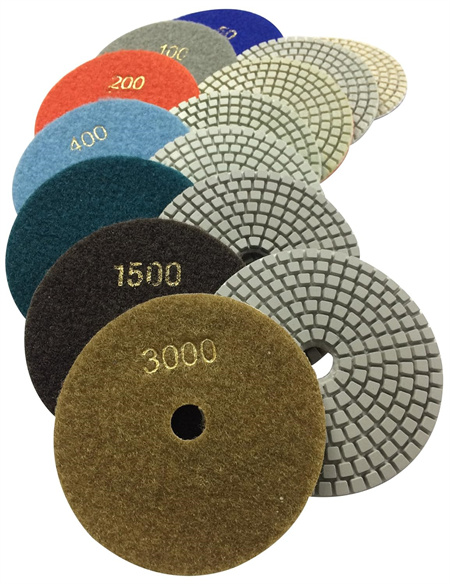
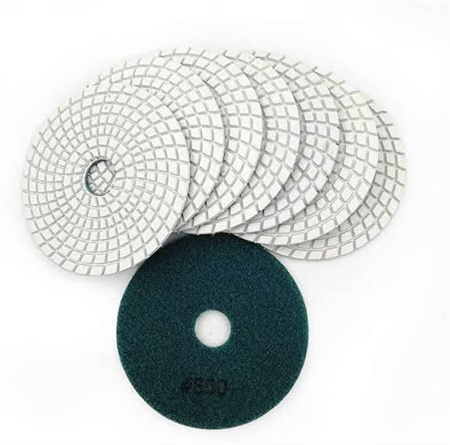
The process of polishing stone with diamond pads involves several stages. Starting with a coarser grit pad, professionals work their way through progressively finer grits, each pad progressively smoothing the stone’s surface. This gradual process is crucial, as it ensures that the stone does not suffer from unnecessary damage, such as cracking or excessive wear. The finest pads give the stone an ultra-smooth finish, one that shines in the light, almost as if the stone itself were polished glass.

Polishing Stone Facades with Diamond Pads
One of the standout advantages of using diamond pads is their versatility. They are suitable for a wide range of stone types, from marble and granite to limestone and travertine. Each type of stone has its own unique texture and characteristics, but the precision and adaptability of diamond pads allow them to work efficiently across various materials. Whether you’re dealing with a stone facade that has been weathered by years of exposure or a brand-new installation that simply needs a finishing touch, diamond pads can handle it all.
Another key benefit is the speed at which diamond pads can restore stone surfaces. Stone facades are often large, intricate, and challenging to work on, particularly in urban environments where time and access can be limiting. Traditional polishing methods can be time-consuming, often requiring multiple steps and treatments to achieve a satisfactory result. Diamond pads, on the other hand, allow for faster, more effective polishing. This efficiency is a significant factor, especially for contractors and stone care professionals who need to complete projects within tight deadlines.
Polishing Stone Facades with Diamond Pads
Beyond their impressive performance, diamond pads are also relatively eco-friendly. In comparison to chemical-based cleaning or polishing agents, which can release harmful substances into the environment, diamond pads only require water and the mechanical force of the pads themselves. This makes the process not only safer for the stone but also more sustainable for the surrounding environment. There’s no need for harsh chemicals that can damage both the surface of the stone and the air quality.
Polishing stone facades with diamond pads also helps to preserve the integrity of the stone over the long term. By eliminating contaminants like dirt, stains, and grime that can deteriorate the stone’s surface, the polishing process helps to protect it from further damage. Regular maintenance with diamond pads ensures that stone facades maintain their beauty and durability for years to come, making it a worthwhile investment for building owners and preservationists alike.
Polishing Stone Facades with Diamond Pads
The overall result of using diamond pads on stone facades is nothing short of stunning. Not only does the stone regain its original shine, but it also appears refreshed, as if it were newly installed. The texture becomes smoother, and any imperfections or discoloration are buffed away, leaving behind a pristine surface that highlights the stone’s natural veins, colors, and patterns. Whether the stone is part of a classic building or a contemporary masterpiece, the final look is always impressive.
In conclusion, polishing stone facades with diamond pads is an efficient, effective, and environmentally friendly solution to keeping stone surfaces in top condition. The durability of diamond pads, combined with their ability to restore and enhance the stone’s appearance, makes them a must-have tool for anyone in the stone restoration or maintenance business. For building owners looking to preserve the beauty of their stone exteriors, there’s no better option than a diamond pad polish. The result is a stone facade that not only looks amazing but also stands the test of time.

Categories
Uncategorized

How Nanotechnology Could Improve Polishing Pad Durability

How Nanotechnology Could Improve Polishing Pad Durability
The world of manufacturing and precision engineering has long been focused on enhancing the performance and longevity of tools and components. Among the most critical parts of various industrial processes are polishing pads. These seemingly simple tools, used for finishing surfaces to a mirror-like smoothness, play a vital role in numerous industries, from automotive to electronics. However, as essential as polishing pads are, they often face challenges related to wear and tear, reducing their effectiveness over time. Enter nanotechnology, a field that promises to revolutionize not just the way we approach material science but also how we improve the durability and performance of polishing pads.

How Nanotechnology Could Improve Polishing Pad Durability
At its core, nanotechnology deals with materials and devices at the atomic or molecular level, typically at sizes ranging from 1 to 100 nanometers. This precision allows for the manipulation of materials in ways that were previously impossible, enabling us to create stronger, more resilient products. When applied to polishing pads, the integration of nanotechnology can offer groundbreaking improvements in both durability and performance.
One of the key benefits of nanotechnology is its ability to enhance the physical properties of materials. By incorporating nanomaterials into the composition of polishing pads, manufacturers can significantly increase the pad’s resistance to wear. Traditional polishing pads are often made from a combination of polyurethane, foam, or felt, materials that wear down quickly under pressure and friction. Nanomaterials, such as carbon nanotubes, graphene, or silica nanoparticles, can be embedded into these materials to reinforce their structure, making them more resistant to abrasion and deformation.
The introduction of these tiny yet powerful materials at the nanoscale works by distributing stress more evenly across the pad’s surface. This results in a more uniform wear pattern, reducing the likelihood of premature degradation. As a result, polishing pads enhanced with nanotechnology can maintain their effectiveness for a longer period, even under the demanding conditions of high-speed polishing processes.
How Nanotechnology Could Improve Polishing Pad Durability
Moreover, nanotechnology can improve the thermal resistance of polishing pads. During the polishing process, friction generates heat, and this heat can break down the pad material over time, reducing its lifespan. By integrating nanomaterials that have high thermal conductivity, polishing pads can dissipate heat more efficiently, preventing excessive temperature buildup that would otherwise lead to material breakdown. This enhanced heat resistance not only extends the pad’s life but also ensures more consistent performance throughout its use.
Another exciting possibility that nanotechnology offers is the ability to create self-healing polishing pads. This concept, while still in its developmental stages, could be a game-changer. By incorporating nanoparticles that respond to damage, polishing pads could potentially “repair” themselves when small cracks or wear patterns appear. The self-healing process would be akin to how certain materials can regenerate after being subjected to stress, reducing the need for constant replacements and repairs. For industries relying on polishing pads for continuous production, such a development could mean massive savings in both time and resources.
Beyond durability, nanotechnology also holds the potential to improve the efficiency of polishing pads. Nanocoatings, for example, can be applied to the surface of polishing pads to create ultra-smooth finishes that reduce friction during use. These coatings can also be engineered to resist contaminants, such as dust or oils, that often compromise the polishing process. With a cleaner, smoother surface, the pad can perform more effectively, delivering better results with less effort. This is especially important in high-precision industries like semiconductor manufacturing, where even the slightest imperfection in the polishing process can lead to defects in the final product.
Environmental considerations are also driving the interest in nanotechnology for polishing pad development. By using more durable and efficient materials, manufacturers can reduce waste associated with frequent pad replacements. Additionally, nanomaterials can be designed to be more eco-friendly, further supporting the trend toward sustainable manufacturing practices. The ability to extend the lifespan of polishing pads means fewer pads are required, and less material is consumed in the long run, benefiting both the environment and the bottom line.
The potential of nanotechnology in enhancing polishing pad durability is not just a futuristic concept—it’s happening now. With ongoing advancements in nanomaterials and coatings, the possibilities for more durable, efficient, and sustainable polishing pads are becoming a reality. Industries that rely on these pads for their critical polishing processes can look forward to significant improvements in both cost-effectiveness and performance.
In conclusion, the intersection of nanotechnology and polishing pad design is poised to transform the way we think about tool longevity and efficiency. With stronger, more heat-resistant, and even self-healing pads on the horizon, nanotechnology offers an exciting avenue for innovation in the world of surface finishing. As manufacturers continue to push the boundaries of material science, polishing pads will no longer be viewed as expendable tools but as sophisticated, long-lasting components that help drive industrial excellence.

How Nanotechnology Could Improve Polishing Pad Durability

Categories
Uncategorized

Using Diamond Pads for Stone Countertop Polishing

Using Diamond Pads for Stone Countertop Polishing

Using Diamond Pads for Stone Countertop Polishing
When it comes to maintaining the stunning beauty of stone countertops, few tools are as effective as diamond pads. These pads are a game-changer for homeowners and professionals alike who seek to restore the glossy, pristine finish of granite, marble, and other stone surfaces. But what makes diamond pads so special? It’s the unique combination of their construction, abrasive qualities, and versatility that truly sets them apart in the world of stone care.
Imagine this: your kitchen or bathroom countertops, once gleaming and smooth, have slowly started to show signs of wear. Over time, they lose that brilliant shine, becoming dull and perhaps even scratched. Enter diamond pads, an advanced solution designed not only to rejuvenate but to preserve the integrity of your stone surfaces for years to come.
One of the key reasons diamond pads are the ultimate tool for stone countertop polishing is the diamond grit they contain. Diamonds, being the hardest material known to man, are incredibly effective at grinding and smoothing surfaces. When applied to stone, the diamonds gently abrade the surface, removing stains, scratches, and even minor chips without damaging the underlying material. This precision ensures that you get the smooth, reflective finish you desire without compromising the stone’s natural beauty.
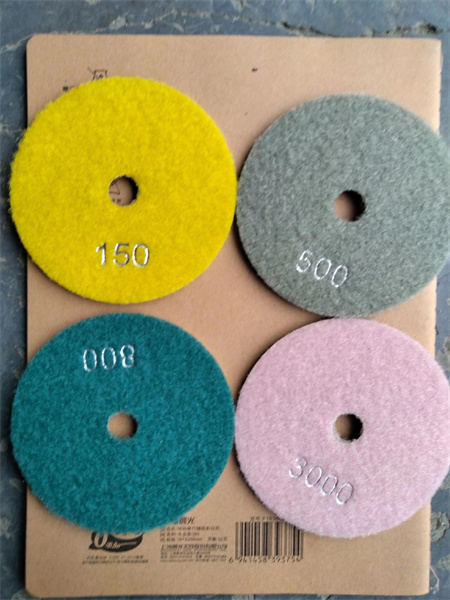
Unlike traditional abrasives, which can sometimes leave behind unwanted residue or uneven results, diamond pads offer a much more controlled and uniform approach to polishing. The variety of grits available—ranging from coarse to fine—makes it easy to customize the level of abrasion required for different types of stone or specific damage. Whether you’re dealing with a heavily worn marble countertop or a lightly scratched granite surface, there’s a diamond pad suited for the job.
Using Diamond Pads for Stone Countertop Polishing
Another reason diamond pads are so effective is their ability to work on both honed and polished stone surfaces. For stone countertops with a matte or satin finish, diamond pads can be used to achieve a glossy, high-polish shine. On the other hand, for surfaces that are already shiny but starting to lose their luster, diamond pads can gently restore their brilliance, effectively removing etching or water spots that may have accumulated over time.
The process of using diamond pads is straightforward, but there are a few essential steps to ensure optimal results. First, the countertop surface should be thoroughly cleaned to remove any dirt or debris. This prevents particles from scratching the stone as you work. Depending on the degree of polishing required, you’ll want to select the appropriate grit of diamond pad. Coarse pads are ideal for heavy scratches or dull surfaces, while finer pads are best for giving that final polish.
Using Diamond Pads for Stone Countertop Polishing
The pads themselves are usually attached to a backing disc, which can be used with a hand-held polisher or a floor machine. Some models are designed for wet polishing, where water is applied to the surface during the process to help control dust and keep the pads cool. Wet polishing also helps the pads last longer and ensures a smoother, more even finish.
As you begin the polishing process, it’s important to keep the pad moving in circular or overlapping motions to ensure even coverage. Be patient, as achieving the desired shine might take several passes with increasingly finer pads. With each stage, the stone’s surface will gradually become smoother, and its natural colors will start to pop, revealing the true depth of the stone’s beauty.
Beyond aesthetics, regular polishing with diamond pads can also help to protect your stone countertops. Polishing helps to close the pores in the stone, making it more resistant to staining and easier to clean. For countertops in high-traffic areas like kitchens, this can be a game-changer in terms of both maintenance and longevity. By keeping the stone sealed and smooth, you reduce the chances of food or liquids penetrating and causing permanent damage.
Diamond pads are not just for professionals. Homeowners can easily take advantage of this tool to restore the beauty of their stone surfaces. While it might take a bit of practice to get used to the process, once you do, the results will speak for themselves. Whether you’re preparing for a special event, selling your home, or simply want to bring back the sparkle of your countertops, using diamond pads offers a fast, efficient, and cost-effective solution.
In the end, diamond pads are a simple yet incredibly powerful tool for anyone looking to maintain or restore the beauty of stone countertops. With their durable, precise, and versatile nature, they deliver results that go beyond just polishing. They ensure that your stone surfaces stay as stunning as the day they were installed, providing you with years of beauty and functionality. So, the next time your countertops need a little TLC, reach for a diamond pad and let it work its magic.

Categories
Uncategorized

The Pros and Cons of Wet vs. Dry Polishing Pads

The Pros and Cons of Wet vs. Dry Polishing Pads
When it comes to polishing surfaces like stone, concrete, or even glass, choosing the right type of polishing pad is critical to achieving a flawless finish. Among the most common types of pads, wet and dry polishing pads are the most widely used, each offering distinct advantages and challenges. Whether you’re working on a professional project or tackling a DIY task at home, understanding the difference between wet and dry polishing can make all the difference in your results.
Wet Polishing Pads: The Smooth Operator
Wet polishing pads are typically used with water as a coolant and lubricant. These pads are designed to prevent heat buildup during the polishing process, which is especially important when working with harder materials like granite or marble. One of the standout benefits of wet polishing is its ability to reduce friction, thereby lowering the risk of burning the surface or damaging the material.
Additionally, the water helps carry away debris, keeping the pad clean and ensuring a smoother finish. This makes wet polishing a great option when working on high-gloss surfaces or when you need to achieve a shiny, mirror-like effect. Because the water keeps the pad and surface cool, wet polishing also minimizes wear on the pad itself, extending its lifespan.
However, wet polishing isn’t without its drawbacks. The process can be messy, especially if you’re working in an indoor environment or in a space where water damage could be a concern. You’ll need to manage the water runoff effectively to avoid staining or causing damage to surrounding areas. For projects that require precision, dealing with the added wetness can sometimes be cumbersome and require extra time for cleanup.
Another potential downside is that wet polishing pads are often less versatile compared to dry pads. You need a water source and a system to manage the liquid, which can be restrictive if you’re working on the go or in spaces without easy access to water. Moreover, wet polishing pads tend to be more expensive, particularly for high-quality options designed for commercial use.

The Pros and Cons of Wet vs. Dry Polishing Pads
Dry Polishing Pads: The Convenience Factor
Dry polishing pads, on the other hand, are designed to operate without water, making them ideal for situations where access to water is limited or impractical. These pads are typically used for smaller projects or for polishing materials like concrete, where the surface can withstand the heat generated without water lubrication. The main advantage of dry polishing is its convenience. There’s no need to worry about managing water runoff or dealing with wet surfaces, which means you can quickly and easily move from one section of a project to another.
Dry polishing pads are also more versatile in terms of the types of materials they can handle. While they may not be as effective at reducing heat buildup on very hard stones, dry pads work well for softer surfaces and those where a high level of detail is required. In fact, many professionals prefer dry polishing pads for their ability to achieve a fine, uniform finish, especially when working on concrete or terrazzo floors.
However, dry polishing does come with its own set of challenges. Since there’s no water to cool the surface, the heat generated during polishing can cause the pad to wear down more quickly, especially when used on tougher materials. The lack of lubrication can also result in more friction, which might lead to a rougher finish or even surface damage if not used correctly. Additionally, dry polishing pads can be dustier than their wet counterparts, requiring more frequent cleaning and potentially affecting air quality.
The Pros and Cons of Wet vs. Dry Polishing Pads
Choosing Between Wet and Dry Polishing Pads
Deciding which type of pad is right for your project ultimately depends on a variety of factors, including the material you’re working with, the environment in which you’re working, and the level of finish you’re hoping to achieve.
If you’re working with materials like granite, marble, or any other stone that is prone to heat buildup, wet polishing pads are often the better choice. The water helps control temperature, prolong the life of your pads, and provides a smoother, glossier finish. Wet polishing is also ideal for large-scale projects where managing dust and debris is a priority.
The Pros and Cons of Wet vs. Dry Polishing Pads
On the other hand, if you need to work in a dry environment or are tackling smaller jobs like concrete or terrazzo floors, dry polishing pads may be more convenient and practical. They are easier to handle, and the lack of water can actually make the process cleaner, particularly for quick touch-ups or smaller areas. However, just be mindful of the heat and dust they can generate, and always wear appropriate protective equipment.
In the end, both wet and dry polishing pads have their own place in the world of surface finishing. The key is to assess the specific needs of your project and choose the tool that will give you the best results. Whether you prefer the wet method for its smooth, glossy outcomes or the dry method for its speed and ease, understanding the pros and cons of each will ensure you’re equipped to tackle any polishing challenge that comes your way.

Categories
Uncategorized

How to Source High-Quality Diamond Polishing Tools

How to Source High-Quality Diamond Polishing Tools

How to Source High-Quality Diamond Polishing Tools
When it comes to achieving the perfect polish on diamonds, the tools you use make all the difference. Whether you’re working in a jewelry workshop, a manufacturing plant, or even as a hobbyist, having the right diamond polishing tools can elevate the quality of your work and streamline your process. But sourcing high-quality diamond polishing tools isn’t as simple as picking the first brand that comes to mind. It requires a keen understanding of materials, tool types, and the needs of your specific polishing project.
One of the most critical elements to consider is the material of the polishing tool. Diamond polishing tools, by their nature, are designed to harness the extraordinary hardness of diamonds. As diamonds are the hardest natural material on Earth, they require specialized tools capable of maintaining sharpness and precision over extended periods. These tools can range from diamond-coated discs and pads to diamond powder and paste. Choosing the right material is essential for getting the best results, so it’s important to know the advantages and limitations of different tool types.
Start by considering the type of polishing you plan to do. Are you working with rough diamonds, or are you polishing more delicate or pre-cut stones? For rough diamonds, coarse-grit diamond abrasives are ideal for shaping the stone, while finer grits are used for finishing and enhancing the diamond’s brilliance. If you are polishing gemstones or even other hard materials, tools like diamond-encrusted polishing pads or cloths might be more suitable. The goal is always to find the right balance between tool effectiveness and the specific job you are tackling.
The next step is to think about the supplier or manufacturer you’re purchasing from. In this industry, quality control is paramount. A tool that looks good on the surface might not perform as well if the manufacturer doesn’t use top-grade diamond grit or doesn’t implement precise craftsmanship in its production. It’s wise to do thorough research on potential suppliers. Look for well-established companies with a reputation for consistency and excellence. User reviews, recommendations from industry professionals, and case studies are all valuable resources when deciding who to trust.
How to Source High-Quality Diamond Polishing Tools
Price is always a consideration, but when sourcing high-quality diamond polishing tools, it’s important not to focus solely on cost. Higher-quality tools tend to have a higher initial investment, but they pay off in the long run by providing superior performance and durability. While cheaper options might seem appealing, they often lack the precision or longevity needed for professional-quality results. When shopping for tools, don’t just look at the price tag—consider what you’re getting for that price. Investing in a high-quality tool can reduce the time you spend on each project and ultimately improve the overall quality of your work.
Another factor to consider is the versatility of the tools. Some diamond polishing tools are designed for specific applications, while others offer a broader range of uses. If you have a variety of diamond polishing tasks at hand, you’ll want tools that can be easily adapted to different processes. Many high-end diamond polishing kits include a variety of pads, abrasives, and powders, allowing you to switch between tasks without needing to buy multiple different tools. This kind of versatility can save both time and money.
Additionally, always ask about the durability and lifespan of the tools you are purchasing. A quality diamond polishing tool should not only be effective during use but also last for a long time. Tools made with high-grade diamonds and precision engineering can withstand repeated use without losing their effectiveness. When sourcing tools, inquire about warranties, return policies, and the expected lifespan of the tools. Some manufacturers will even provide advice on maintenance and cleaning to ensure that you get the maximum lifespan out of your tools.
How to Source High-Quality Diamond Polishing Tools
Customer support is another crucial element to consider. Even when you invest in the best tools, you may run into issues or need assistance with usage or maintenance. A supplier that offers responsive and helpful customer support can make all the difference. Whether it’s troubleshooting a tool’s performance or providing guidance on how to use it most effectively, good customer service ensures you have the support you need when challenges arise.
Finally, don’t underestimate the importance of keeping up with industry trends and innovations. The world of diamond polishing tools is constantly evolving, with new technologies and materials being introduced regularly. By staying informed about the latest developments, you can ensure that you’re always using the best tools available. Attend trade shows, read industry publications, and engage with online communities of professionals to learn about new products and innovations that could improve your work.
Sourcing high-quality diamond polishing tools is more than just purchasing a product—it’s about understanding the process and the tools required to achieve a flawless finish. By carefully selecting the right tools, investing in quality, and choosing a reliable supplier, you set yourself up for success. The right polishing tools can make your work more efficient, produce better results, and ultimately take your craftsmanship to a new level of excellence.

Categories
Uncategorized

How to Choose the Right Polishing Pad Manufacturer

How to Choose the Right Polishing Pad Manufacturer
Choosing the right polishing pad manufacturer is more than just a purchasing decision—it’s a strategic move that can significantly impact the quality of your work, efficiency, and overall business success. Whether you’re a professional in the automotive, manufacturing, or furniture industry, the polishing pad you choose can make a huge difference in the final finish of your product. So, how do you find the right manufacturer to meet your specific needs?
It starts with understanding what makes a good polishing pad. At its core, a polishing pad must be durable, effective, and suited to the specific application at hand. But behind these basic requirements lies a host of factors that differentiate one manufacturer from another. Let’s break down what to consider when making this important choice.
1. Quality Control Standards
A reputable polishing pad manufacturer will always prioritize quality. Quality control should be a non-negotiable aspect of their production process. If a manufacturer is cutting corners or lacks a consistent quality control system, your pads might suffer from irregularities—resulting in inconsistent polishing results or even damage to the surfaces you’re working on. It’s essential to choose a manufacturer that adheres to high standards and can demonstrate their commitment to quality. Look for companies with clear, reliable certifications and evidence of rigorous testing protocols.
The right manufacturer will ensure that each polishing pad is free from defects, offering uniform texture and thickness. This is crucial not just for the final appearance of your work but for the longevity and efficiency of the pads themselves.
2. Material Selection and Technology
Polishing pads are made from various materials like foam, wool, microfiber, and more. Each material has its specific benefits depending on the application, whether it’s for cutting, polishing, or finishing. A great manufacturer should have the expertise to recommend the right material for your needs, offering a range of options that cater to different tasks, from light polishing to heavy-duty cutting.
Some manufacturers also invest in cutting-edge technologies, like advanced foaming processes or smart design features, which can significantly enhance the performance of their pads. The latest innovations could include features such as heat resistance, better cushioning, or longer durability. So, pay attention to the materials and technologies the manufacturer uses—it’s often a reflection of how much effort they put into developing top-tier products.
3. Customization Options
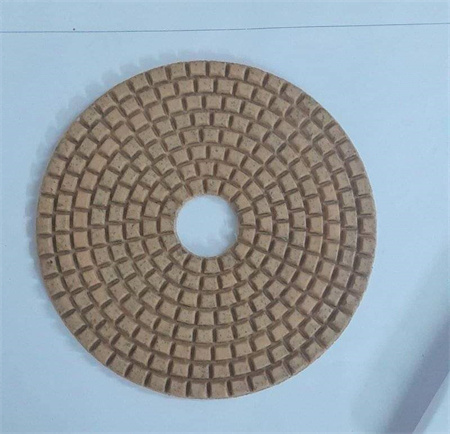
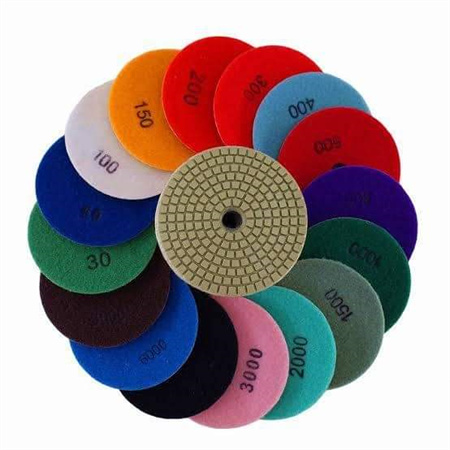
In many industries, one size does not fit all. Your business may have specific needs that require tailored polishing pads. Whether you’re looking for a particular size, shape, or abrasive type, customization can play a crucial role in your purchasing decision. Some manufacturers offer bespoke solutions, allowing you to order pads that fit your unique specifications, ensuring they work perfectly with your machinery and production process.
How to Choose the Right Polishing Pad Manufacturer
A manufacturer who offers customization can also be a partner in innovation. By working closely with them, you can create polishing pads that meet the specific demands of your work, giving you a competitive edge in terms of both performance and cost-efficiency.
4. Customer Service and Support
A manufacturer’s level of customer service is often an overlooked but essential aspect of your decision-making process. Working with a responsive and knowledgeable team will save you time, help resolve issues, and provide guidance as needed. Whether it’s technical support for new product setups or assistance with choosing the right pad for a particular job, a manufacturer with excellent customer service can be invaluable.
Look for manufacturers who offer clear communication channels, offer comprehensive product documentation, and can provide timely after-sales support. A good manufacturer should be willing to address any concerns and work with you to improve your polishing process over time.
5. Reputation and Reviews
One of the best ways to gauge the reliability and quality of a manufacturer is by checking their reputation. Customer reviews, testimonials, and case studies can give you valuable insight into how other businesses view the manufacturer’s products. A good manufacturer will have a track record of satisfied clients who can speak to the reliability, durability, and performance of their polishing pads.
Take time to research online reviews and perhaps even speak to current customers about their experiences. Pay close attention to how the manufacturer handled challenges, their response times, and their willingness to stand behind their products. A manufacturer who consistently delivers high-quality products and support will have a solid reputation in the industry.
6. Price vs. Value
Price is always a consideration when choosing a supplier, but it should never be the deciding factor alone. Often, cheaper pads come with compromises in quality, durability, or performance, leading to increased costs in the long run due to premature wear and tear or the need for more frequent replacements.
Instead of focusing solely on price, focus on value. A high-quality polishing pad may have a higher upfront cost but could save you money over time by improving efficiency, reducing product defects, and decreasing downtime. A reliable manufacturer who delivers high-performing products will often provide the best return on investment.
7. Delivery Time and Availability
Lastly, consider the lead time and availability of the manufacturer. You don’t want to be left in the lurch waiting for critical supplies. A manufacturer with efficient production and shipping timelines will help keep your operation running smoothly without costly delays. Make sure they can meet your demand volume without sacrificing quality.
A supplier that offers fast delivery and easy reordering options is a valuable partner who can keep your business moving forward, especially during busy seasons.
Conclusion
Choosing the right polishing pad manufacturer is about much more than just picking a supplier—it’s about forging a partnership that can drive your business forward. Focus on quality, technology, customer service, and reputation. Don’t be afraid to ask questions, request samples, and dive deep into a manufacturer’s offerings. With the right manufacturer by your side, your polishing tasks will become more efficient, effective, and ultimately, more successful.
How to Choose the Right Polishing Pad Manufacturer

How to Choose the Right Polishing Pad Manufacturer

Categories
Uncategorized

Winterizing Outdoor Polished Stone with Diamond Pads

Winterizing Outdoor Polished Stone with Diamond Pads
When the temperatures drop and winter sets in, your outdoor spaces can suffer. One of the most vulnerable elements is the polished stone surfaces that adorn patios, walkways, and outdoor kitchens. While these stones are durable, the harsh winter conditions can damage their sleek, glossy finish and the surface itself. Fortunately, a little preparation can go a long way. By winterizing your outdoor polished stone with diamond pads, you can protect and maintain its beauty all season long.
Polished stone, whether it’s marble, granite, or limestone, is known for its lustrous appearance and resistance to wear. However, the freeze-thaw cycle, salt, and debris can gradually strip away the polish, leaving the stone looking worn and dull. That’s where diamond pads come in. These highly effective tools not only help to restore and maintain the shine but also add an extra layer of protection against winter’s harsh elements.
The first step in winterizing your outdoor stone surfaces is to properly clean them. Over the course of the fall, leaves, dirt, and moisture have likely accumulated on your stone surfaces, and all of this needs to be removed before any protective work can begin. Use a gentle stone cleaner or a mixture of warm water and a small amount of pH-neutral detergent to scrub away dirt and debris. For stubborn stains, a soft-bristled brush can help lift the grime without damaging the stone.
Once the stone is thoroughly cleaned and dried, it’s time to bring out the diamond pads. These specialized pads are designed to polish and grind the surface of the stone, restoring its original shine and creating a smooth, even finish. They work by using industrial-grade diamond abrasives, which are effective at honing the stone without causing damage. The key is to use the right grit sequence to get the best results. Start with a coarse diamond pad to remove any deep scratches or imperfections that may have accumulated over time. Follow up with finer grit pads to gradually polish the stone to a high-gloss finish.
It’s crucial to work in stages when using diamond pads. Begin with the lowest grit and gradually move to the higher ones. Each step will refine the stone’s surface, removing small abrasions and restoring its smoothness. Don’t rush this process—be sure to give each grit time to do its job before moving on to the next level. After completing the polishing process, the surface will be not only aesthetically pleasing but also more resistant to damage from the elements.

Winterizing Outdoor Polished Stone with Diamond Pads
One of the biggest threats to outdoor polished stone during the winter is water infiltration. As water seeps into the stone, it can freeze and expand, leading to cracks and chips. By polishing the stone with diamond pads, you can help seal the surface, reducing its porosity and making it less likely to absorb water. While polished stone can never be entirely water-resistant, the smooth surface created by diamond polishing helps to minimize the damage caused by moisture.
To further protect the stone, consider applying a stone sealer. After polishing, a high-quality sealer will act as an additional barrier against water penetration, as well as stains and dirt. Sealers are easy to apply and come in a variety of formulations, so choose one that is specifically designed for outdoor use and suitable for the type of stone you have. Applying a sealer will not only enhance the stone’s resistance to moisture but also give it an added layer of protection against snow, ice, and even the harsh chemicals often used to de-ice outdoor surfaces.
The winter months also bring an increase in foot traffic as people gather for holidays or simply enjoy a brisk walk outside. Diamond polishing helps to smooth out the surface, reducing the risk of slipping. In addition, the high-gloss finish makes it easier to clear away snow and ice, as these substances will not adhere as easily to the smooth, sealed stone surface.
Winterizing your outdoor polished stone is an investment in its longevity and beauty. The effort you put into maintaining your stone now will save you time and money down the road. Rather than dealing with the cost and hassle of replacing damaged stone, you can ensure your outdoor spaces stay beautiful, safe, and functional throughout the winter.
Winterizing Outdoor Polished Stone with Diamond Pads
It’s also important to remember that maintenance doesn’t end after you polish and seal your stone. Regular cleaning during the winter is crucial to prevent buildup of salt, dirt, and other contaminants that could degrade the finish. Sweeping off snow, rinsing away excess water, and using a mild stone cleaner every few weeks will keep your stone surfaces looking pristine, even in the coldest months.
In the end, winterizing your outdoor polished stone with diamond pads is a simple yet highly effective way to protect your investment. By following these steps, you’ll be able to enjoy your stone surfaces year-round, regardless of the weather. Not only will you preserve their appearance, but you’ll also extend their lifespan, ensuring that they remain a beautiful and functional part of your outdoor spaces for many winters to come.

Winterizing Outdoor Polished Stone with Diamond Pads

Categories
Uncategorized

Why Choose Customized Diamond Polishing Pads for Your Business

Why Choose Customized Diamond Polishing Pads for Your Business
In today’s competitive marketplace, where precision and quality are paramount, businesses involved in stone, concrete, or similar surface treatments are constantly seeking ways to enhance their services. One such way is through the use of customized diamond polishing pads. These specialized tools are not just an accessory; they’re a game-changer, offering a variety of benefits that can significantly impact the quality of your work and your bottom line.
Diamond polishing pads are well-known for their efficiency in providing a smooth, glossy finish on surfaces like granite, marble, concrete, and terrazzo. While there are many off-the-shelf options available, customized diamond polishing pads are tailored specifically to the needs of your business, ensuring that the final product meets exact specifications. Here’s why this personalized approach should be on your radar.
Maximized Efficiency and Productivity
Every business has unique needs depending on the materials being worked on, the scope of projects, and the equipment used. With off-the-shelf pads, you often encounter the issue of inefficiency. These pads may not be designed to optimize the specific surfaces or the type of work you’re doing. Customized pads, on the other hand, are engineered with your business’s exact requirements in mind. Whether you are polishing high-density concrete or delicate marble, customized diamond pads deliver the perfect balance of abrasiveness and durability to get the job done faster and more effectively. This can lead to quicker turnaround times and increased productivity, helping your business meet deadlines and scale up operations.
Tailored to Different Surface Types
One of the most compelling reasons to choose customized diamond polishing pads is the ability to tailor the pad’s composition to suit the variety of materials you work with. The type of stone, concrete, or terrazzo surface you’re polishing will influence the texture and performance of the pad. A one-size-fits-all solution may not offer the best results for every job. With a customized approach, you can choose the right grit, bonding material, and pad construction based on your specific needs. This flexibility ensures that the polishing process is efficient, and the results are consistently high-quality, regardless of whether you’re working on a soft limestone countertop or a tough industrial floor.
Improved Quality of Finish
The finish you achieve on any surface is often the hallmark of your work. Clients and customers will judge the quality of your craftsmanship by the smoothness, gloss, and evenness of the polished surface. Customized diamond polishing pads allow you to fine-tune the final results, giving you a more precise finish. For example, if your business focuses on high-end stone flooring or countertops, the glossy and smooth finish provided by customized pads will exceed customer expectations and set your service apart from competitors using generic pads.
Cost-Effectiveness in the Long Run

Why Choose Customized Diamond Polishing Pads for Your Business
At first glance, customized diamond polishing pads might seem like an added expense, but they can actually be more cost-effective in the long run. When you invest in pads that are specifically made for your needs, you’ll likely see a reduction in overall costs. Generic pads often require more frequent replacements due to wear and tear, and they can result in wasted material or time if they don’t suit the specific type of job. On the other hand, customized pads are built for durability, meaning you’ll get more out of each pad before it needs to be replaced. In addition, the improved performance and faster job completion can boost your business’s profitability.
Enhanced Safety and Control
Polishing pads, if not chosen correctly, can sometimes cause inconsistent results or even damage to the surface being worked on. Customized diamond polishing pads are designed to reduce these risks by offering better control and smoother operation. Whether you’re working with intricate designs or challenging surfaces, the tailored nature of the pad provides you with more stability and minimizes the chances of accidents. This leads to safer work conditions and reduces the likelihood of costly mistakes that could result in project delays or customer dissatisfaction.
Branding and Differentiation
In a crowded market, it’s essential to find ways to stand out. Customized diamond polishing pads offer a unique opportunity for branding. By choosing pads that are optimized for your business’s needs, you can also take advantage of custom branding options. Whether it’s embossing your company logo or choosing a color scheme that reflects your business identity, these small touches can help reinforce your brand in the eyes of clients. It also communicates a message of quality and professionalism, setting you apart from others who may be using standard, generic tools.
Conclusion
Why Choose Customized Diamond Polishing Pads for Your Business
In a world where efficiency, quality, and differentiation are key to staying ahead, customized diamond polishing pads offer businesses a distinct advantage. From improving productivity and surface quality to offering long-term cost savings, these tailored solutions provide tangible benefits that can make a significant impact on your operations. Whether you’re in the stonework, flooring, or construction business, opting for customized diamond polishing pads will help elevate your craft, improve your bottom line, and position you as a leader in your industry.

Why Choose Customized Diamond Polishing Pads for Your Business

Categories
Uncategorized

Using Diamond Polishing Pads on Travertine

Using Diamond Polishing Pads on Travertine

Using Diamond Polishing Pads on Travertine
When it comes to enhancing the elegance and longevity of your travertine surfaces, using diamond polishing pads is an absolute game-changer. Known for their durability and precision, diamond pads are ideal for transforming dull, scratched, or uneven travertine into a glossy, smooth masterpiece. Whether you’re restoring an old travertine floor or simply seeking to maintain its natural beauty, these pads provide a reliable, efficient method for achieving exceptional results.
Travertine, with its distinctive porous texture and rustic charm, is a popular choice for both interior and exterior surfaces. However, this beautiful stone can be prone to wear over time. Foot traffic, cleaning chemicals, and environmental factors can cause its surface to lose its natural shine. This is where diamond polishing pads come into play. These pads, designed with diamond grit, are incredibly effective at polishing stone surfaces without causing damage. They work by gently grinding away imperfections, revealing the travertine’s smooth, lustrous finish.
The process starts with the selection of the right diamond pad for the job. Typically, diamond polishing pads come in a range of grits, from coarse to fine. For heavily worn or damaged travertine, you’ll want to begin with a coarser grit to remove scratches and rough spots. As you progress, switching to finer grits helps refine the surface, bringing out that high-gloss finish. The key is to work through the grits gradually, allowing each pad to do its part before moving on to the next.
One of the main advantages of diamond pads is their ability to achieve a uniform, consistent shine. Unlike traditional polishing methods, which may require harsh chemicals or intensive scrubbing, diamond pads offer a more precise, controlled polishing experience. The diamond grit essentially “micro-polishes” the surface, eliminating the need for excessive force or abrasive materials. The result is a smooth, polished travertine surface that retains its natural character.
For optimal results, water is typically used during the polishing process. A wet polishing method keeps dust down and helps to cool the surface, reducing the risk of heat damage. Wet polishing also helps the pads glide more smoothly over the travertine, allowing for a more even application. As the polishing progresses, the surface will start to show a remarkable transformation, with the stone becoming more reflective and vibrant.
Maintaining a travertine surface after polishing is crucial to ensuring its longevity. One of the benefits of using diamond polishing pads is that the resulting shine is much more durable than traditional methods. However, regular cleaning is still important. Avoid using harsh chemicals that can dull the finish, and instead, opt for mild pH-balanced cleaners. Routine sweeping or vacuuming will also prevent dirt and debris from scratching the surface.
In addition to improving the appearance of your travertine floors or countertops, diamond polishing pads offer a number of other benefits. For instance, they can be used to remove stubborn stains or discolorations, which are common on porous surfaces like travertine. With the right technique and pads, you can effectively remove these blemishes, restoring the stone to its original beauty.
Another notable advantage of diamond polishing pads is their versatility. Not only are they great for travertine, but they can also be used on other natural stones like marble, granite, and limestone. If you’re dealing with a variety of surfaces, investing in a quality set of diamond pads ensures that you’ll have the right tool for every job. Plus, many pads are designed to be compatible with different machines, making them an even more flexible option for both professionals and DIY enthusiasts.
Travertine, with its warm, earthy tones, is a stone that deserves to shine. Whether you’re tackling a large flooring project or simply restoring a small countertop, using diamond polishing pads provides the ultimate solution for maintaining its beauty. By choosing the right grit, using water for lubrication, and maintaining the surface properly after polishing, you can achieve a stunning finish that will make your travertine look as good as new.
Using Diamond Polishing Pads on Travertine
The process of polishing travertine may seem daunting at first, but with the right tools and techniques, it’s an incredibly rewarding experience. With diamond polishing pads in your toolkit, you’re well-equipped to restore, maintain, and protect your travertine surfaces for years to come. So, why settle for anything less when you can achieve professional-level results on your own? Dive into the world of diamond polishing pads and give your travertine the care it truly deserves.

Using Diamond Polishing Pads on Travertine