Categories
Uncategorized

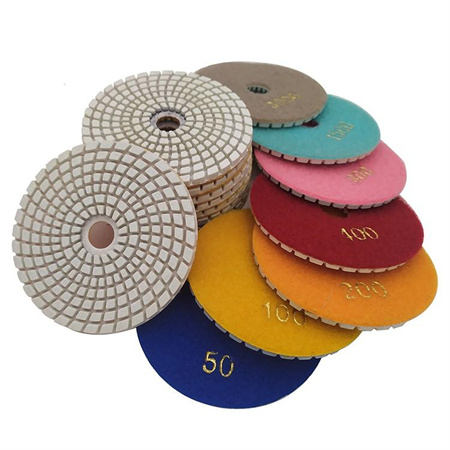
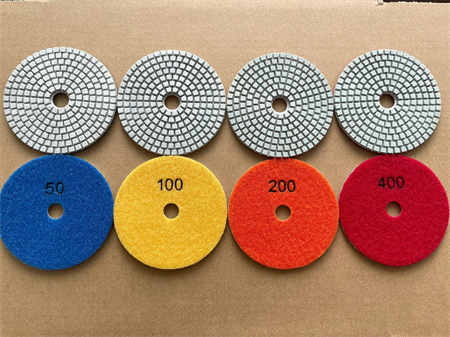
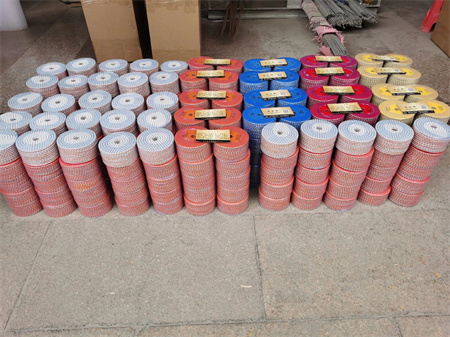
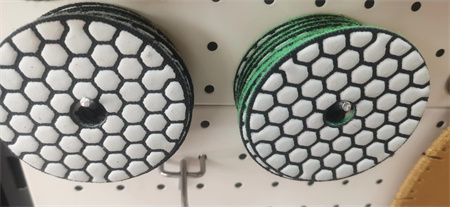
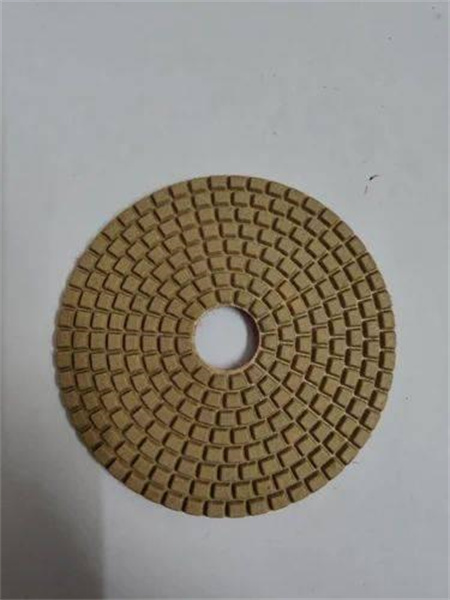
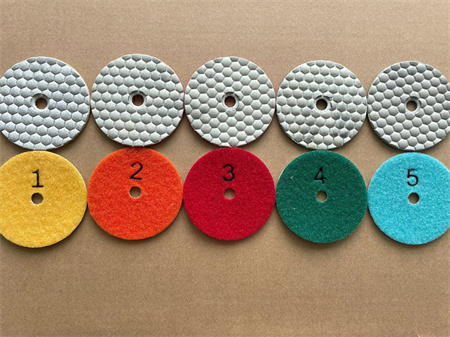
Top Suppliers of Wholesale Polishing Pads for Granite and Marble

Top Suppliers of Wholesale Polishing Pads for Granite and Marble
When it comes to achieving the perfect finish on granite and marble surfaces, the quality of the polishing pad used is absolutely crucial. Whether you’re working on a large-scale construction project or a small renovation, having the right pad can make all the difference. In this competitive market, there are numerous suppliers offering wholesale polishing pads, but not all of them are created equal. Let’s take a closer look at some of the top suppliers that have made a mark in the industry for their reliability, performance, and exceptional customer service.
1. DiaPlus
DiaPlus is a name that’s highly respected in the stone industry, particularly for granite and marble polishing. Known for their high-quality, durable products, DiaPlus offers a range of pads designed to meet the needs of both professionals and DIY enthusiasts. Their pads are famous for providing a superior shine, while maintaining excellent longevity, even under the most demanding conditions. With various grit levels available, DiaPlus ensures that every step of the polishing process—from rough grinding to final polishing—is covered.
One of the standout features of DiaPlus pads is their adaptability to different types of polishing machines. Whether you’re using a hand-held grinder or a larger floor machine, DiaPlus pads offer smooth performance with minimal vibration, which results in a more even, consistent finish. The company also offers competitive pricing on bulk purchases, making them a favorite choice for wholesale buyers looking to stock up without compromising on quality.
2. Makita
Although Makita is primarily known for its power tools, the brand also offers a range of high-performance polishing pads that work seamlessly with their equipment. Their wholesale polishing pads are designed specifically for use with granite, marble, and other natural stones. Makita’s reputation for precision and durability extends to their polishing pads, ensuring that users can achieve a flawless surface finish with ease.
What sets Makita apart is their focus on innovation. Their polishing pads are engineered with advanced materials that provide superior heat dissipation, preventing the pads from overheating during prolonged use. This technology leads to longer-lasting pads and reduces the risk of surface damage caused by excessive friction. Additionally, Makita offers great bulk pricing, making it an excellent choice for suppliers and contractors in need of wholesale quantities.
3. Tenax
Tenax is another top-tier supplier that stands out in the wholesale polishing pad market. The company has been around for decades and has earned a solid reputation for delivering products that meet the high standards of stone professionals worldwide. Tenax pads are renowned for their consistency, smoothness, and ability to bring out the natural luster of granite and marble.
Tenax’s product range includes everything from standard polishing pads to specialized options, such as those designed for use with water-fed machines or for polishing delicate stone surfaces. Their pads feature high-quality resin bonding that ensures uniform grit distribution, resulting in an even and smooth finish every time. Tenax also offers excellent customer service, with knowledgeable staff always available to help customers select the right pads for their specific needs.
4. HTC
HTC is well-regarded for its floor grinding and polishing tools, but the company’s range of wholesale polishing pads deserves equal attention. HTC pads are widely used for commercial and industrial applications, including polishing large granite and marble surfaces. The company is known for producing highly durable and versatile pads that can handle a wide range of applications, from light polishing to heavy-duty grinding.
HTC’s pads are made using high-quality synthetic diamonds and resins, ensuring superior performance even under the most challenging conditions. Whether you’re polishing rough granite or polishing a high-gloss finish on marble, HTC pads deliver consistent results. With their flexible pricing options and bulk purchasing discounts, HTC remains a top choice for contractors and wholesalers looking for a reliable source of polishing pads.
5. Granite City Tools
Top Suppliers of Wholesale Polishing Pads for Granite and Marble
Granite City Tools is one of the leading suppliers of wholesale granite and marble polishing pads in the U.S. The company offers a broad selection of pads that cater to both the professional stone fabricator and the home renovation enthusiast. Granite City Tools is particularly known for their extensive stock of pads from leading brands, as well as their own branded products that offer excellent performance at competitive prices.
What makes Granite City Tools a go-to supplier is their commitment to quality and customer service. They offer a wide variety of grit options, from coarse pads for initial grinding to ultra-fine pads that create that perfect mirror-like finish. In addition, their wholesale pricing structure allows contractors to purchase in bulk without breaking the bank, while still ensuring they receive top-notch products.
6. Alpha Professional Tools
Alpha Professional Tools is another well-known supplier specializing in stoneworking tools and accessories, including high-quality polishing pads for granite and marble. Alpha’s polishing pads are engineered for precision, providing excellent results with minimal effort. Whether you need pads for polishing countertops, flooring, or other stone surfaces, Alpha has a solution that fits.
Top Suppliers of Wholesale Polishing Pads for Granite and Marble
Alpha is particularly noted for their unique hybrid diamond pads, which combine the durability of diamonds with the smoothness of resin, offering a smooth yet aggressive polishing action. These pads are ideal for professionals looking for both efficiency and quality. With their vast distribution network and attractive wholesale rates, Alpha Professional Tools continues to be a popular choice for those in need of bulk polishing pads.
Conclusion
Finding the right supplier for wholesale polishing pads can be a daunting task with so many options available, but the brands mentioned above have consistently proven their ability to deliver top-quality products that professionals and contractors can rely on. From DiaPlus’ versatile and durable pads to Makita’s innovation and Tenax’s consistency, these suppliers provide excellent value and performance. Whether you’re a small business or a large enterprise, investing in the right polishing pads is key to ensuring the best finish for granite and marble surfaces—and these suppliers are here to help you do just that.
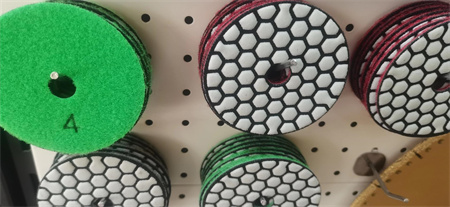
Top Suppliers of Wholesale Polishing Pads for Granite and Marble

Categories
Uncategorized

Top Diamond Polishing Pads for Professional Stone Fabricators

Top Diamond Polishing Pads for Professional Stone Fabricators

Top Diamond Polishing Pads for Professional Stone Fabricators
When it comes to stone fabrication, the quality of the finish can make all the difference. Whether you’re working with granite, marble, or quartz, achieving a high-quality polish is essential for both aesthetics and durability. One of the most important tools in a stone fabricator’s arsenal is the diamond polishing pad. These pads are designed to give stones a flawless, mirror-like finish, but not all diamond pads are created equal. So, what makes the best pads stand out? Let’s dive into the top options available and what makes them a must-have for any professional.
First, it’s crucial to understand the role diamond polishing pads play in stone fabrication. They are used to smooth out the surface of the stone and remove any imperfections left behind from cutting or grinding. The diamond particles embedded in the pad allow for precision and durability, making them ideal for polishing stone surfaces. High-quality pads not only provide a superior finish but also extend the life of the stone by removing rough patches and maintaining its structural integrity.
One standout option is the Flex Hone Diamond Polishing Pad. Known for its versatility, the Flex Hone is favored by many professionals who need a pad that can handle various types of stone with ease. Whether you’re working on soft marble or tough granite, this pad offers consistent performance and high efficiency. What sets it apart is its ability to maintain a steady level of aggression throughout its lifespan. This means you won’t need to switch pads frequently during a project, saving both time and money.
For fabricators looking for something that combines durability with a smooth finish, Viper Polishing Pads are hard to beat. These pads are engineered for aggressive polishing while ensuring a smooth, high-gloss shine. Their unique formulation offers optimal performance even on challenging surfaces, which makes them perfect for those long, demanding projects where consistency is key. Viper pads are known for their long lifespan, resisting wear and tear even during heavy use. Whether you’re polishing large surfaces or intricate edges, these pads won’t disappoint.
Top Diamond Polishing Pads for Professional Stone Fabricators
If you’re after exceptional performance on both wet and dry surfaces, the Grit Diamond Polishing Pads should be on your radar. These pads are particularly effective for fabricators working in environments where moisture is either limited or undesirable. Grit pads are designed to work seamlessly on both wet and dry surfaces, making them highly adaptable for different conditions. The quality of the finish they provide is second to none, delivering a beautiful, glossy surface without the need for constant reapplication. This versatility makes them an essential choice for many professionals in the stone fabrication industry.
Top Diamond Polishing Pads for Professional Stone Fabricators
Another top contender is the Diamond Z Polishing Pad, which is widely appreciated for its aggressive cutting power and ability to deliver a high gloss with fewer steps. Fabricators often choose the Diamond Z pad for its fast cutting ability, which allows for more efficient projects without sacrificing quality. While some pads require multiple passes to achieve the desired level of polish, the Diamond Z pad often does the job in fewer passes, cutting down on time and labor. It is ideal for both coarse and fine polishing stages, making it a reliable all-around option.
For those seeking premium quality, the Makita Diamond Polishing Pad series should not be overlooked. These pads are a favorite among professionals who need consistent, high-quality results time and time again. Known for their superior diamond concentration, Makita pads are particularly effective in providing an even, glossy finish without the issues of streaking or discoloration. They’re durable, reliable, and perform well across a wide range of stones, making them an excellent choice for any high-volume fabricator.
Of course, no matter which pad you choose, the best results will always depend on proper technique. Using the right pressure, maintaining the correct speed, and pairing the pad with the appropriate backing plate will all contribute to a superior finish. Professionals know that the right combination of pad and technique is essential to ensuring the stone maintains its natural beauty and strength.
In conclusion, selecting the right diamond polishing pad is more than just about picking the most popular brand—it’s about finding the tool that best suits your needs, whether that’s versatility, durability, or sheer cutting power. The pads mentioned here—Flex Hone, Viper, Grit, Diamond Z, and Makita—each offer unique benefits that cater to different needs in the stone fabrication world. With the right pad, you’ll not only achieve a flawless finish but also streamline your workflow, allowing you to focus on what you do best: creating beautiful stone surfaces.

Categories
Uncategorized

The Growing Demand for Diamond Polishing Pads in Architecture

The Growing Demand for Diamond Polishing Pads in Architecture
In recent years, the architecture and construction industries have experienced a significant transformation in terms of both materials and techniques. Among the innovations that have emerged, the use of diamond polishing pads has taken center stage. These specialized tools, initially common in the stone and flooring industries, are now becoming indispensable in architecture, offering enhanced precision, durability, and a superior finish. As the demand for higher-quality, aesthetically appealing designs continues to rise, the role of diamond polishing pads in shaping the future of architecture has never been more crucial.
Architects and builders are constantly on the lookout for ways to bring beauty and functionality together in their projects. The emphasis on using natural stone, marble, granite, and other hard surfaces has grown in recent years, as these materials are not only durable but also convey a sense of luxury and timelessness. However, the challenge lies in how these materials are finished and polished to enhance their natural appeal. This is where diamond polishing pads come into play.
Diamond polishing pads are made with synthetic diamonds embedded in a durable, flexible backing. These diamonds, known for their hardness, are able to cut through even the hardest materials, such as granite and concrete, with ease. They are used to smooth out rough surfaces, eliminate imperfections, and provide a mirror-like, glossy finish. The precision with which these pads can work makes them ideal for architects who demand the highest quality of craftsmanship for their projects.
One of the key factors driving the increasing use of diamond polishing pads in architecture is the growing desire for high-end finishes. Today’s architects and interior designers often look for materials that can not only withstand the test of time but also make a bold statement. Whether it’s in the form of a glossy marble countertop in a luxury kitchen, a smooth concrete wall in a modern living space, or a polished stone floor in a high-end commercial building, the demand for flawless finishes is at an all-time high.
This trend is particularly evident in the residential and commercial sectors, where the demand for luxury materials and finishes has surged. Homeowners and business owners alike are willing to invest more in their spaces, and polished stone surfaces have become synonymous with sophistication. In fact, the more aesthetically pleasing the surface, the greater the perceived value of the building itself. Diamond polishing pads provide the ideal solution for architects striving to meet these high expectations, enabling them to achieve flawless results every time.

The Growing Demand for Diamond Polishing Pads in Architecture
Another significant driver of the increased use of diamond polishing pads is the shift towards sustainability in the architecture industry. As construction professionals seek to reduce their environmental footprint, they are turning to more eco-friendly materials and methods. Diamond polishing pads, when used correctly, can be a more sustainable option compared to traditional polishing techniques. Traditional methods often rely on chemical-laden products that may be harmful to the environment. On the other hand, diamond pads work without the need for harsh chemicals, making them a safer and more environmentally responsible choice for those seeking to build in a greener way.
Moreover, as technology advances, so too do the capabilities of diamond polishing pads. The latest pads offer greater efficiency, faster results, and more versatility across a wide range of materials. Modern diamond pads come in various grit sizes, allowing architects to choose the appropriate level of abrasiveness for the specific finish they desire. Whether they are working on rough, untreated surfaces or need to achieve a high-gloss, polished effect, these pads can be tailored to meet a wide range of needs.
In addition to their effectiveness in creating stunning finishes, diamond polishing pads also offer remarkable cost-efficiency. Although they may require a higher initial investment than traditional polishing tools, they last longer and require less maintenance, which can save builders and architects significant amounts of time and money in the long run. Furthermore, the time saved in achieving high-quality finishes without the need for additional steps in the polishing process makes these pads a highly attractive option for professionals in the field.
The Growing Demand for Diamond Polishing Pads in Architecture
The architectural world has long been in search of ways to enhance the beauty and durability of the materials it uses, and diamond polishing pads have proven to be a game-changer. With their ability to provide flawless finishes, reduce environmental impact, and save time and money, these tools are quickly becoming a standard in modern architectural projects. As the industry continues to evolve and the demand for high-quality, sustainable designs grows, it’s clear that diamond polishing pads will remain an essential tool for architects, builders, and designers alike. Their growing popularity is not just a passing trend but a reflection of the future of architecture—one that prioritizes both aesthetic excellence and environmental responsibility.

The Growing Demand for Diamond Polishing Pads in Architecture

Categories
Uncategorized

The Best Diamond Polishing Pads for Heavy-Duty Projects

The Best Diamond Polishing Pads for Heavy-Duty Projects
When it comes to heavy-duty polishing tasks, whether you’re working on concrete, stone, or metal surfaces, using the right tools can make a world of difference. Among these tools, diamond polishing pads stand out as some of the most durable and effective options available. Designed to handle tough materials and high-intensity projects, they ensure a professional finish that lasts. But with so many options on the market, how do you know which diamond polishing pads are truly up to the task? Let’s dive into the details to uncover what makes the best pads for heavy-duty work.

The Best Diamond Polishing Pads for Heavy-Duty Projects
Durability at Its Core
The first thing you’ll want in a diamond polishing pad is durability. Heavy-duty projects often involve extended hours of work and tough surfaces that can wear down inferior materials quickly. The best diamond polishing pads are made with industrial-grade diamonds, ensuring that they can handle both the pressure and the friction required for aggressive polishing. These pads are designed to withstand prolonged use without losing their effectiveness, even when used on harder surfaces like granite or concrete.
A key feature to look for is the pad’s bond quality. Diamond pads use a resin, metal, or hybrid bond to hold the diamonds in place. Metal-bonded pads are particularly well-suited for heavy-duty tasks, as they offer superior durability and are less prone to wearing out prematurely. For projects where the surface is exceptionally tough, these metal-bonded pads provide the right balance of cutting power and longevity.
Consistent Performance and Quality
Consistency is another hallmark of the best diamond polishing pads. In heavy-duty work, the last thing you want is to deal with a pad that produces uneven results or wears down unevenly. High-quality diamond polishing pads are engineered to deliver a smooth, consistent finish, no matter how tough the project is. The uniformity of the diamond particles ensures a steady rate of material removal, while the flexible nature of the pads allows for better contouring around curved or irregular surfaces.
For polishing projects that involve multiple stages—such as grinding, honing, and polishing—the best pads offer a variety of grits, from coarse to fine. This ensures you can achieve a smooth, high-gloss finish without compromising on efficiency. Some brands offer complete polishing kits with pads designed for each stage of the process, making it easier to achieve professional results.
Versatility for Different Materials
Another reason diamond polishing pads are a favorite among professionals is their versatility. Heavy-duty projects often require polishing multiple materials, each with its own unique challenges. Whether you’re working on marble, concrete, terrazzo, or even metals like stainless steel, the best diamond polishing pads are designed to tackle a wide range of materials effectively. Different formulations are optimized for specific surfaces, so you can expect tailored performance, whether you’re polishing a countertop or refinishing a floor.
Pads that are marked as “wet” or “dry” offer even more flexibility. Wet polishing pads are perfect for preventing excessive heat buildup during the polishing process, which is especially useful for materials like granite. On the other hand, dry polishing pads are ideal for projects where water use is not practical or desired. Being able to choose between these options ensures that you can select the best pad for the job, enhancing both the efficiency and quality of the work.
Comfort and Ease of Use
Although the performance of the pad is critical, comfort should not be overlooked. Heavy-duty polishing can be demanding on the body, especially when using equipment for extended periods. The best diamond polishing pads are designed with user comfort in mind. Look for pads that offer easy attachment to polishing machines and are lightweight, reducing the strain on your hands and arms during operation.
Additionally, the ergonomic design of some pads allows for smoother handling, which minimizes vibration. This is particularly important for reducing user fatigue and ensuring a more controlled, precise polishing process. If you’re working on large-scale projects, the right pad can make a huge difference in the overall experience, enabling you to work longer and more effectively without compromising your results.
The Best Diamond Polishing Pads for Heavy-Duty Projects
Cost vs. Quality
When it comes to heavy-duty projects, opting for cheap diamond polishing pads can often result in a poor-quality finish or a product that doesn’t last. While premium diamond polishing pads may come with a higher upfront cost, they pay for themselves in the long run due to their durability and consistent performance. Investing in high-quality pads means fewer replacements, better results, and less frustration in the middle of a tough project.
However, you don’t have to break the bank to get the best. Many reputable brands offer reasonably priced options that still deliver excellent results for heavy-duty polishing jobs. Always ensure that you’re buying from trusted sources and that the pads are suited for the specific demands of your project.
The Best Diamond Polishing Pads for Heavy-Duty Projects
Conclusion
Choosing the right diamond polishing pad for your heavy-duty project can be a game changer. Whether you’re polishing a large floor area, restoring a stone surface, or perfecting a metal finish, the right pad will make your job easier, faster, and more efficient. With durability, consistent performance, versatility, and comfort all playing key roles, you’ll want to make sure the pads you choose are up to the task. In the end, investing in quality diamond polishing pads not only ensures a flawless finish but also helps you save time and money in the long run, enabling you to tackle even the toughest of projects with confidence.

Categories
Uncategorized

The Ultimate Guide to Diamond Polishing Pads

The Ultimate Guide to Diamond Polishing Pads
When it comes to achieving a flawless finish on stone surfaces, diamond polishing pads are a game-changer. These high-performance tools are designed to make the job of polishing and refining various materials, such as marble, granite, concrete, and even glass, more efficient and effective than ever. Whether you’re a professional contractor or a DIY enthusiast, understanding the ins and outs of diamond polishing pads can drastically improve your results. This guide will walk you through everything you need to know about these powerful tools.
What Exactly Are Diamond Polishing Pads?

The Ultimate Guide to Diamond Polishing Pads
At their core, diamond polishing pads are a type of abrasive pad designed to smooth, polish, and refine surfaces. What sets them apart from other polishing pads is the use of industrial-grade diamonds embedded within the pad material. These diamonds allow for a much more aggressive approach to polishing, providing a superior finish compared to traditional abrasives. The diamond particles are typically embedded in resin or metal, and their hardness makes them perfect for tackling tough materials that would otherwise be difficult to polish.
The beauty of diamond polishing pads lies in their versatility. They can be used on a variety of surfaces, including granite countertops, marble floors, concrete floors, and even glass. Whether you’re working on a large-scale commercial project or a smaller home renovation, diamond polishing pads are designed to deliver high-quality results every time.
How Do Diamond Polishing Pads Work?
The Ultimate Guide to Diamond Polishing Pads
Diamond polishing pads work by grinding down the surface of the material, gradually removing imperfections, scratches, and rough patches. As you use the pad, the diamonds wear down slowly, exposing fresh, sharp edges that continue to cut through the material. This ongoing process of abrasion allows the pad to achieve a mirror-like shine over time.
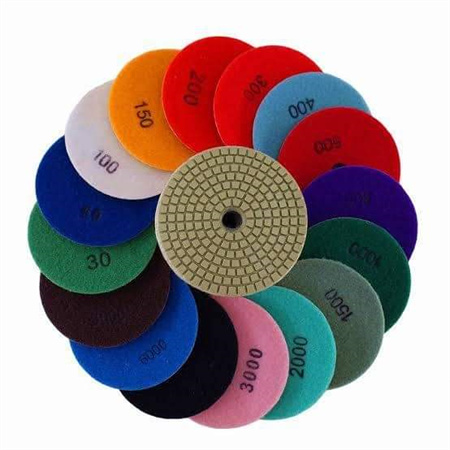
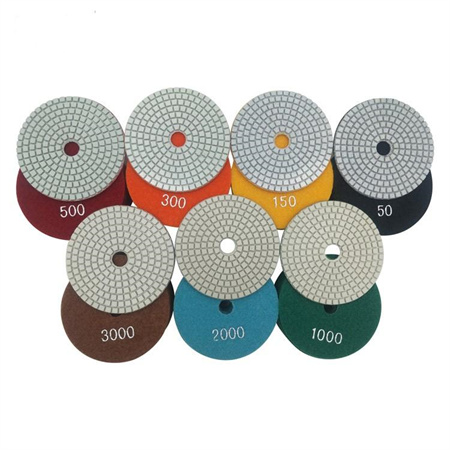
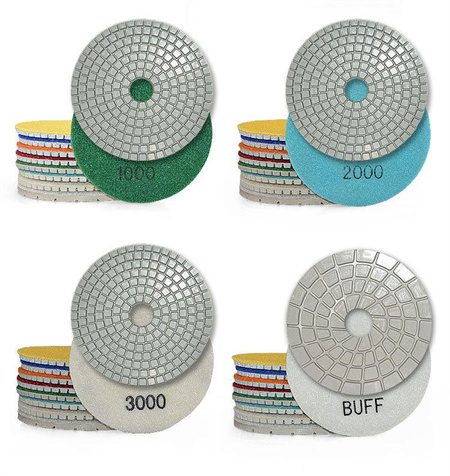
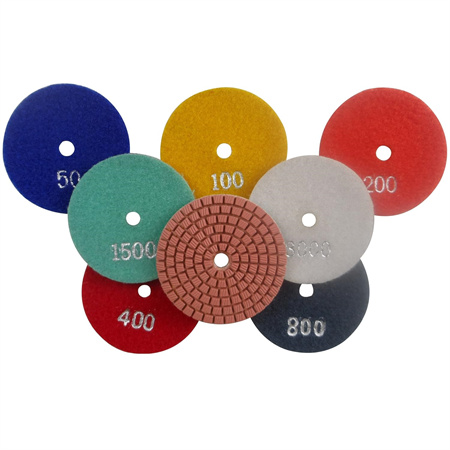
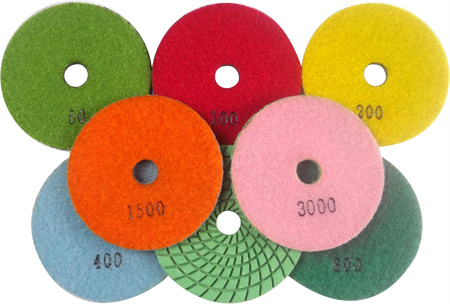
The pads typically come in a series of grits, with each grit level suited for a specific stage of the polishing process. The coarser grits (usually ranging from 50 to 400) are used for heavy grinding and removing deep scratches. As you progress to finer grits (from 800 to 3000 or even higher), the pad refines the surface, achieving a smoother and glossier finish.
The process is fairly straightforward but requires patience and skill. It’s essential to move in consistent, circular motions when using diamond pads. Overlapping your strokes will ensure that the entire surface gets treated evenly, reducing the risk of streaks or uneven finishes. Water is typically used during polishing to help reduce heat buildup, as excessive heat can damage both the pad and the surface being polished.
Choosing the Right Diamond Polishing Pad for Your Project
The Ultimate Guide to Diamond Polishing Pads
Selecting the appropriate diamond polishing pad is key to achieving the best possible results. The first consideration is the type of surface you are working with. For example, harder materials like granite and concrete require diamond pads with a higher concentration of diamonds and a tougher bond, as these materials can be much more challenging to polish than softer stones like marble or limestone.
Another factor to consider is the grit size. As mentioned earlier, the grit range is essential for the success of your project. If you’re starting with a rough, unfinished surface, begin with a coarse grit pad and work your way through finer pads. If you’re looking to give a surface a light touch-up, a finer grit might be all you need.
Resin-bonded diamond pads are commonly used for softer materials like marble and terrazzo, offering a smooth finish without excessive abrasion. For harder surfaces like granite or concrete, metal-bonded pads are usually the preferred option. These pads tend to last longer and are more aggressive, making them suitable for tougher jobs.
Benefits of Using Diamond Polishing Pads
One of the primary reasons diamond polishing pads have become so popular is their ability to provide high-quality finishes quickly and effectively. Whether you’re polishing floors, countertops, or intricate stone features, diamond pads cut down on labor time while ensuring a superior finish.
Additionally, these pads offer great durability. The diamonds themselves are extremely hard and wear-resistant, meaning your polishing pads will last far longer than traditional abrasive pads. This long lifespan results in better value for money, especially for professionals who need to rely on their tools for multiple projects.
Diamond polishing pads are also highly versatile. Their range of grits and the ability to work on different surfaces make them an essential tool for anyone in the stoneworking industry. They’re not just limited to traditional stone surfaces either—these pads can be used on concrete, glass, and even some metals, expanding the possibilities for a wide array of applications.
Maintaining Diamond Polishing Pads
To get the most out of your diamond polishing pads, proper care and maintenance are essential. After each use, rinse the pads thoroughly to remove any debris or particles that could damage the surface on your next job. Avoid letting the pads dry out after use; instead, store them in a cool, dry place to maintain their effectiveness.
If you’re using the pads on wet surfaces, make sure the water doesn’t get too dirty, as this could cause the pads to clog and lose their efficiency. For metal-bonded pads, occasional cleaning with a wire brush can help maintain their performance by removing any accumulated debris from the diamond segments.
Conclusion
Diamond polishing pads are a revolutionary tool in the world of stone and surface finishing. Their efficiency, durability, and ability to produce stunning results make them indispensable for anyone looking to achieve a high-quality polish on a variety of materials. With the right pad, proper technique, and a little patience, you can transform any surface into a gleaming masterpiece. Whether you’re polishing floors, countertops, or intricate stone features, diamond polishing pads will help you get the job done with precision and ease.

Categories
Uncategorized

Speed and Pressure Guidelines for Diamond Pads

Speed and Pressure Guidelines for Diamond Pads
Diamond pads are essential tools for a variety of polishing and grinding applications. Whether you’re working on concrete, marble, granite, or other surfaces, these pads can deliver a flawless finish. However, achieving optimal results with diamond pads requires more than just choosing the right grit or material. Speed and pressure play a crucial role in maximizing the effectiveness of diamond pads and extending their lifespan.

Speed and Pressure Guidelines for Diamond Pads
The relationship between speed and pressure might seem straightforward, but it’s a delicate balance. Too much speed or pressure can lead to premature wear or even damage to both the surface and the diamond pad itself. On the other hand, too little pressure or speed might not be effective, leaving you with subpar results. Understanding how to use both elements correctly is key to achieving a smooth, polished surface efficiently.
Speed and Pressure Guidelines for Diamond Pads
The Importance of Speed
Speed and Pressure Guidelines for Diamond Pads
The speed at which you operate the machine is critical in determining the quality of your results. Higher speeds are typically associated with faster material removal and more aggressive grinding or polishing. However, the optimal speed can vary depending on the type of material you’re working with and the specific task at hand.
For instance, when working with harder materials like granite, you might need to operate the machine at a lower speed to prevent excessive heat buildup, which can damage the diamond pad and the surface. Too much heat can also lead to discoloration or burn marks on the stone. On the other hand, for softer materials like marble, a higher speed may be more appropriate to achieve the desired results faster and more effectively.
In general, it’s important to match the speed to the hardness of the material. Soft materials typically require higher speeds, while harder materials need slower speeds to prevent overheating and to provide better control over the polishing process. Always start at a moderate speed and adjust as needed based on the surface response.
Pressure and Its Impact
Pressure is equally important when using diamond pads. Too much pressure can cause the diamonds to wear out too quickly or cause damage to the surface you’re working on. Applying excessive pressure also increases the risk of uneven results, as the pad may wear down in certain areas more quickly than others.
For optimal performance, the general rule is to apply light to moderate pressure. If you’re using a floor machine or hand grinder, avoid forcing the tool down onto the surface. Instead, let the weight of the machine do most of the work. The pad should be in contact with the surface enough to provide a consistent and effective grinding or polishing action, but without excessive pressure that could lead to premature wear.
It’s also important to remember that the type of surface you’re working on can influence the amount of pressure you should apply. For example, if you’re polishing a delicate surface like terrazzo or marble, too much pressure can leave marks or cause the surface to dull. Conversely, when working on tougher surfaces like concrete, applying a bit more pressure may help in speeding up the process.
Balancing Speed and Pressure
Finding the right balance between speed and pressure is key to maximizing the performance of your diamond pads. Too much of either can reduce the effectiveness of the pad, while too little can lead to slower results and the need for more time-consuming passes.
A common mistake is to increase both speed and pressure at the same time to achieve faster results. While this may seem logical, it often results in diminishing returns. Instead, experiment with adjusting either speed or pressure first, depending on the specific job and material, and then fine-tune the other parameter to achieve the best balance.
If you’re unsure about the right settings, it’s a good idea to start with low speed and light pressure, and then gradually increase either speed or pressure to test the results. Keep a close eye on the wear of the pad, the surface condition, and the quality of the finish to adjust your technique accordingly.
Maintaining Diamond Pads for Longevity
One of the advantages of diamond pads is their durability when properly maintained. Using the correct speed and pressure is a big part of extending the life of your pads, but other factors come into play as well. Regularly cleaning the pads to remove debris and buildup can help preserve their cutting and polishing ability. Additionally, ensuring the pads are dry before use (if working with dry pads) can prevent premature wear caused by excessive moisture.
Another tip is to rotate your diamond pads regularly to ensure even wear. Avoiding excessive heat buildup is key to maintaining their effectiveness, so always let the machine cool down if you’ve been using it for long periods.
Conclusion
Achieving the perfect polished finish with diamond pads isn’t just about the pads themselves – it’s about understanding how speed and pressure interact and how to use them effectively. Each project and material might require slight adjustments, but keeping speed at appropriate levels for the material hardness, combined with moderate pressure, will help you achieve the best results while extending the life of your pads. With a little practice and attention to detail, you can master the art of polishing and grinding with diamond pads, creating flawless surfaces that last.

Categories
Uncategorized

The Role of Resin in High-Performance Diamond Pads

The Role of Resin in High-Performance Diamond Pads
In the world of precision grinding and polishing, diamond pads are often the go-to solution for achieving high-quality finishes on hard materials. Whether it’s in the semiconductor industry, automotive manufacturing, or even the production of fine glass, these pads play a crucial role in shaping surfaces to a mirror-like perfection. While the diamonds themselves are undoubtedly the stars of the show, the resin used to bond them is the unsung hero of high-performance diamond pads. Understanding the role resin plays can provide insights into why these pads are so effective and durable, offering the perfect balance of cutting power and finishing precision.

The Role of Resin in High-Performance Diamond Pads
At its core, resin acts as the binding agent that holds the diamonds together in a cohesive, functional form. But its job doesn’t stop there. Resin plays a critical part in controlling the performance characteristics of the diamond pads, ensuring that they not only remove material effectively but also maintain their longevity, consistency, and reliability over time.
One of the primary roles of resin in diamond pads is to regulate the release of diamonds during the grinding or polishing process. Unlike metal-bonded pads, where the diamonds are embedded more firmly, resin-bonded pads allow the diamonds to wear out gradually and evenly. This controlled exposure of new diamond particles ensures that the pad remains aggressive enough to remove material without becoming overly abrasive, preventing the risk of damaging the workpiece. The uniformity with which diamonds are exposed during the wear cycle is key to maintaining a consistent finish, making resin-bonded pads ideal for high-precision applications.
The flexibility of resin also contributes to its effectiveness in high-performance diamond pads. Resin bonds tend to have a certain level of elasticity, which allows them to absorb shocks and distribute the pressure applied during grinding or polishing. This flexibility means that the pad can adapt to the contours of the workpiece more easily, leading to a smoother, more even finish. In applications where intricate shapes or delicate materials are involved, the resin’s ability to provide controlled pressure distribution is essential for achieving high-quality results.
Temperature resistance is another area where resin proves to be invaluable. When diamond pads are used in high-speed grinding or polishing processes, friction can generate significant amounts of heat. The resin must be able to withstand these temperatures without degrading, as any failure in the bond could result in the diamonds becoming dislodged or unevenly exposed, compromising the pad’s performance. High-performance resins are specifically designed to resist thermal degradation, maintaining the structural integrity of the pad even under extreme conditions. This heat resistance ensures that the pads can perform consistently, even during extended operations, without losing their cutting or polishing effectiveness.
The type of resin used in diamond pads also impacts the overall hardness and durability of the pad. Different formulations of resins are available, ranging from softer options that are ideal for more delicate finishing tasks to harder resins that are better suited for heavy grinding operations. The choice of resin can influence not only the lifespan of the diamond pad but also the surface finish it produces. Softer resins, for instance, are often chosen for applications requiring a finer finish, while harder resins are favored for their ability to sustain aggressive grinding over longer periods of time. Manufacturers carefully select the resin type based on the specific needs of the task at hand, ensuring the ideal balance between cutting power and finishing quality.
The Role of Resin in High-Performance Diamond Pads
In addition to performance, resin contributes significantly to the ease of use and cost-effectiveness of diamond pads. The resin bond process is typically easier and less expensive to manufacture than metal bonds, which makes resin-bonded pads a more affordable solution for many industrial applications. Despite being cost-effective, resin-bonded pads do not compromise on quality, providing users with a highly efficient solution that can meet the demands of precision work.
Resin also plays a key role in the environmental sustainability of diamond pads. Because resin-bonded pads are less likely to cause excessive wear or damage to both the material being worked on and the pad itself, they contribute to reducing waste. In comparison to other materials that might need to be replaced more frequently, resin pads often offer longer life cycles, which in turn helps reduce the need for frequent replacements and decreases overall material consumption.
When it comes to high-performance diamond pads, resin does far more than just hold the diamonds in place. Its role as a versatile bonding agent that helps regulate the release of diamonds, offers temperature resistance, provides flexibility, and influences hardness makes it an indispensable component. Whether you’re looking to achieve a fine finish on a delicate material or tackle heavy-duty grinding tasks, the right resin can make all the difference in the performance and longevity of your diamond pads. By choosing high-quality resin, manufacturers can ensure that their diamond pads continue to deliver exceptional results, consistently meeting the rigorous demands of precision industries.
The Role of Resin in High-Performance Diamond Pads

Categories
Uncategorized

Reducing Environmental Impact During Diamond Pad Manufacturing

Reducing Environmental Impact During Diamond Pad Manufacturing
The diamond pad manufacturing industry plays a pivotal role in the world of high-precision polishing, especially in semiconductor and electronics manufacturing. However, the process of creating these essential tools can come with significant environmental challenges. From the extraction of raw materials to the energy-intensive production processes, diamond pad manufacturing often leaves a hefty carbon footprint. In recent years, companies have begun rethinking their approaches, pushing for greener, more sustainable practices. This shift is crucial not only for meeting industry regulations but also for reducing environmental harm and contributing to global sustainability goals.
One of the first areas where environmental impact can be mitigated is in the sourcing of materials. Traditional diamond pads are crafted from natural diamonds, which require extensive mining operations, causing environmental degradation, habitat destruction, and significant carbon emissions. A growing movement toward synthetic diamonds offers a promising alternative. Created in labs through processes like chemical vapor deposition (CVD) or high-pressure, high-temperature (HPHT) methods, synthetic diamonds can be produced with fewer resources and a smaller ecological footprint. This transition not only alleviates the environmental burdens of diamond mining but also ensures a more controlled and predictable supply chain.
Furthermore, manufacturers are focusing on improving the efficiency of the production process itself. Diamond pad manufacturing involves intricate processes such as bonding diamonds to a backing material, shaping the pads, and ensuring that the final product meets strict standards for precision. Many of these steps have traditionally been resource-heavy, requiring high amounts of energy, water, and chemicals. To combat this, manufacturers are adopting energy-efficient machinery and reducing water consumption by implementing closed-loop systems. These systems recycle water throughout the production stages, minimizing waste and ensuring that harmful chemicals do not contaminate local water sources.
One of the most exciting developments in diamond pad manufacturing is the use of sustainable binders and adhesives. Traditionally, the bonding agents used in the process have been based on petroleum-derived chemicals, which contribute to pollution and are not biodegradable. By shifting to bio-based adhesives and environmentally friendly bonding materials, manufacturers are cutting down on the use of toxic substances and reducing their reliance on fossil fuels. This not only makes the pads safer to handle but also decreases their overall environmental impact.
At the same time, manufacturers are embracing a circular economy approach, where the end-of-life phase of diamond pads is carefully considered. Rather than discarding used pads, companies are now exploring ways to repurpose or recycle them. For example, worn-out pads can be reconditioned by removing the old diamond particles and adding new ones, giving the product a second life. In some cases, the materials used in the pads are fully recyclable, which further minimizes waste and supports the long-term sustainability of the manufacturing industry.

Reducing Environmental Impact During Diamond Pad Manufacturing
The adoption of eco-friendly practices also extends beyond the physical aspects of diamond pad production. Companies are beginning to prioritize carbon offsetting, investing in renewable energy sources, and reducing the transportation-related carbon footprint by optimizing their supply chains. A move towards local sourcing and manufacturing can dramatically reduce the distance that materials and finished products must travel, cutting down on emissions linked to transportation.
Reducing Environmental Impact During Diamond Pad Manufacturing
In the world of industrial manufacturing, sustainability isn’t just about making small changes—it’s about overhauling entire systems to reduce the environmental footprint. When it comes to diamond pad production, embracing greener technologies and practices is a key part of ensuring a more sustainable future for both the industry and the planet. Through the use of synthetic diamonds, more efficient production methods, sustainable materials, and recycling efforts, the diamond pad industry is making strides in reducing its environmental impact.
The importance of these changes cannot be overstated. As consumers and businesses alike become more aware of the environmental challenges facing the world, there’s an increasing demand for products and practices that prioritize sustainability. For manufacturers of diamond pads, adopting these innovative, eco-friendly approaches is not just a trend—it’s a responsibility. By continuing to push for advancements in sustainable production methods, the industry is not only reducing its environmental footprint but also contributing to the broader global effort to combat climate change.
Reducing Environmental Impact During Diamond Pad Manufacturing
In conclusion, the future of diamond pad manufacturing looks increasingly green. The steps taken today to reduce the environmental impact of the industry will pave the way for a cleaner, more sustainable tomorrow. With ongoing innovation and a commitment to change, it’s possible to continue producing high-quality diamond pads while safeguarding the planet for future generations.

Categories
Uncategorized

How to Polish Tiles with Diamond Tools

How to Polish Tiles with Diamond Tools
When it comes to achieving a flawless finish on your tiles, nothing compares to the precision and efficiency offered by diamond tools. Whether you’re dealing with ceramic, porcelain, or even natural stone tiles, polishing with diamond tools is the key to bringing out that stunning shine and ensuring your tiles remain durable for years to come. But how exactly do you polish tiles with diamond tools? Let’s break it down.
First, it’s important to understand why diamond tools are the go-to choice for tile polishing. Diamond is one of the hardest materials on earth, which means it can grind and polish tiles with an unparalleled level of effectiveness. These tools are capable of smoothing out rough edges, eliminating scratches, and restoring the surface to its original glossy state without causing any damage. Whether you’re working on floor tiles, wall tiles, or countertops, diamond tools will help you achieve that professional, showroom-quality result.

How to Polish Tiles with Diamond Tools
Before diving into the polishing process, ensure you have the right equipment. Diamond polishing pads, typically used with a grinder or a rotary tool, are the most common tools for the job. These pads come in various grits, starting from coarse for heavy grinding, to finer grits for a smoother finish. You’ll also need a water source to keep things cool and prevent overheating, which can damage both the tool and the tile surface. If you’re polishing larger areas, a wet polisher or an angle grinder with a diamond polishing pad is often the most efficient option.
Start by cleaning the tile surface thoroughly. Any dirt, dust, or debris can interfere with the polishing process, leaving behind unsightly marks or even scratches. Use a mild detergent and water to scrub the tiles, ensuring they are completely free from any particles that could cause damage during polishing. It’s best to let the surface dry completely before you begin, as water can affect the effectiveness of the polishing process.
Next, attach the appropriate diamond pad to your grinder or rotary tool. If you’re just starting, begin with a coarser pad to tackle any imperfections or rough patches on the surface. Hold the tool firmly, but avoid applying too much pressure – let the diamond pad do the work. Begin polishing the tile in small, circular motions, gradually moving across the entire surface. It’s important to work in sections to ensure uniformity in the polish. After you’ve gone over the first area, move on to the next, keeping the tool moving consistently.
Once you’ve gone over the surface with the coarser pad, it’s time to move to finer grits. Each step up in grit removes finer scratches and smooths the surface. As you progress, you’ll notice the shine starting to develop. Remember, patience is key – don’t rush through the process. The more thorough you are at each stage, the better the final result will be.
In addition to the diamond pads, you can also use a buffing pad during the final stages of polishing. A soft buffing pad will help bring out the high-gloss finish that makes your tiles look brand new. To enhance the effect, apply a small amount of polishing compound specifically designed for tile surfaces. This compound works with the buffing pad to create an even glimmer across the surface, ensuring your tiles not only shine but also maintain a durable finish.
How to Polish Tiles with Diamond Tools
Keep in mind that polishing tiles with diamond tools requires care, especially when working with delicate tiles or intricate patterns. Always keep an eye on the temperature of the tiles as you work. Excess heat can cause tiles to crack or discolor, so take breaks as needed and ensure the water supply is keeping the pad and tile cool.
After polishing, take the time to wipe down the tiles with a clean, dry cloth to remove any excess residue from the polishing compound. A final inspection will help you spot any spots that may need a little extra attention, so go over those areas lightly, ensuring an even finish.
Diamond polishing isn’t just about aesthetics – it’s also about maintaining the integrity of the tile. Over time, dirt and grime can build up on tiles, especially in high-traffic areas. Regular polishing helps prevent wear and tear, keeps your tiles looking new, and even prolongs their lifespan. Additionally, tiles that have been polished properly are more resistant to stains and easier to clean, which makes them a practical choice for both residential and commercial spaces.
Polishing tiles with diamond tools may take some practice, but the results are definitely worth it. You’ll be left with beautifully smooth, glossy tiles that make a stunning statement in any room. Whether you’re renovating your kitchen, updating your bathroom, or just restoring your floors, using the right tools and techniques will ensure your tiles shine brightly for years to come. So, grab your diamond tools and get ready to transform your tiles into a work of art!

How to Polish Tiles with Diamond Tools

Categories
Uncategorized

Questions to Ask Your Supplier Before Purchasing Diamond Pads

Questions to Ask Your Supplier Before Purchasing Diamond Pads
When it comes to purchasing diamond pads, it’s not just about picking the first product that catches your eye. The process requires careful consideration to ensure you are getting high-quality pads that are both efficient and durable. Before making your decision, here are some crucial questions to ask your supplier to help guide your purchase.
1. What Type of Diamond Pad is Best for My Application?
Diamond pads come in a variety of types, each suited for specific tasks. Whether you’re working on concrete floors, granite countertops, or polishing marble, the type of diamond pad you choose plays a significant role in the result you achieve. Ask your supplier about the best option for your specific needs, especially if you are unsure. For example, wet pads are ideal for some surfaces, while dry pads may be more effective for others. Understanding your requirements will help you avoid purchasing pads that won’t meet your expectations.
2. What Grit Sizes Are Available, and What Should I Choose?
Diamond pads are available in a wide range of grit sizes, typically ranging from coarse to ultra-fine. The grit size you choose will depend on the level of polishing or grinding you require. If you’re working with a rough surface that needs significant abrasion, a coarser grit will be necessary. However, for finishing touches and achieving a smooth, high-gloss surface, a finer grit is preferable. Be sure to ask your supplier for recommendations based on the surface you’re working on and the type of finish you desire.
3. How Durable Are the Diamond Pads?
Durability is a key factor when it comes to diamond pads. After all, these pads are an investment, and you want to ensure that they last through numerous uses. Ask your supplier about the lifespan of the pads they offer. Factors such as the type of diamond used, the bonding material, and the manufacturing process will affect how long the pads will maintain their effectiveness. A reliable supplier should be able to provide insight into how many square feet each pad can handle before it begins to lose its efficiency.

Questions to Ask Your Supplier Before Purchasing Diamond Pads
4. Are the Pads Compatible with My Equipment?
Not all diamond pads are compatible with every machine. Whether you’re using a handheld grinder, floor buffer, or an industrial polishing machine, it’s important to ensure the pads you purchase fit your equipment. Ask your supplier for detailed specifications regarding compatibility. The last thing you want is to purchase a set of pads only to find they don’t match your tools, leading to unnecessary delays or additional expenses.
5. What Safety Standards Do the Pads Meet?
When dealing with diamond pads, safety should always be a priority. These pads are designed to handle tough materials and can be hazardous if not used correctly. Ensure that the pads meet necessary safety standards. Your supplier should provide information on any certifications or tests that the pads have undergone to guarantee their safety during use. Proper safety standards ensure the pads are designed to withstand the pressures of grinding and polishing while minimizing risks for operators.
6. What Is the Price, and Are There Discounts for Bulk Purchases?
While the price of diamond pads can vary depending on quality and specifications, it’s important to get a clear idea of what you’re paying for. Don’t hesitate to ask about the price range and inquire about any discounts if you’re purchasing in bulk. If you plan on making a large purchase, your supplier may be able to offer you a better deal or include extras to sweeten the deal. It’s also helpful to compare prices with other suppliers, but remember that cheaper doesn’t always mean better when it comes to diamond pads.
7. Can You Provide Samples or Trial Periods?
Before making a full commitment, it’s a great idea to ask your supplier if they can provide you with samples or a trial period. Testing a diamond pad on a small scale before committing to a larger order can save you time, money, and frustration. A trial run will help you assess the pad’s performance, durability, and suitability for your needs. If your supplier is confident in the quality of their products, they should be willing to offer a sample or allow you to test the pads.
Questions to Ask Your Supplier Before Purchasing Diamond Pads
8. What Kind of Customer Support Do You Offer?
Sometimes issues arise after a purchase, and when it comes to specialized equipment like diamond pads, having reliable customer support is vital. Ask your supplier about their after-sales service and warranty policies. Are they available to answer questions or provide assistance if something goes wrong? Do they offer refunds or exchanges if the pads don’t meet your expectations? Reliable customer service is a strong indicator that the supplier values long-term relationships with customers and is committed to ensuring your satisfaction.
9. What Maintenance Is Required for the Pads?
Questions to Ask Your Supplier Before Purchasing Diamond Pads
To maximize the lifespan of your diamond pads, proper maintenance is essential. Ask your supplier for tips and guidelines on how to care for the pads. Proper storage, cleaning methods, and usage tips will keep your pads functioning at their best. In some cases, there may be specific recommendations to prolong the effectiveness of the pads and maintain consistent results throughout their use.
10. What Is the Delivery and Shipping Time?
Lastly, inquire about the delivery and shipping timelines. If you have a tight schedule or project deadline, it’s crucial to know when you can expect the pads to arrive. Ask about shipping costs, delivery times, and whether expedited shipping is available. Reliable and timely delivery ensures you can begin your project without unnecessary delays.
In conclusion, purchasing diamond pads isn’t as simple as picking a product off the shelf. By asking the right questions, you can ensure you’re making an informed decision that will lead to better results, fewer hassles, and a longer-lasting investment.