Categories
Uncategorized

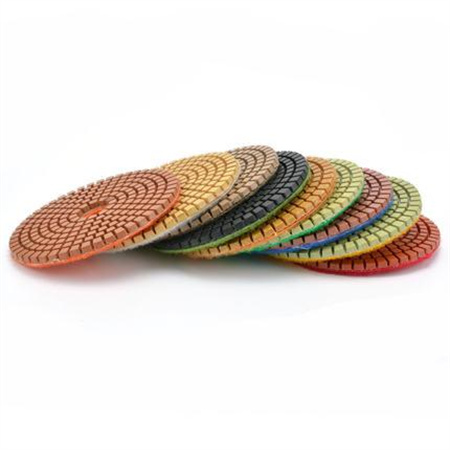
Latest Innovations in Diamond Polishing Pad Technology

Latest Innovations in Diamond Polishing Pad Technology
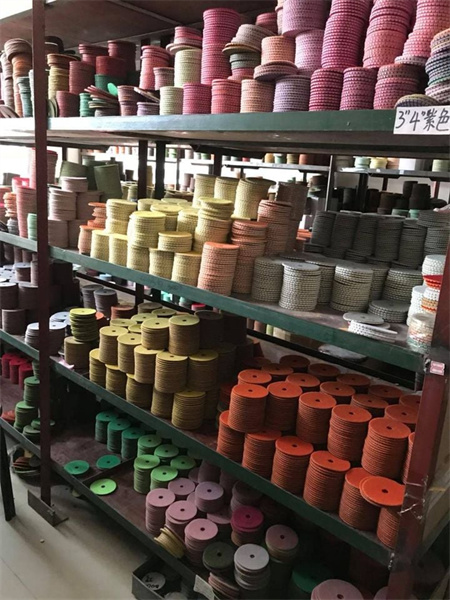
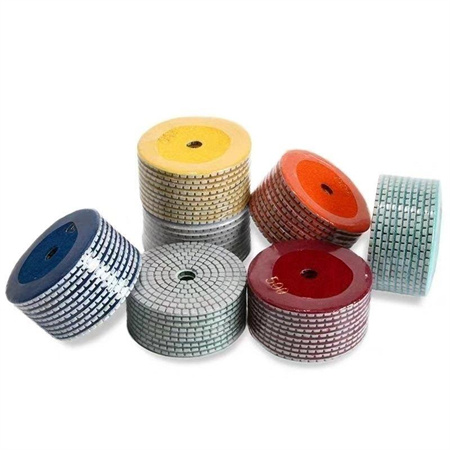
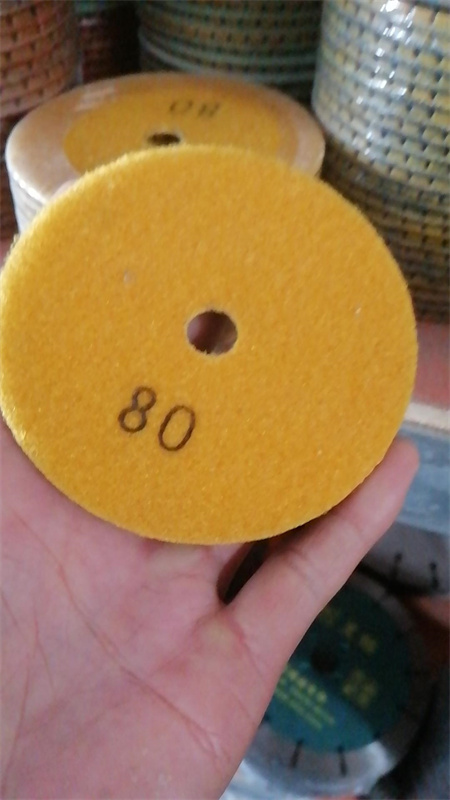
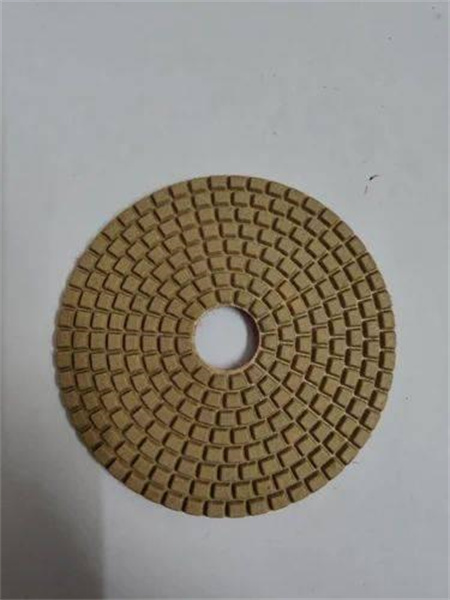
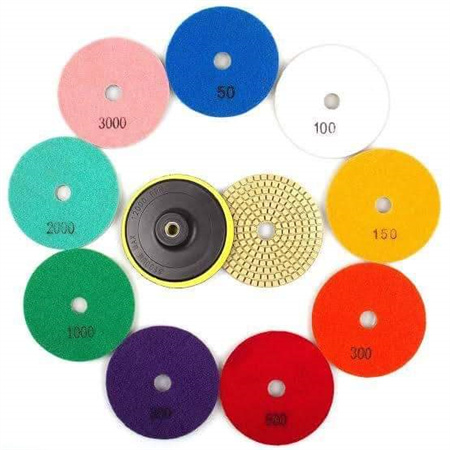
The world of diamond polishing pads has seen remarkable advancements in recent years. As industries ranging from stone processing to semiconductor manufacturing demand increasingly efficient, precise, and durable polishing solutions, innovation has become a driving force. The latest breakthroughs in diamond polishing pad technology are not only enhancing the quality of finishes but are also revolutionizing the speed and cost-effectiveness of the polishing process. These innovations have transformed the landscape of surface finishing, offering manufacturers new possibilities for delivering superior results.
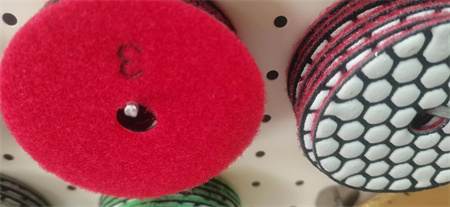
One of the most exciting trends in recent years has been the development of advanced bond systems. Traditional diamond polishing pads relied heavily on metal and resin bonding, but these new bond systems are taking performance to the next level. Hybrid bonds, for instance, combine the benefits of metal and resin to create pads that are not only more durable but also offer better heat resistance. This ensures that the pads maintain their effectiveness even under intense conditions. The introduction of new hybrid bond systems has dramatically improved the lifespan of polishing pads, allowing for extended use without compromising on performance.
Equally important is the rise of innovative diamond coatings. Diamond is already known for its superior hardness, making it ideal for polishing applications, but the new coating technologies are pushing the material’s performance even further. By optimizing the size, shape, and distribution of diamond particles on the pad surface, manufacturers have been able to create products that deliver faster and more consistent results. The finer and more uniform the diamond particles, the smoother the surface finish. With these new diamond coatings, polishing can be completed with greater precision, minimizing defects and reducing the need for subsequent polishing stages.
Latest Innovations in Diamond Polishing Pad Technology
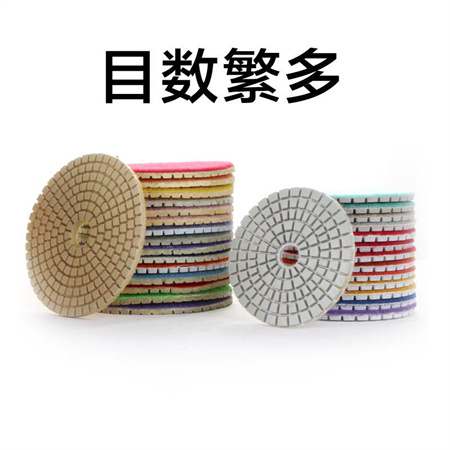
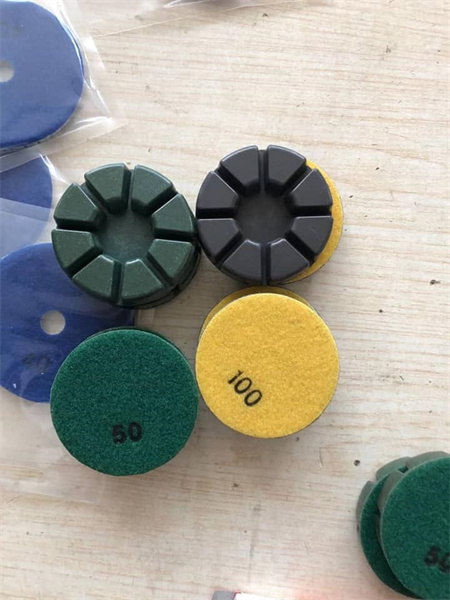
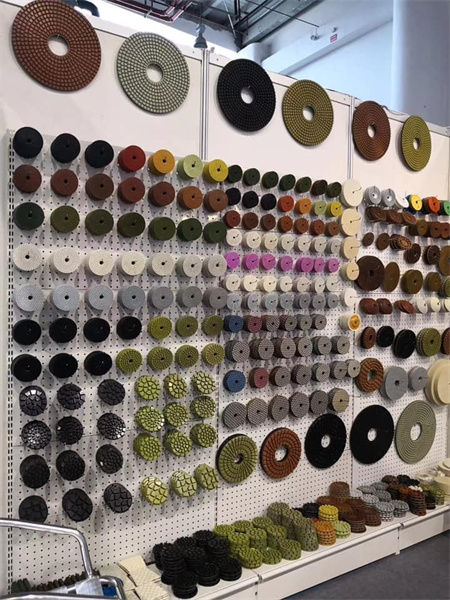
Another significant development is the customization of diamond polishing pads to suit specific applications. For example, in the stone industry, polishing pads now come in different grades and grit sizes, allowing for more targeted and efficient processing of various materials. Whether it’s marble, granite, or quartz, the pads are designed to optimize polishing for each type of stone. In semiconductor manufacturing, the need for extreme precision has led to the development of ultra-fine polishing pads that are capable of delivering a mirror-like finish on wafer surfaces. This level of customization is a game changer, as it allows for maximum efficiency and precision across a wide range of industries.
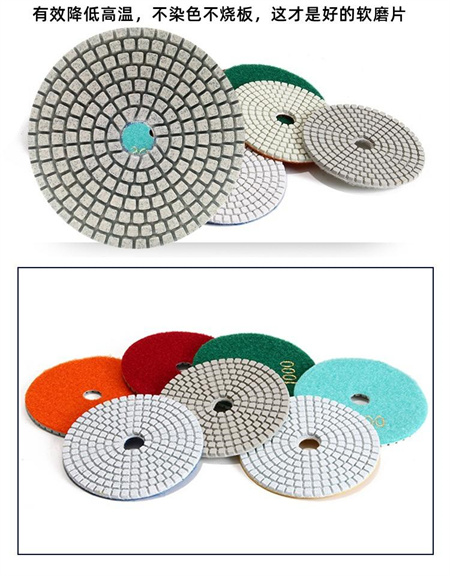
In addition to performance improvements, advancements in eco-friendly materials and processes are also becoming a key focus. The environmental impact of industrial processes is an increasing concern, and manufacturers are responding by developing polishing pads that use less harmful chemicals and materials. For example, there is a growing trend toward water-based polishing systems, which are not only more sustainable but also safer for workers. These water-based systems are designed to provide the same high-quality results as traditional oil-based options, while significantly reducing the environmental footprint of the polishing process.
Latest Innovations in Diamond Polishing Pad Technology
The evolution of diamond polishing pads has also led to improvements in user-friendliness. Many of the latest pads are designed to be more flexible and easy to use, allowing for better control during the polishing process. New ergonomically designed pads, for instance, provide better grip and reduce operator fatigue, making long hours of polishing less strenuous. In addition, the advent of quicker change-out systems, which allow users to replace pads more easily, has led to increased productivity and less downtime, further improving the overall efficiency of the polishing operation.
What makes these innovations even more significant is their impact on cost-effectiveness. Despite the advanced technologies, the latest diamond polishing pads are becoming more affordable. Manufacturers are finding ways to reduce production costs through better manufacturing techniques, materials optimization, and streamlined processes. As a result, the benefits of these cutting-edge pads are now accessible to a wider range of industries, allowing even smaller businesses to leverage high-performance polishing tools.
Looking ahead, the future of diamond polishing pads seems poised for even more breakthroughs. With the ongoing development of smarter materials and automated polishing systems, it’s likely that we will see even greater improvements in polishing precision, speed, and sustainability. As industries continue to demand higher quality and efficiency, diamond polishing pad technology will undoubtedly continue to evolve, pushing the boundaries of what is possible in surface finishing.
In summary, the latest innovations in diamond polishing pad technology are a testament to the relentless pursuit of excellence in surface finishing. From hybrid bond systems to eco-friendly solutions, these advancements are shaping the future of polishing across a variety of industries. As these technologies continue to evolve, manufacturers can expect not only superior performance but also greater sustainability, efficiency, and cost-effectiveness in their polishing processes. The future of diamond polishing pads is bright, and the possibilities are limitless.
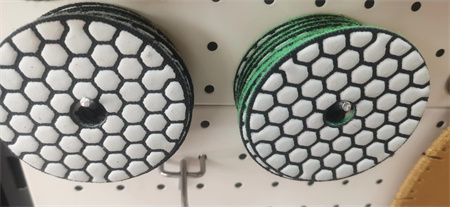
Latest Innovations in Diamond Polishing Pad Technology

Categories
Uncategorized

Diamond Pad Preferences in South American Stone Industries

Diamond Pad Preferences in South American Stone Industries

Diamond Pad Preferences in South American Stone Industries
The stone industry in South America is a dynamic sector that plays a crucial role in the global supply of materials for construction, interior design, and decorative applications. As the demand for high-quality stone products continues to rise, manufacturers and stone processors in this region are constantly seeking ways to improve their production methods. One of the key tools in the stone processing industry is the diamond polishing pad—a vital component that plays a significant role in enhancing the quality and efficiency of stone finishing. However, the preferences for diamond pads in South American stone industries are unique, shaped by local needs, market demands, and the types of stones being processed.
Stone processing in South America is often characterized by a diverse array of materials, ranging from granite and marble to quartzite and soapstone. Each stone type presents its own set of challenges, which is why the choice of polishing pad can make or break the final product. Diamond pads, prized for their durability and ability to deliver a high-gloss finish, are the tool of choice for many stone fabricators in the region.
One of the standout features of diamond pads in South America is the wide variety available. From soft to hard stones, fabricators choose specific types of diamond pads to achieve the best results. For instance, granite, a staple in the South American stone industry, demands pads with a higher diamond concentration and a coarser grit. This ensures the pad can withstand the intense abrasiveness of the stone while still delivering a smooth, glossy finish. On the other hand, materials like marble or soapstone require pads with a more balanced mix of diamonds and resin, providing a gentler touch that still ensures a high-quality finish.
Diamond Pad Preferences in South American Stone Industries
The preferences in pad type are not only determined by the hardness of the stone but also by the processing method. South American stone industries tend to favor both wet and dry polishing methods, with some regions showing a clear preference for wet polishing, especially in the case of high-end stone processing. Wet polishing helps to reduce heat generation, which is crucial for maintaining the integrity of softer stones like marble, which can be sensitive to excessive heat. Moreover, wet polishing helps to keep dust levels down—an important consideration in areas where health and safety regulations are strict.
In contrast, regions with a preference for dry polishing often lean toward diamond pads that are designed specifically for such methods. These pads are typically designed with higher diamond grit to facilitate quick, effective polishing without the need for water. While dry polishing can be more convenient for certain projects, especially in outdoor environments or when dealing with smaller pieces of stone, it often requires more frequent pad replacements due to the increased friction and heat.
The evolving demands of the South American stone industry also mean that pad manufacturers have had to adapt. In recent years, there has been an increasing demand for pads that combine high performance with environmental considerations. Many South American stone fabricators are looking for diamond pads that are both cost-effective and capable of minimizing environmental impact. This has led to the rise of more eco-friendly options, such as pads made with sustainable materials or those designed to minimize the production of harmful dust during the polishing process.
One of the primary concerns for stone fabricators in South America is the cost-effectiveness of diamond pads. Although higher-end pads with superior quality are preferred for premium stones, cost remains a major factor for many businesses, especially smaller or medium-sized operations. In such cases, manufacturers often opt for pads that strike a balance between price and performance. Brands that offer versatile pads that can handle a variety of stones without compromising on results tend to be in high demand. This versatility is particularly valued in a region where a wide range of stones is processed, and businesses must adapt to different projects and client requirements.
Furthermore, the ease of use and longevity of diamond pads are key considerations. South American fabricators are increasingly seeking pads that are not only durable but also easy to use, requiring less frequent maintenance. The resilience of a pad can have a direct impact on production efficiency, reducing downtime and enhancing overall profitability. Longer-lasting pads, which can maintain their performance over extended periods of use, provide significant value, particularly for companies working with large volumes of stone.
Finally, the support and availability of diamond pads are essential in South America. The region’s vast geographical size means that access to specialized tools and supplies can sometimes be challenging. Therefore, having reliable distributors and manufacturers that can deliver high-quality pads promptly is crucial. The availability of pads with the necessary specifications for different stones, as well as the ability to offer technical support, ensures that stone fabricators can continue their work without unnecessary delays.
Diamond Pad Preferences in South American Stone Industries
The preferences for diamond pads in South American stone industries reflect the unique challenges and demands of this diverse and rapidly evolving market. By understanding the region’s needs—whether it’s optimizing performance for granite, minimizing heat during marble polishing, or balancing cost with quality—manufacturers and fabricators can ensure they are equipped with the right tools for success. As the stone industry in South America continues to grow, the choice of polishing pads will remain a key factor in determining the quality and efficiency of production processes, shaping the future of the region’s stone industry.

Categories
Uncategorized

Durability Testing of Diamond Polishing Pads

Durability Testing of Diamond Polishing Pads
When it comes to achieving a flawless finish on surfaces like stone, glass, or concrete, diamond polishing pads are often the tool of choice. Known for their exceptional ability to smooth and refine tough materials, these pads have become indispensable in industries ranging from construction to automotive. However, their effectiveness isn’t just about the sharpness or quality of the diamond particles embedded in them. The real value lies in their durability. Understanding how well a diamond polishing pad holds up over time can drastically affect both the quality of the work and the costs involved. That’s where durability testing comes in—a critical process that ensures these pads can endure the rigorous demands of polishing without losing their performance.

Durability Testing of Diamond Polishing Pads
Durability testing is an essential aspect of evaluating diamond polishing pads. It simulates the harsh conditions under which the pads are expected to perform, providing insight into their longevity and wear resistance. Given the variety of surfaces and materials these pads are used on, the test conditions need to mimic real-world scenarios as closely as possible. Factors like pressure, temperature, and the type of material being polished all play a part in determining how long the pads will last before showing signs of wear.
To start, testing typically involves a series of controlled polishing cycles, where the pads are put through rigorous abrasion. The most straightforward method is to run the pad against a rough surface under a set pressure, measuring how much material is removed over time. The test continues until a noticeable degradation in performance occurs—whether that’s a decrease in polishing ability, the loss of diamond particles, or the overall breakdown of the pad’s structure. Observing how long the pad maintains its efficiency in these challenging conditions gives manufacturers, as well as end-users, a reliable sense of its potential lifespan.
A critical factor in these tests is the evaluation of how the pad responds to heat. Polishing generates friction, which leads to temperature spikes, especially when working on dense materials like granite or concrete. Too much heat can cause the bond between the diamonds and the pad to weaken, which can quickly reduce its effectiveness. Durability tests that monitor heat resistance are invaluable for understanding whether the pad can maintain its integrity and continue to perform optimally despite these intense conditions.
Durability Testing of Diamond Polishing Pads
Another key aspect of durability testing is the assessment of wear patterns. Since diamond polishing pads are designed to wear down gradually as they polish, it’s important to track how evenly the wear occurs across the surface of the pad. Uneven wear can result in a less effective finish, and in some cases, can even cause damage to the workpiece being polished. Testing for consistent wear ensures that the pad is capable of providing a uniform finish across a variety of surfaces, and that its performance won’t degrade unexpectedly due to structural imbalances.
One of the most significant factors in the overall durability of diamond polishing pads is the quality of the diamonds used in the manufacturing process. Diamonds are graded by several factors, including size, clarity, and crystal structure. Higher-quality diamonds are more resistant to breaking down under the stresses of polishing, which means they last longer and provide a finer finish. Durability testing often includes evaluating the quality of the diamond particles embedded in the pad, checking to see how well they hold up over time, and whether they continue to cut efficiently without dislodging too easily.
The type of bonding material used to hold the diamonds in place also plays a crucial role in the pad’s longevity. A poorly chosen binder can cause the diamonds to detach prematurely, significantly shortening the pad’s usable life. As such, durability testing also looks at the bonding materials to ensure they are strong enough to withstand the forces exerted during polishing while maintaining flexibility and resilience.
In real-world applications, the cost of replacing diamond polishing pads frequently can add up quickly, making it essential for professionals to choose pads that provide both quality and longevity. Durability testing helps to eliminate guesswork from this process, offering concrete data that allows users to select the best pads for their specific needs. Manufacturers, in turn, can refine their products to ensure they meet the highest standards of performance and reliability.
At the end of the day, durability testing is more than just a routine check. It’s a fundamental part of the process that ensures diamond polishing pads live up to their promise of offering exceptional performance over time. With the right testing protocols in place, both manufacturers and end-users can be confident that their investment in diamond polishing pads will result in smoother finishes, greater efficiency, and fewer replacements in the long run.
The role of durability testing in the world of diamond polishing pads cannot be overstated. It’s the key to understanding how these pads will perform in the real world, where consistency, quality, and longevity are non-negotiable.
Durability Testing of Diamond Polishing Pads

Categories
Uncategorized

The Impact of Grit Variation in Professional Stone Polishing

The Impact of Grit Variation in Professional Stone Polishing
Stone polishing is an art, one that requires both precision and patience. Whether it’s for a gleaming marble countertop or a beautifully polished granite floor, the key to achieving that perfect finish lies in the skillful use of abrasives. Among the many variables that can influence the final result, grit variation plays a pivotal role. From rough surface to smooth, lustrous shine, understanding how different grits affect the polishing process can make all the difference in achieving professional-quality results.
At the heart of stone polishing lies a range of abrasive materials, each with a specific grit size. Grit refers to the coarseness or fineness of the abrasive particles, and it plays a critical role in determining both the texture and finish of the stone. The most commonly used grits are measured on a scale, with lower numbers indicating rougher, more aggressive abrasives and higher numbers representing finer, smoother abrasives.
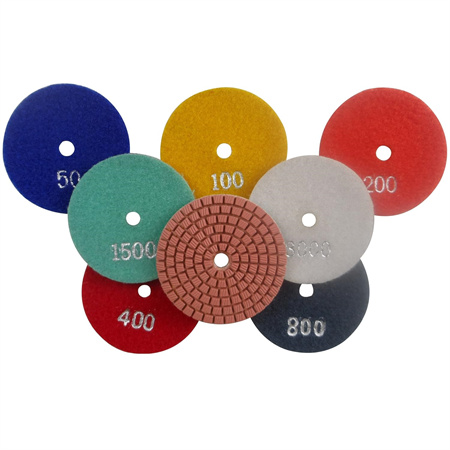
When starting with rough stone, the initial grinding phase requires the use of a low-grit abrasive, typically between 30 and 50. These grits are designed to remove large imperfections, scratches, and stains from the surface of the stone. At this stage, the primary goal is not to achieve a glossy finish but to level the surface and eliminate any visible flaws. This is a critical phase, as the success of the next polishing steps depends on how well the surface has been prepared.
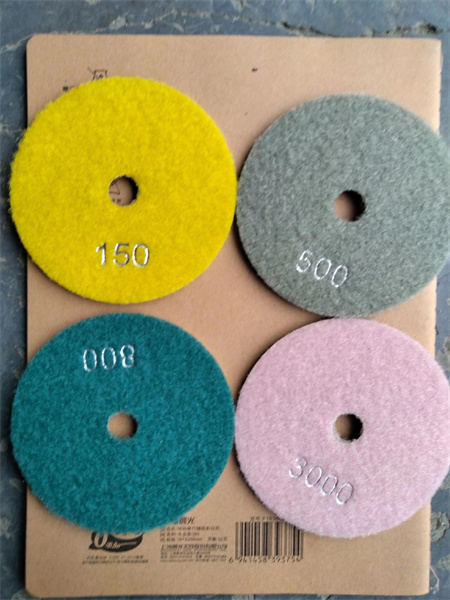
As the process progresses, polishing professionals will gradually move to higher grit abrasives, often shifting to medium grit sizes, such as 100 to 400. This mid-range grit helps to refine the stone surface by smoothing out the deeper scratches left by the coarser abrasives. It’s during this phase that the stone begins to take shape—small imperfections are removed, and the stone’s natural colors start to emerge more clearly. But despite the improvements in texture, the stone is still far from its final polished state.
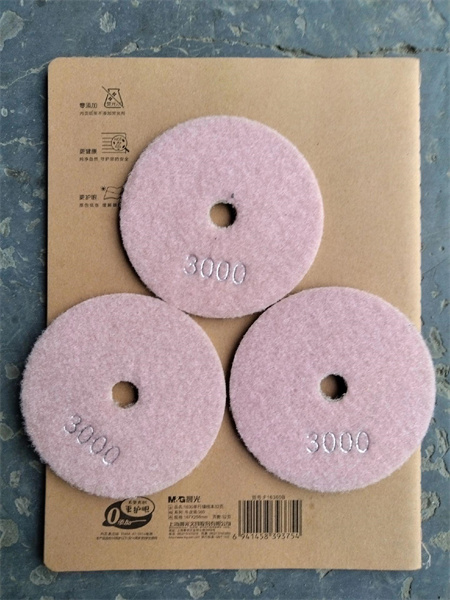
The true magic happens when higher grit sizes—800, 1500, or even 3000—are used. These finer abrasives are responsible for creating the smooth, glossy finish that is synonymous with professional stone polishing. The finer the grit, the less abrasive the particles, which allows for a gradual buildup of luster without damaging the surface. At this stage, the surface becomes almost mirror-like, with light reflecting off the stone in a uniform, dazzling way. These fine grits don’t just remove surface-level imperfections—they also smooth out microscopic flaws, leading to a highly refined and durable finish.
However, the impact of grit variation isn’t purely aesthetic. It also has practical implications, particularly in terms of longevity and maintenance. A stone surface polished with finer grits tends to be more resistant to staining, scratching, and other forms of damage. The smoother the surface, the harder it is for dirt, oils, or liquids to penetrate the stone, making it easier to clean and maintain in the long run. Moreover, a well-polished stone is less prone to the buildup of grime and debris, which can dull its appearance over time.
That said, the application of grit must be carefully controlled. Too aggressive an approach with a coarse grit can damage the stone, creating deep grooves or leaving the surface uneven. Conversely, using too fine a grit early on can lengthen the polishing process unnecessarily, as it will take more time to remove imperfections and prepare the surface adequately for the finer grits that follow. Balancing the use of different grits, and knowing when to transition between them, is an essential skill for any professional stone polisher.

The Impact of Grit Variation in Professional Stone Polishing
In addition to the practical considerations, grit variation also allows for customization. Different stones—whether marble, granite, limestone, or quartz—each have unique characteristics, such as hardness, texture, and porosity. Polishing professionals can adjust the grit sequence to accommodate these characteristics, ensuring the most effective and efficient process. For example, harder stones like granite might require a more aggressive approach with coarser abrasives in the early stages, while softer stones such as marble may require more gradual polishing to avoid overworking the material.
The Impact of Grit Variation in Professional Stone Polishing
In conclusion, grit variation is an essential aspect of professional stone polishing. The right combination of abrasive sizes can turn a rough, lackluster stone surface into a masterpiece, with both functional and aesthetic benefits. The careful balance of grit selection and the methodical progression from coarse to fine abrasives help to achieve not only a flawless finish but also a durable, low-maintenance surface that stands the test of time. For professionals in the field, understanding and mastering this process is the key to delivering high-quality results that will leave clients amazed and satisfied.

The Impact of Grit Variation in Professional Stone Polishing

Categories
Uncategorized

The Role of Pad Flexibility in Polishing Irregular Surfaces

The Role of Pad Flexibility in Polishing Irregular Surfaces
When it comes to achieving the perfect finish on surfaces that are anything but flat, the role of pad flexibility cannot be overstated. Whether in industrial applications, automotive detailing, or even electronic device polishing, dealing with irregular surfaces presents a unique set of challenges. But it is precisely in these challenges where the magic of pad flexibility comes into play, making all the difference between a smooth, even finish and a product that requires constant rework.
At first glance, polishing might seem like a straightforward task – a matter of applying pressure, spinning a pad, and getting a glossy result. But for surfaces with bumps, curves, grooves, or other irregularities, the process becomes much more complex. Traditional, rigid pads might leave certain areas untouched or, worse, create uneven textures, resulting in a lackluster or flawed finish. That’s where the flexibility of the pad comes in.
Flexible pads are designed to adapt to the contours and variations of a surface. When polishing an irregular surface, these pads bend, stretch, and conform, ensuring that every inch of the surface is polished uniformly. This adaptability not only results in a smoother finish but also reduces the risk of damaging the material underneath. The key is how the pad’s flexibility allows it to follow the minute undulations of the surface, ensuring even pressure distribution and consistent contact.

The Role of Pad Flexibility in Polishing Irregular Surfaces
This adaptive nature of flexible pads makes them particularly crucial when dealing with materials that have highly textured or intricate shapes, such as machined metal parts, composite materials, or delicate electronics. For example, polishing a curved, detailed automotive body part requires a pad that bends and contours along the curves without causing gouges or uneven polishing marks. In the case of sensitive devices, such as smartphones or screens, applying the right amount of pressure with the right flexibility ensures that the polish is even, avoiding the risk of cracks or other surface damage.
One of the most significant benefits of using flexible pads is their ability to maintain consistent contact with the surface. Unlike rigid pads that can leave certain areas untouched if there are dips or edges, flexible pads can adjust to all these features, ensuring that every part of the surface gets the right treatment. This not only helps in polishing but also in preparing the surface for additional treatments like coating or painting. It ensures that the base layer is uniform, free of scratches, and ready for further processes.
Moreover, flexible pads can reduce the wear and tear on both the surface and the tool used for polishing. Rigid pads often require a bit more force to maintain contact with irregular surfaces, which can lead to over-polishing in some spots and under-polishing in others. A flexible pad, by contrast, requires less force while ensuring more comprehensive coverage. This can extend the life of both the pad itself and the surface being worked on, making the entire polishing process more efficient and cost-effective in the long run.
The technology behind flexible pads has evolved significantly over the years. Modern flexible polishing pads are often made from advanced materials like foam or microfiber that offer a high degree of compliance without sacrificing durability. Some pads even feature a unique layer design that combines firmness with flexibility, allowing them to work on a wide range of surfaces with varying degrees of texture and curvature.
In high-precision industries, the flexibility of the pad also plays a vital role in minimizing defects and imperfections. For example, in the semiconductor industry, where the smoothness of surfaces is critical, flexible pads help in producing ultra-flat, damage-free surfaces necessary for sensitive components. This ability to polish in a controlled, even manner helps prevent issues like micro-scratches or uneven thickness, both of which could have significant implications for the functionality of the final product.
The Role of Pad Flexibility in Polishing Irregular Surfaces
Of course, not all surfaces require the same level of flexibility. While flexible pads are great for irregular or curved surfaces, more rigid pads might be the best choice for flat, even surfaces where high-pressure application is needed. The key is knowing when to choose the right tool for the job.
In conclusion, pad flexibility is a crucial factor when polishing irregular surfaces. It ensures consistent coverage, reduces the risk of damage, and enhances the overall quality of the finish. Whether in industrial manufacturing, automotive polishing, or even electronics, understanding the role of flexibility in polishing pads can lead to better results, longer-lasting products, and more efficient operations. The next time you tackle a challenging surface, remember: it’s not just about the right technique, but also about the right pad.

The Role of Pad Flexibility in Polishing Irregular Surfaces

Categories
Uncategorized

Polishing Bluestone with Diamond Pads

Polishing Bluestone with Diamond Pads

Polishing Bluestone with Diamond Pads
Bluestone, with its deep hues and natural texture, has been a favorite choice for flooring, patios, and even countertops for centuries. Its durable surface, combined with an attractive, rustic look, makes it a versatile material for both indoor and outdoor applications. However, like any stone, it can become worn over time, losing its original luster. This is where the process of polishing comes into play, and using diamond pads is one of the most effective methods to restore the stone’s beauty.
Polishing bluestone with diamond pads is a process that requires a bit of technique but delivers spectacular results. The diamond pads are designed to gently grind down the surface of the stone, smoothing out any imperfections while bringing out its natural color and texture. The key to achieving a flawless finish lies in choosing the right tools and following the proper steps.
First, you need to make sure the surface is clean. Dirt, dust, and debris can get in the way of the polishing process, so it’s important to scrub the bluestone thoroughly before beginning. Use a mild detergent or stone cleaner along with a soft brush or mop to clear away any contaminants. If there’s any heavy staining, make sure to address that with an appropriate cleaner that’s safe for bluestone. Afterward, rinse the surface with water and allow it to dry completely.
Once your stone is prepped, you can begin the polishing process. Diamond pads come in various grit levels, from coarse to fine. The coarse pads are ideal for the initial stages of polishing, as they help to remove rough spots and any visible imperfections. Start with a low grit, like a 50 or 100 grit diamond pad, and attach it to your polisher. Begin slowly, applying gentle pressure as you move in a circular or back-and-forth motion. Work your way over the entire surface to ensure an even and consistent treatment.
At this point, you’ll notice the surface starting to smooth out, but it won’t be the glossy finish you’re aiming for just yet. That comes in the next stage. Once the initial roughness is gone, it’s time to switch to finer grit pads, such as 200, 400, or even higher, depending on the desired finish. These finer pads work to refine the stone surface, bringing out the richness and depth of the natural bluestone color.
The key to polishing with diamond pads is patience. Unlike traditional polishing methods, which might involve waxes or chemical treatments, diamond pads are all about physically smoothing the stone. This method may take more time, but the results are worth it. A well-polished surface will reflect light beautifully, giving the stone a rich, gleaming finish that’s both durable and stunning.
As you move to the final stages of polishing, keep in mind that the moisture content of the stone plays a role in the outcome. If your bluestone is too wet, it can result in a blotchy finish. On the other hand, if it’s too dry, it can be difficult to get the pad to work effectively. A lightly dampened surface is ideal for achieving a flawless shine.
Once you’ve reached the desired level of polish, don’t forget to clean the surface again. Any leftover dust from the diamond pads can dull the finish, so it’s important to wipe the stone down thoroughly with a clean, damp cloth. For added protection, some people apply a stone sealer to their polished bluestone, although this is optional. The sealer can help preserve the finish, prevent stains, and make maintenance easier in the future.
The beauty of bluestone, especially when polished to a high sheen, is truly unmatched. Whether used in outdoor pathways, driveways, or as indoor flooring, a freshly polished bluestone surface brings elegance and charm to any space. The natural texture, combined with a smooth, glossy finish, creates a stunning contrast that enhances the aesthetic appeal of any environment.
Polishing Bluestone with Diamond Pads
Beyond its looks, the polished surface of bluestone also has practical benefits. Polishing can reduce the stone’s porosity, making it more resistant to moisture and stains. It also creates a smoother surface that’s easier to clean and maintain. Dirt and debris are less likely to adhere to a polished surface, meaning your bluestone will look great for longer with minimal effort.
Polishing Bluestone with Diamond Pads
In conclusion, polishing bluestone with diamond pads is an investment in both the appearance and longevity of the stone. While the process requires patience and the right equipment, the end result is a high-gloss, durable surface that enhances the natural beauty of the stone. Whether you’re looking to restore an old patio or add a refined touch to a new installation, diamond pads are the perfect tool for the job. With the proper care, your bluestone will continue to shine for years to come.

Categories
Uncategorized

Sourcing High-Quality Diamond Pads for Retail Stores

Sourcing High-Quality Diamond Pads for Retail Stores
In today’s competitive retail market, the demand for high-quality products is higher than ever. For stores that specialize in tools, accessories, or even beauty products, offering high-performance items is a key to standing out. Among the various products retailers need to consider, diamond pads have gained significant popularity due to their durability, versatility, and premium finish. Whether you’re catering to jewelers, beauty professionals, or contractors, sourcing top-quality diamond pads can dramatically improve your inventory’s appeal and your customers’ satisfaction. But how do you ensure you’re getting the best products for your store?
The first thing to understand is what makes diamond pads such a sought-after item. Diamond pads are used for polishing and finishing a variety of surfaces, from metal and stone to concrete and glass. The unique hardness of diamonds allows these pads to work more effectively than traditional polishing tools, providing smoother, more precise results. For jewelers, they are indispensable for polishing gemstones to perfection. For contractors or stone fabricators, diamond pads help achieve a glossy finish on countertops and floors. The versatility of these pads means they cater to a wide range of industries, which makes them a valuable addition to any retail store.
When sourcing diamond pads, it’s crucial to focus on quality. The quality of the diamond used, the construction of the pad itself, and the manufacturing process are all factors that influence performance. A cheap, poorly made pad might save you money upfront, but it will end up disappointing your customers and damaging your reputation in the long run. A high-quality diamond pad, on the other hand, will ensure optimal performance and longer lifespan, keeping your customers coming back for more.
One of the first things to look for in a high-quality diamond pad is the grade of the diamond. Diamonds are graded based on their hardness, size, and clarity, which directly affect how well the pad performs. Pads made with high-quality diamonds tend to be more efficient and durable, meaning they can be used for more extensive applications and last longer. Always look for suppliers who can provide clear information about the type and quality of diamonds used in their products. This transparency ensures that you are offering your customers products that live up to their high expectations.
Another critical factor in sourcing high-quality diamond pads is the material of the backing. The backing should be strong and flexible enough to withstand prolonged use without deteriorating or losing its shape. Rubber or resin-backed pads are common because they offer a balance of flexibility and durability, allowing them to conform to different surfaces while maintaining their effectiveness over time. Additionally, you want to ensure the pad’s grit levels are consistent across its surface, as this will affect the quality of the polish or finish it delivers.
Durability is key when choosing diamond pads, and this is where knowing the manufacturer’s reputation comes into play. Look for trusted brands or suppliers who specialize in diamond abrasives. Well-established manufacturers often invest in high-quality materials and have strict quality control processes in place. They are also more likely to offer warranties or guarantees on their products, giving you peace of mind in case a pad doesn’t perform as expected.

Sourcing High-Quality Diamond Pads for Retail Stores
Price is always a consideration when sourcing products for retail. However, it’s important not to let price be the only factor guiding your decision. While low-priced diamond pads might seem like a good deal, they often come with trade-offs in quality and performance. Think about your long-term strategy—what will provide the best value for your customers and your business? Higher-quality pads may have a higher initial cost, but their performance and longevity can make them more cost-effective in the long run.
Sourcing High-Quality Diamond Pads for Retail Stores
Another point to consider when sourcing diamond pads is availability. Ensure that your supplier can provide consistent delivery, especially if you plan to stock a variety of sizes and grits. Retailers who can offer a steady supply of these high-demand products often build stronger relationships with their customers. It’s also wise to establish a good working relationship with your supplier, as this can lead to better pricing, faster shipping times, and access to exclusive products.
Finally, always keep customer feedback in mind when sourcing your diamond pads. Pay attention to reviews and recommendations from professionals in relevant industries. Feedback from jewelers, contractors, or even DIY enthusiasts who use the pads regularly can give you valuable insights into the best brands and types of pads for your specific retail market. Customer satisfaction is paramount, and by offering products that meet their needs, you’ll not only improve your sales but also create lasting relationships with your clientele.
In conclusion, sourcing high-quality diamond pads for retail stores involves much more than just finding the lowest price. Focus on quality, durability, and reliability to ensure you’re providing products that will perform well and last long. By partnering with reputable suppliers, being transparent about the products you sell, and taking customer feedback into account, you can create a retail environment where both you and your customers thrive. When you get it right, diamond pads can be a key product that drives success in your store.
Sourcing High-Quality Diamond Pads for Retail Stores

Categories
Uncategorized

How We Compare to Global Competitors in Diamond Pad Quality

How We Compare to Global Competitors in Diamond Pad Quality
When it comes to diamond polishing pads, quality is everything. These tools are not just essential for achieving the perfect finish; they play a critical role in the longevity and effectiveness of various surfaces. So, how do we stand up against global competitors in the highly competitive world of diamond pad production?
At the heart of our approach lies a commitment to excellence. We understand that the quality of diamond pads doesn’t just depend on the raw materials but also on the technology and precision that goes into manufacturing them. Our pads are built to last longer, perform better, and meet the most demanding standards in industries ranging from stone and concrete polishing to glass and metal finishing.
Let’s take a closer look at how we measure up against the competition on the global stage.
Superior Material Quality
One of the key factors that set our diamond pads apart is the quality of the diamonds themselves. Unlike many global competitors who may opt for lower-grade diamonds to cut costs, we use only the finest, industrial-grade diamonds that ensure a more consistent finish and longer-lasting performance. The diamond quality is essential not only for effective polishing but also for avoiding premature wear and tear, which can be a common problem in pads made with inferior materials.
This attention to detail allows our pads to outperform others in terms of cutting speed and durability, even in tough conditions. Whether you’re working with granite, marble, or concrete, you can count on our pads to deliver superior results that you might not always get from other manufacturers.
Innovative Bonding Technology
The bonding of diamonds to the pad matrix is another area where we excel. Many competitors still rely on older, less effective bonding methods, which can result in uneven wear patterns and reduced performance over time. Our proprietary bonding technology ensures that the diamonds stay firmly in place, providing a consistent polishing action and preventing premature loss of material. This innovation leads to a smoother and more efficient polishing experience, even when used on high-stress jobs.
Our bonding process also takes into account the specific material and application the pads will be used for. Unlike some global brands that offer a one-size-fits-all solution, we customize our pads to meet the unique needs of various industries. This allows our customers to achieve the best possible results, no matter the challenge at hand.
Precision Manufacturing
Precision is at the core of our manufacturing process. We use state-of-the-art equipment to ensure each diamond pad is crafted to the highest standards. This means no more uneven edges, subpar finishes, or inconsistencies that can slow down your work and increase costs. While many competitors cut corners in the production process, we take the time to ensure that each pad is rigorously tested for quality and performance before it leaves our facility.
This level of precision doesn’t just make our pads better; it makes them more reliable. Consistency is crucial when it comes to diamond pads, and our commitment to accuracy means you can trust our products to deliver the same exceptional results every time.
Tailored Solutions for Every Need
One of the challenges with global competitors is their tendency to mass-produce products that may not always meet the specific needs of different markets. While some brands might offer a wide range of pads, they often lack the customizability or expertise to cater to particular requirements. We pride ourselves on offering tailored solutions that are designed to meet the exact specifications of each client.

How We Compare to Global Competitors in Diamond Pad Quality
Whether you need a pad that can handle aggressive grinding or one that’s ideal for a delicate polishing job, we work closely with our customers to provide the right tools for the task. Our team of experts is always ready to offer advice and recommendations based on years of experience in the field, ensuring that you get the best product for your specific job.
Customer Service and Support
While our product quality speaks for itself, we also believe that great customer service is a key differentiator. Many global competitors may provide a great product, but when it comes to after-sales support, they fall short. We make it a point to be available to our customers whenever they need assistance—whether it’s troubleshooting, offering advice on the best pad for a particular project, or providing timely replacements.
How We Compare to Global Competitors in Diamond Pad Quality
This level of customer care has allowed us to build long-term relationships with clients across the globe. We’re not just another supplier; we’re a partner that’s invested in your success.
Sustainability and Ethical Practices
How We Compare to Global Competitors in Diamond Pad Quality
Lastly, as sustainability becomes more critical in the global market, we are proud to say that our production processes are as eco-friendly as possible. While some of our competitors may overlook environmental concerns in favor of cutting costs, we strive to reduce our environmental footprint. Our commitment to sustainability extends from sourcing raw materials responsibly to reducing waste during the manufacturing process.
By choosing us, you’re not just opting for top-tier diamond pads; you’re also supporting a brand that’s conscious of its impact on the environment and dedicated to ethical business practices.
Final Thoughts
When you compare our diamond pads to those offered by global competitors, it’s clear that we go above and beyond in every aspect of design, production, and customer care. From superior materials and innovative bonding techniques to precise manufacturing and tailored solutions, we deliver products that stand out in terms of performance and reliability.
In the competitive world of diamond pads, we’re not just another brand—we’re the brand that ensures quality, consistency, and customer satisfaction every step of the way.

Categories
Uncategorized

What to Expect During the Diamond Pad Shipping Process

What to Expect During the Diamond Pad Shipping Process
When you make the decision to invest in a diamond pad, whether it’s for your own use or as part of a larger jewelry or manufacturing project, one key factor you’ll want to understand is the shipping process. After all, these items are not only precious, but also quite sensitive. Here’s what you can expect as your diamond pad makes its journey from warehouse to your doorstep, ensuring that everything arrives safely, securely, and ready for use.

What to Expect During the Diamond Pad Shipping Process
One of the first things that will happen after you place your order is the preparation phase. The company handling your diamond pad will carefully package it to prevent any potential damage during transit. Diamond pads are typically delicate items, often used in polishing or precision cutting, so the packaging must be robust. Expect to see your pad wrapped in protective materials, such as bubble wrap or foam, and placed in a sturdy box that’s been designed specifically to keep it secure throughout the journey.
What to Expect During the Diamond Pad Shipping Process
Once the package is ready, it’s time to ship. Depending on where you’re located and the company’s location, the shipping method can vary. Many businesses offer multiple shipping options, ranging from standard to expedited, allowing you to choose the option that best suits your needs. If you’ve selected express shipping, your diamond pad may be shipped via air freight, speeding up the process significantly. On the other hand, if you’ve opted for standard shipping, your package may travel by land or sea, which can take a bit longer.
While your diamond pad is on its way, you’ll likely receive tracking updates. These updates can be invaluable in giving you peace of mind. Most companies send you an email or a text with a tracking number, which you can use to monitor the progress of your shipment in real time. If you’re fortunate enough to live in a region with excellent shipping infrastructure, expect your package to move through the system fairly quickly. However, if you’re in a more remote location, or if there are any weather-related delays, you might experience longer transit times.
Customs processes can be another point to consider during the shipping process, especially if your diamond pad is coming from overseas. Depending on the country of origin, customs clearance can sometimes take a few extra days, and it may involve additional paperwork or fees. However, reputable companies usually take care of all the customs duties on their end, so you won’t have to worry about unexpected costs. In some cases, your package may be held at a customs facility for inspection, adding an extra layer of time before it gets to you.
When your diamond pad finally arrives, you’ll want to inspect the package carefully before signing for it. Although the packaging is designed to protect the pad, accidents can happen during transit. If you notice any visible signs of damage—such as dents in the box or a tear in the wrapping—it’s important to document the issue immediately. Take photos of the package before opening it, and if the pad itself is damaged, contact the company as soon as possible. Most companies offer excellent customer service and will work with you to resolve the issue quickly, whether it involves a return, replacement, or refund.
What to Expect During the Diamond Pad Shipping Process
Once you’ve opened the package and confirmed that everything is intact, you’ll be ready to put your diamond pad to work. At this point, you can expect your pad to be in the condition promised when you made your order. After all, when you purchase a diamond pad, you’re getting a high-quality tool designed for precision and longevity, and the shipping process should reflect that commitment to quality.
Throughout this entire journey, it’s crucial to keep in mind that the shipping process, while relatively straightforward, is a critical component of your overall experience with the product. From packaging to customs clearance and delivery, each step is designed with your satisfaction in mind. By understanding what to expect during the shipping process, you can be sure that your diamond pad will arrive on time and in perfect condition, ready to help you achieve the results you’re looking for.
Whether you’re a professional jeweler, a hobbyist, or someone simply seeking the best in quality materials, getting a diamond pad shipped to you is just the beginning of your journey. The product itself will help you achieve precision results in your craft, but the journey it takes to reach you plays a key role in making sure that happens smoothly and safely. So sit back, track your package, and look forward to receiving a top-tier tool that meets your highest expectations.

Categories
Uncategorized

Summer Polishing Techniques for Outdoor Installations

Summer Polishing Techniques for Outdoor Installations

Summer Polishing Techniques for Outdoor Installations
As the warm weather settles in and outdoor spaces come alive, the need for proper care and maintenance of outdoor installations becomes more apparent. Whether it’s sculptures, garden furniture, or decorative elements like fountains and stone pathways, summer is the perfect time to give these installations a little extra attention. Polishing and refreshing outdoor installations not only enhance their visual appeal but also help them withstand the elements, ensuring longevity. Here’s a guide to perfecting your summer polishing techniques to keep your outdoor spaces looking vibrant all season long.
Embrace the Power of Nature
Before reaching for cleaning supplies or polish, consider taking advantage of nature’s own cleaning tools—sunshine and a good breeze. On a bright, dry day, outdoor installations are more likely to be free of excess moisture, which is key when it comes to polishing. When the humidity is low and the temperature is comfortable, surfaces dry faster and treatments settle more evenly, ensuring the best results.
Start by giving your installations a thorough cleaning. Dust, dirt, and other outdoor grime can make any surface appear dull and worn. A soft brush or cloth should suffice for most sculptures, stone features, and furniture. For more stubborn dirt, warm water mixed with mild soap works wonders—just be sure to rinse everything off completely afterward. Allow the piece to dry before moving on to any polishing steps.
Focus on the Right Products
When it comes to polishing, one of the biggest mistakes people make is using the wrong products. It might seem tempting to grab whatever is readily available, but using a polish designed for outdoor use can save you a lot of frustration down the line. For stone or metal installations, consider using specialized outdoor furniture wax or polish. These products are formulated to withstand the UV rays and fluctuating temperatures of summer, creating a protective layer that doesn’t easily wear off.
For wooden structures or furniture, look for a natural wood polish that restores the grain and offers UV protection. There are also eco-friendly options available that are gentle on the environment while still providing a high level of care.
If you’re dealing with a particularly intricate outdoor piece, like a metal sculpture or a fountain, make sure you select a polish that doesn’t leave a greasy residue. A residue can attract dirt and grime, leaving your installation looking less polished over time. Always test a small, inconspicuous area first to make sure the product is compatible with the material.
Applying Polish with Care
Applying polish to outdoor installations is an art in itself. It’s important to work in small sections to avoid uneven application, which can leave streaks or patches. Use a clean, soft cloth or a microfiber pad to apply the polish in smooth, circular motions. This allows the product to penetrate the material and ensures an even coat without over-saturating any one area. For metal or stone features, a gentle buffing motion can help bring out the shine, but for wood, be sure to follow the grain.
Once you’ve applied the polish, let it sit for a few minutes to allow it to set. Afterward, gently buff the surface with a clean, dry cloth. This final step helps to remove any excess product while enhancing the natural shine. Be patient and work in small sections—rushing can cause the polish to dry in patches, leading to a less-than-ideal finish.
Protecting Your Installations for the Long Haul
Summer Polishing Techniques for Outdoor Installations
Polishing isn’t just about aesthetics; it’s also about protection. Summer can be harsh on outdoor installations, with UV rays, rain, and fluctuating temperatures all taking their toll. A good polish acts as a barrier, shielding your installations from the damaging effects of these elements. For metal surfaces, a layer of polish can help prevent rust, while for stone, it can help reduce the effects of weathering.
For furniture, applying a protective coating to the legs and frames can help prevent moisture from seeping in and causing damage. If your installation is exposed to heavy rain or intense sunlight, be sure to reapply your polish periodically throughout the summer. You can even schedule a quick touch-up session at the end of the season to ensure your installations are ready for the months ahead.
Seasonal Adjustments
With summer being the season for outdoor gatherings, it’s also a time when your installations might experience more foot traffic, spills, and wear. Be mindful of the increased usage and plan your maintenance accordingly. For example, if your outdoor furniture sees a lot of action, consider polishing more often, or even investing in protective covers to shield them when not in use.
Sculptures or garden ornaments may need a more detailed inspection as well. Over time, exposure to the elements may cause cracks, discoloration, or fading, which can often be mitigated with periodic care. Be on the lookout for signs of deterioration, and don’t hesitate to do a little extra work on particularly vulnerable pieces.
Wrapping Up
Summer Polishing Techniques for Outdoor Installations
Summer is the ideal time to give your outdoor installations a fresh look and ensure their durability for the months ahead. With the right cleaning techniques, careful application of outdoor polishes, and a little bit of maintenance know-how, you can keep your sculptures, furniture, and other features shining brightly all season long. The effort will not only elevate the aesthetic of your outdoor space but also help protect your investments against the harshness of summer’s heat and rain. So go ahead, roll up your sleeves, and give your outdoor installations the care they deserve—you’ll be amazed at the transformation!