Diamond Polishing Pads Price Guide for Importers
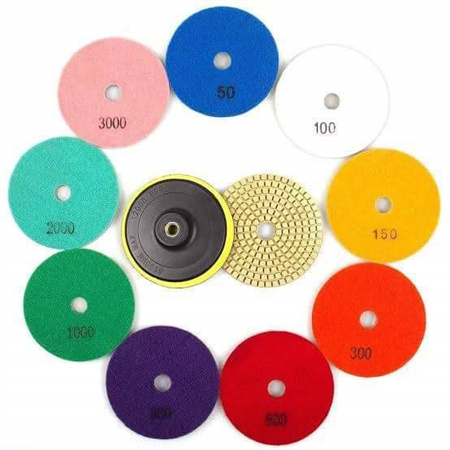
When it comes to importing diamond polishing pads, understanding the pricing structure is crucial for making informed decisions. Whether you’re a seasoned importer or just starting out, knowing what factors influence the cost of these pads can help you secure the best deal while maintaining product quality.
The price of diamond polishing pads varies widely, mainly influenced by the type of material used, the pad’s grit size, and its intended purpose. Pads made with higher-quality diamonds or specialized materials will naturally cost more. If you’re looking for pads that deliver superior performance and longer lifespan, expect to pay a premium. The grit size also plays a significant role—finer grits, which are ideal for polishing delicate surfaces like marble or granite, tend to be more expensive.
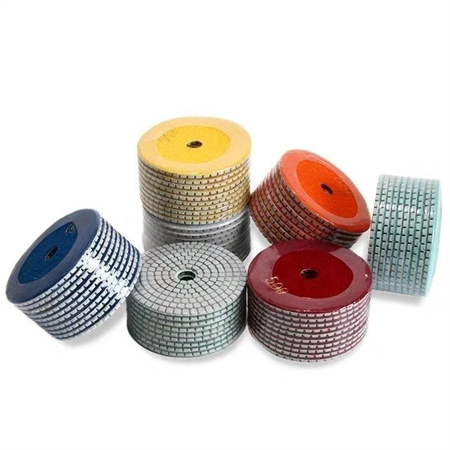
For importers, bulk purchasing can often lower the per-unit cost. Many manufacturers offer discounts based on order quantity, making it essential to strike a balance between your immediate needs and future inventory planning. Consider working with reliable suppliers who provide consistent pricing and transparent communication, so you’re never left with unexpected costs. Shipping fees also come into play. Importing from international suppliers often involves additional logistics costs, and the weight and volume of diamond polishing pads can result in significant shipping charges.
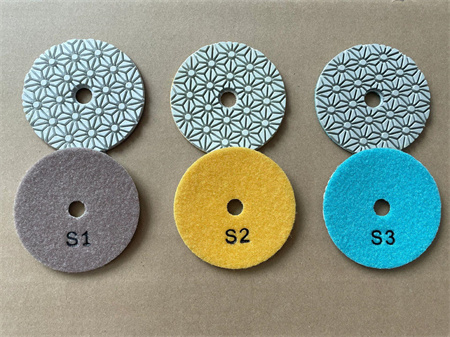
Another factor affecting pricing is the region of manufacture. China, India, and Italy are some of the largest producers of diamond polishing pads, each offering different price points depending on production methods and labor costs. While Chinese pads might offer the most competitive prices, they can vary in terms of quality, making it important to choose reputable manufacturers. On the other hand, Italian-made pads are often seen as the gold standard in terms of quality, but they come at a higher price.
Beyond the initial purchase price, consider the total cost of ownership. A high-quality pad may have a higher upfront cost but can save money in the long run due to its durability and efficiency. The lifespan of a polishing pad will influence how often you need to replace it, and pads that wear out quickly might ultimately cost more.
Finally, keep in mind that price isn’t the only factor when choosing a supplier. Customer service, warranty policies, and the availability of after-sales support are important. Working with a supplier that offers technical assistance can make a big difference, especially if you encounter issues during the polishing process.
By understanding these key pricing factors, importers can navigate the world of diamond polishing pads with confidence, securing high-quality products at the best possible price.