Diamond Polishing Pads Customs Clearance Cost for Importers
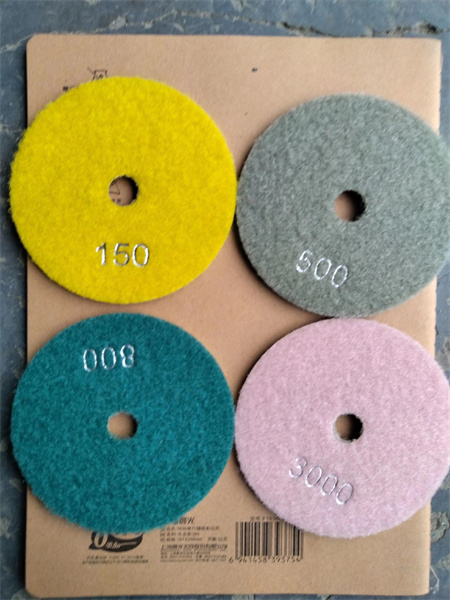
When it comes to importing diamond polishing pads, one of the key concerns for importers is the customs clearance cost. This cost can vary significantly based on several factors, including the country of origin, the value of the goods, and specific customs regulations. Understanding these factors and how they affect the overall cost is crucial for businesses that rely on these specialized tools for their operations.
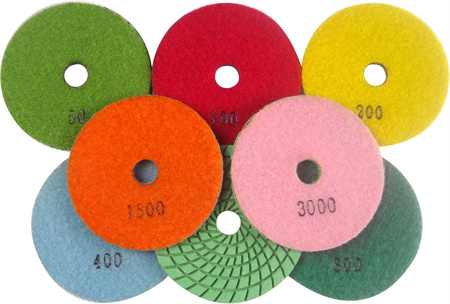
The customs clearance process involves a series of steps, from submitting the necessary documentation to paying any applicable duties or taxes. Importers must ensure that their shipments meet all regulatory requirements, which may include product certifications, proper labeling, and compliance with safety standards. Failing to comply with these regulations can result in delays, fines, or even the rejection of the shipment.
One of the most significant costs in the customs clearance process is the duty rate. Customs duties are calculated as a percentage of the goods’ value, and this percentage can vary depending on the country and the specific product category. For example, diamond polishing pads may fall under a specific tariff code, and the duty rate for that code will determine how much importers must pay.
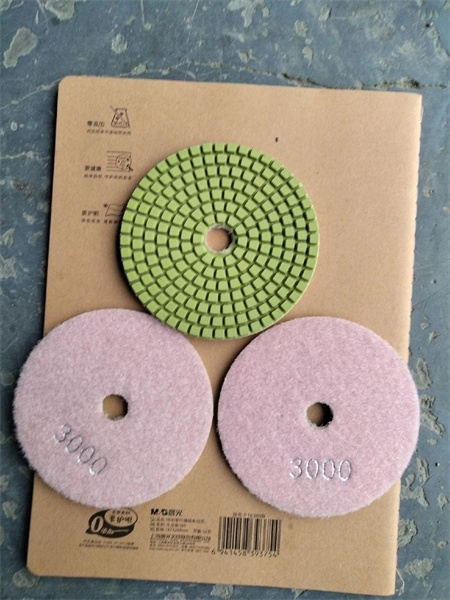
In addition to customs duties, importers may also need to account for other costs such as Value Added Tax (VAT), handling fees, and administrative costs. These additional expenses can quickly add up, making it essential for businesses to factor them into their overall cost calculations. It’s always wise to work with a customs broker or logistics provider who can help navigate these complexities and ensure that all fees are properly accounted for.
Another consideration for importers is the possibility of customs inspections. In some cases, shipments may be selected for random inspection, which can lead to additional delays and costs. While inspections are not always predictable, it’s important to factor in the potential for extra time and expense when planning shipments.
For importers looking to minimize their customs clearance costs, there are a few strategies to consider. One approach is to choose a reliable and efficient shipping method that can help reduce the risk of delays and additional fees. Another strategy is to work with a customs broker who is experienced in handling diamond polishing pads, as they can help ensure compliance with regulations and minimize the risk of costly mistakes.
In conclusion, the customs clearance cost for diamond polishing pads can vary, but understanding the key factors that influence these costs can help importers make more informed decisions. By working with the right partners and staying ahead of potential challenges, businesses can streamline the process and avoid unnecessary expenses, ultimately ensuring that their shipments arrive on time and within budget.