Diamond Polishing Pads Hardware Store Supply Chain Insights
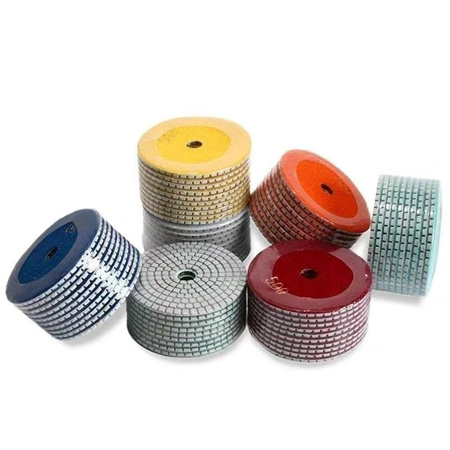
When it comes to the intricate world of diamond polishing pads, understanding the supply chain can reveal a lot about how these essential tools make their way to your local hardware store. Diamond polishing pads are not just tools; they’re precision products that require careful handling from production to delivery. What goes on behind the scenes in the supply chain is key to ensuring that you, as a consumer or business owner, get high-quality pads right when you need them.
At the heart of the supply chain is the manufacturing process. While diamond polishing pads are made from high-quality synthetic diamonds, the raw materials and the technology used in their creation are paramount. Manufacturers need to source diamonds that meet exact standards, ensuring durability and effectiveness. This is where the logistics of sourcing come into play. Suppliers must be able to provide diamonds from around the globe, often requiring intricate logistics to transport them from mines or manufacturers in places like China, India, or Russia.
Once the materials are secured, the next step is production. The process of embedding diamonds into polishing pads isn’t something that can be rushed. It requires a high degree of skill and attention to detail. For hardware stores, timing is everything. A delay in production can cause a ripple effect, ultimately affecting inventory levels. That’s why most suppliers keep a detailed schedule to ensure their manufacturing and shipping processes align. They rely heavily on efficient distribution partners to manage the flow of products from factory floors to distribution centers.
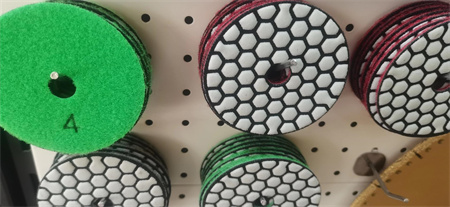
From here, the next step is getting the products into stores. Distribution centers play a pivotal role in the logistics chain. In fact, they act as the vital link between the manufacturer and the hardware stores. These centers store large quantities of products before they are shipped to various outlets, ensuring that stores always have the right stock on hand.
Hardware stores often rely on a just-in-time (JIT) inventory system, which means they don’t keep large quantities of items on the shelves at all times. Instead, they depend on quick restocks and efficient supply chains to meet consumer demand. For diamond polishing pads, this is especially crucial. Since these products are specialized, there can be an ebb and flow of demand based on seasonality or market trends. Suppliers and stores need to stay in close communication to anticipate needs and avoid shortages.
The importance of a well-oiled supply chain becomes even more evident when we think about the impact of disruptions. Whether it’s a weather delay, production hiccup, or transportation issue, hardware stores are vulnerable to these problems. That’s why many businesses are constantly exploring ways to make their supply chains more resilient—investing in technology, improving supplier relationships, and diversifying their transportation networks.
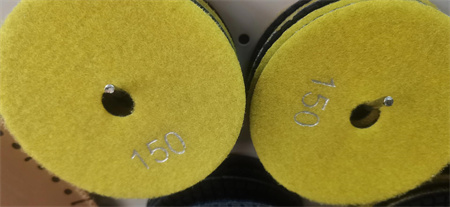
Understanding the supply chain behind diamond polishing pads helps consumers appreciate the complexity and precision that goes into delivering the right product to the right place at the right time. The next time you walk into a hardware store to grab a diamond polishing pad, you’ll know that behind that product lies a network of careful planning and execution that makes it all possible.